Why 'Rocket Man' Feels So Human
The meaning of Rocket Man (I Think It's Going To Be A Long, Long Time) Elton John starts with a simple idea: this is not really a song about space travel being exciting. It is a song about work, distance, and the sadness of being needed somewhere far from home.
"Rocket Man (I Think It's Going To Be A Long, Long Time)" - Elton John
Zero hour, 9 AM
And I'm gonna be high as a kite by then
Loading lyrics...
Unable to load lyrics
We're unable to display the lyrics at this time. Please try again later.
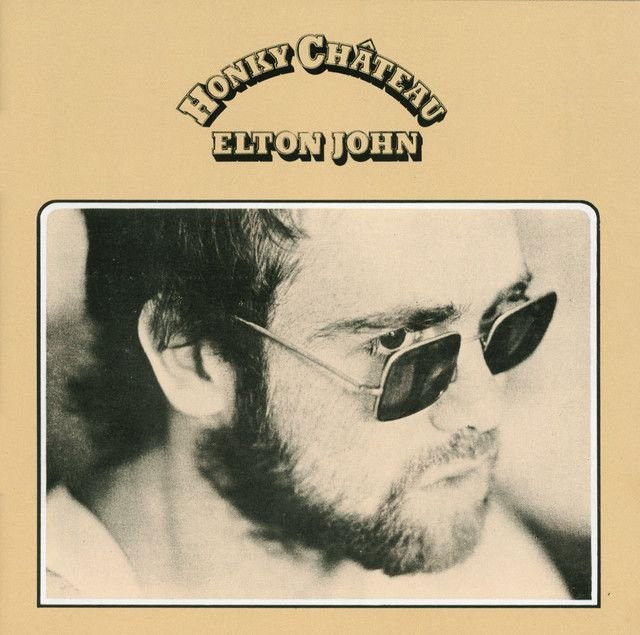
Released in 1972 on Honky Château, the song was written by Elton John and Bernie Taupin and produced by Gus Dudgeon. It became a major hit, reaching No. 2 in the UK and No. 6 on the US Billboard Hot 100. That success matters because listeners heard something deeper than a sci-fi story: they heard a modern worker's loneliness.
A Space Song About Ordinary Life
On the surface, the narrator is an astronaut heading to Mars. But the details make the trip feel routine, almost like catching a flight for work. The opening lines do not sound heroic. They sound tired, practical, and domestic.
That is the key to the song's power. Instead of treating the astronaut as a larger-than-life explorer, it treats them like a person with a spouse, a schedule, and a job they must do whether they feel ready or not.
Interpretation: the song suggests that even the most amazing careers can become normal from the inside. What looks glamorous from far away may feel lonely up close.

Watch the official Rocket Man (I Think It's Going To Be A Long, Long Time)
music video
The Chorus Turns Wonder Into Isolation
The chorus gives the song its emotional center. When the singer says long, long time
, the phrase stretches the feeling of separation. Time becomes heavy. Distance becomes emotional, not just physical.
The most important confession is I'm not the man
. In plain terms, the narrator feels misunderstood by people at home. They may see a strong professional, maybe even a hero. But inside, he feels detached, exhausted, and alone.
That is why rocket man
is not a proud title here. It sounds more like a role he has been assigned. He is the person who leaves, the person who works far away, the person who pays for achievement with isolation.
It's lonely out in space
On such a timeless flight
Those two short lines state the song's emotional truth very clearly. Space is not thrilling here. It is empty, slow, and cut off from normal life.
Images That Build the Meaning
Several lines sharpen that feeling. Early on, the narrator admits I miss the earth
. That is more than homesickness. Earth stands for warmth, family, routine, and human contact.
Later, Mars is described as no place to raise children. The point is not only that Mars is harsh. It is that the narrator knows this life is hard to connect with ordinary family life. The song contrasts domestic hopes with a job that keeps pulling him away.
Another striking moment is the line about science being hard to understand and the work being just a weekly duty. That idea strips away the romance of space travel. The astronaut is not presented as a grand symbol of progress. He is a worker doing specialized labor, possibly without even feeling deeply connected to its bigger purpose.
Interpretation: this is one reason the song still lands today. Americans can hear it as a story about business travel, military service, touring, offshore work, or any career that creates emotional distance at home.
Bernie Taupin's Idea and the Song's Context
There is useful context behind the lyric. According to reporting collected in the song's Wikipedia entry, Bernie Taupin drew inspiration from Ray Bradbury's short story "The Rocket Man," especially the idea that astronauts in the future might become ordinary workers rather than mythic heroes.
That backstory supports what the lyric already shows. The song is not mainly about science fiction details. It is about what happens when something once seen as extraordinary becomes another demanding job.
Some listeners also connect it to the emotional life of a performer. That reading makes sense, but it should be labeled carefully. Interpretation: the astronaut can stand in for any public figure who seems glamorous but feels isolated. Still, the clearest factual inspiration is Bradbury, not a direct autobiography.
How the Sound Carries the Emotion
The arrangement is a huge part of the meaning. Elton John's piano gives the song a grounded, human center. Around it, the synthesizer adds a floating atmosphere, while slide guitar and soft backing vocals make the track feel wide and weightless.
That blend matters. The piano feels like Earth; the surrounding textures feel like drifting away from it. The production never becomes harsh or explosive. Instead, it moves with a calm, suspended feeling, which matches the emotional numbness in the lyric.
Elton's vocal also avoids big theatrical excess for much of the song. They sing with control and sadness, making the narrator sound resigned rather than adventurous. That choice keeps the song intimate.
Why the Song Endures
Part of the reason "Rocket Man" lasts is that it balances the personal and the universal. It is specific enough to be memorable, yet broad enough for many listeners to see themselves in it.
It also arrived in the early 1970s, when the space age still felt culturally powerful. But instead of celebrating conquest and technology, the song quietly asked what that future might cost a person emotionally.
That is why the meaning of Rocket Man (I Think It's Going To Be A Long, Long Time) Elton John still feels current. Beneath the cosmic imagery, it tells a familiar story: people can be admired for what they do and still feel deeply alone while doing it.
Final Take
"Rocket Man" is about the gap between public image and private feeling. Its astronaut is not just traveling through space. They are living with distance, duty, and the ache of being separated from the life that makes them feel human.
That is the beauty of the song. It makes a huge setting feel painfully personal.
Disclaimer: Song meaning can be subjective. Interpretations above separate documented context from informed reading of the lyrics and music.








