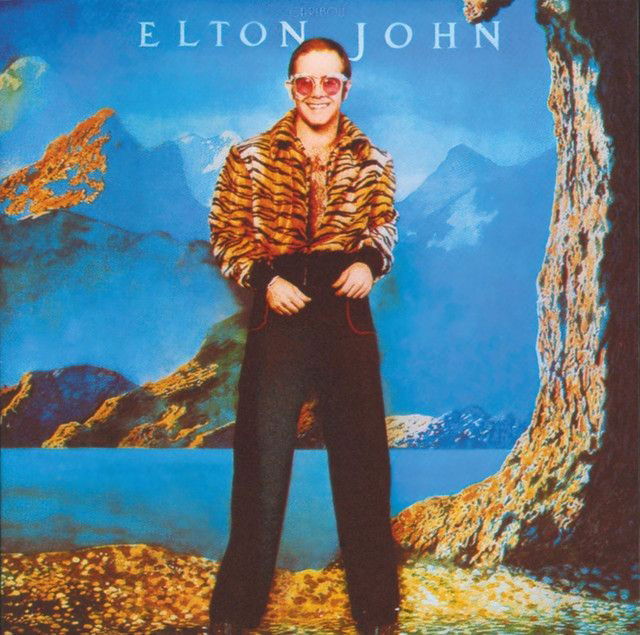
Why Elton John Turned Bad Behavior Into Theater
The Fast Answer Behind the Swagger
When people search for the meaning of The Bitch Is Back Elton John, the simplest answer is this: it is a loud, funny, self-aware song about attitude. Rather than deny a reputation for being moody, demanding, or dramatic, Elton John and lyricist Bernie Taupin turn that image into a performance.
"The Bitch Is Back" - Elton John
Raisin' Cain
I spit in your eye
Loading lyrics...
Unable to load lyrics
We're unable to display the lyrics at this time. Please try again later.
The song appeared on Caribou in 1974, with Taupin writing the lyrics and Elton composing the music. It was released as a single later that year and became a major hit, reaching No. 4 on the US Billboard Hot 100 and No. 15 in the UK, according to widely cited chart summaries and reference data. It also became one of Elton's best-known character songs.
Factual context matters here. Taupin reportedly got the title phrase from Maxine Feibelman, who would say the line when Elton was in a bad mood. Elton later called it kind of my theme song
. That origin story supports the idea that the track is less an attack on someone else and more a comic self-portrait.
Watch the official The Bitch Is Back
music video
A Persona Song, Not a Confession Booth
The narrator talks like a menace, but the song works because the exaggeration feels intentional. Lines about breaking rules, acting superior, and causing trouble build a cartoon version of celebrity arrogance. The hook, the bitch is back
, sounds like an entrance line. They are not quietly revealing their feelings; they are kicking the door open.
That is why the song feels playful even when it sounds rude. The verses pile on behavior that is obnoxious, reckless, and absurd. The effect is closer to satire than diary writing. Interpretation: the song suggests that if the public is going to treat Elton like a diva, he might as well play the part bigger and louder than anyone expects.
This also fits a concert comment often cited from 1974, where Elton introduced it as a song mainly about himself. That frames the whole track as self-directed theater rather than literal boasting.
How the Verses Build the Joke
The opening reaches back to childhood with Raisin' Cain
, then jumps to adult rebellion. That move tells listeners this temperament is not new; it is part of the character's whole identity. The song then races through bad manners, social snobbery, and chemical excess, but always with a wink.
One of the smartest details is the claim stone cold sober
in the chorus, set against verses full of chaos. That contradiction makes the narrator less reliable and more entertaining. They are trying to sound in control while clearly enjoying the mess.
I'm a bitch, I'm a bitch
Oh, the bitch is back
That short refrain is the song's mission statement. It strips the whole idea down to identity as spectacle. The character is rude, but also magnetic. They know it, and they want the room to know it too.
Sound First, Meaning Second
The production is a huge part of why the song lands. Recorded at Caribou Ranch in Colorado for the 1974 album Caribou, the track moves with hard-rock force but also a glam and R&B shine. Davey Johnstone's guitar riff gives it bite right away, while Elton's piano keeps it driving instead of sloppy.
Then come the horns from Tower of Power, which add punch and swagger. Their clipped, tight style makes the song feel like it is strutting. Instead of softening the edge, the brass turns the character's attitude into something almost celebratory. Dusty Springfield also appears among the backing vocalists on the studio version, which adds more texture to the chorus.
Elton's vocal matters just as much. He does not sing this as wounded or reflective. He snarls it, pushes it, and almost laughs through parts of it. That delivery tells listeners they are hearing performance art as much as confession. The music says: this person is impossible, but also impossible to ignore.
Why the Song Shocked in 1974
Part of the song's cultural power came from its title. In 1974, many US radio stations were uneasy about airing a hit single with the word bitch
in the title. Some stations refused to play it or tried to edit around it. Even so, the song still became a Top 5 US hit.
That controversy sharpened its message. A song about bad behavior became a test case for how much attitude pop radio could handle. The title was provocative, but the larger reason it lasted is that the provocation had personality behind it.
The song also carried a kind of camp energy. Some critics and listeners later heard it as more than just celebrity parody: a performance of gender play, theatricality, and identity. Interpretation: because Elton often embraced flamboyance before publicly coming out in 1976, some audiences heard the song as a wink as well as a joke. Still, that reading should stay in the realm of interpretation, not fact.
The Core Meaning That Endures
At heart, this is a song about reclaiming a label by turning it into power. The narrator takes an insult and wears it like a costume. Instead of apologizing for being difficult, they make difficulty part of the show.
That is why the meaning of The Bitch Is Back Elton John still feels fresh. It is about ego, yes, but it is also about control. If fame turns a person into a public character, this song answers by grabbing the script.
Final Take
The track lasts because it balances three things at once: self-mockery, rock-star bravado, and irresistible sound. They turn a bad mood into entertainment and a sharp phrase into a lasting persona.
Disclaimer: Song meaning is always part fact and part interpretation. This reading separates documented background from critical inference, and other listeners may hear the song differently.








