The Meaning of 'Tiny Dancer' by Elton John
The meaning of Tiny Dancer Elton John has stayed powerful for decades because it blends vivid street images with a private, whispered plea. Listeners feel both the wide-open California scene and the calm center of a relationship. The song lives where spectacle meets tenderness.
"Tiny Dancer" - Elton John
Pretty eyed, pirate smile, you'll marry a music man
Ballerina, you must've seen her dancing in the sand
Loading lyrics...
Unable to load lyrics
We're unable to display the lyrics at this time. Please try again later.
A Sunlit Portrait Behind the Name
Bernie Taupin wrote the lyrics after arriving in California in 1970. He has linked the character to the women he met there and to Maxine Feibelman, his then-partner, who traveled with the band. That backstory explains details like blue jean baby
and seamstress for the band
—everyday markers of a working life around music, not distant glamour.
The portrait feels affectionate and specific. He notes a pirate smile
, a playful turn of face that hints at independence. These quick snapshots build a realistic muse: not a fantasy, but a person who moves through studios, theaters, and late-night drives.
Watch the official Tiny Dancer
music video
Street Scenes and Stage Lights
The second verse widens the camera. Countercultural religion appears in Jesus freaks
, a sign of early-’70s L.A., while a piano man
holds court in the hall. She drifts between them—watching, humming—neither saint nor star, but part of the ecosystem that makes music possible.
Interpretation: These fragments show the pressures and promises of the era. Spiritual seekers hand out flyers on the boulevard; performers grind through shows; the muse absorbs it all. Her steady presence lets the narrator make sense of the noise.
The Chorus as Quiet Refuge
After those busy scenes, the hook relaxes into intimacy. The narrator whispers what he needs, trusting she alone can hear. The words sound like a lullaby for grown-ups who’ve had a long day in public.
Hold me closer, tiny dancer
Count the headlights on the highway
Interpretation: The request isn’t flashy. It’s about closeness and a small, grounding ritual during a night drive. Counting lights turns a lonely road into a shared rhythm, suggesting tour life softened by companionship.
Symbols That Do the Heavy Lifting
Blue jean baby
: Everyday style; she’s practical, not polished for the spotlight.Ballerina
and “dancing in the sand”: Grace meeting nature—art brought back to earth.- Headlights on the highway: Motion, distance, and repetition; a touring loop that can lull or isolate.
- Linen sheets: Domestic ease, the body finally at rest.
- The boulevard and auditorium: Public arenas where belief and business jostle.
Together, these images carry the meaning of Tiny Dancer Elton John: a love story shaped by the road, the scene, and the simple rituals that hold two people together.
How the Sound Tells the Story
Elton John’s rolling piano sets a conversational pace, almost like a fond recollection that gathers steam. Producer Gus Dudgeon lets the arrangement open slowly: first voice and keys, then Paul Buckmaster’s strings bloom around the melody. B. J. Cole’s pedal steel adds a daylight shimmer, tying the story to wide American horizons.
By the time the chorus arrives, stacked harmonies and fuller instrumentation enlarge the feeling without breaking its intimacy. This lift mirrors the lyrics’ move from scattered imagery to one focused wish. The music makes the private moment feel big enough for an arena singalong, yet it still whispers.
Who’s Speaking—and to Whom?
The verses watch her from slight distance, but the chorus addresses “you” directly. The narrator is a touring musician asking his partner for closeness at day’s end. Shifting from observer to lover lets the song be both public diary and private note.
Interpretation: The line about someone being “in my hand” can play two ways—holding her hand, or holding the song she inspires. Either way, she’s the steadying force he carries.
Alternate Readings That Fit
- Muse-as-person: A direct love song to Maxine and, by extension, to women who kept the shows—and the boys—stitched together.
- Muse-as-art: The “tiny dancer” as the delicate craft in his hands; he holds the music close to survive the grind. Both readings explain why the chorus feels like shelter rather than fireworks.
From Album Gem to Crowd Singalong
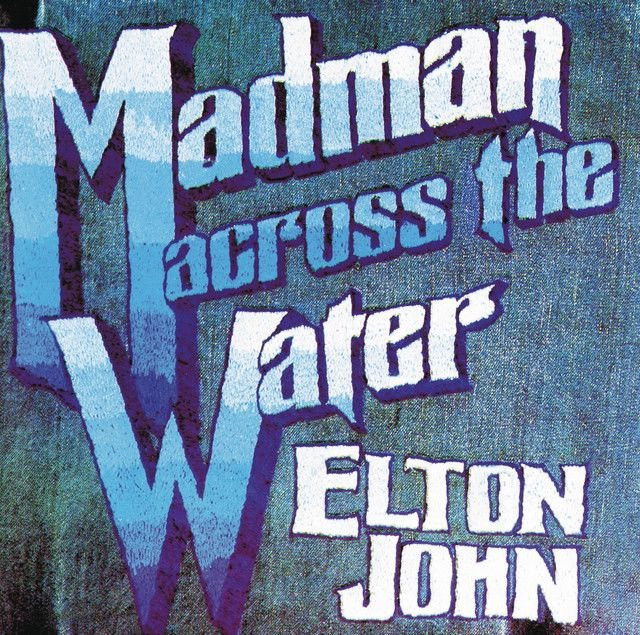
Tiny Dancer first appeared on Madman Across the Water (1971). Years later, a memorable bus scene in a popular film turned it into a communal anthem, cementing its place in American pop culture. The song now lives at festivals and in arenas as a warm, collective hush before the final chorus roars.
Takeaway
In fewer than six minutes, Tiny Dancer captures a time, a city, and a relationship. It pairs street mosaics with a private embrace, making the road feel less lonely. That balance—public color and personal calm—is the lasting meaning of Tiny Dancer Elton John.
Disclaimer: Song meanings are interpretive. This article blends reported context with critical analysis; individual readings may vary.
Sources
- https://en.wikipedia.org/wiki/Tiny_Dancer
- https://en.wikipedia.org/wiki/Madman_Across_the_Water
- https://www.npr.org/2023/09/11/1198829095/bernie-taupin-interview-scattershot
- https://www.riaa.com/gold-platinum/?tab_active=default-award&se=tiny+dancer#search_section
- https://www.rollingstone.com/movies/movie-features/almost-famous-oral-history-106862/









