Why 'Your Song' Still Feels So Personal
The meaning of Your Song Elton John is simple to hear and surprisingly hard to outgrow. It is a love song, but not the flashy kind. Instead, it captures the awkward, sincere moment when someone tries to give another person the most honest thing they have.
"Your Song" - Elton John
I'm not one of those who can easily hide
I don't have much money but, boy if I did
Loading lyrics...
Unable to load lyrics
We're unable to display the lyrics at this time. Please try again later.
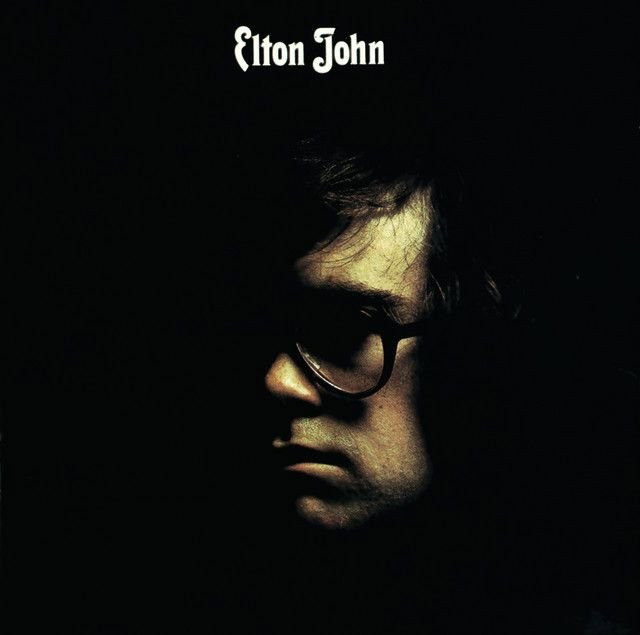
Released on Elton John's 1970 self-titled album, the track was written by Bernie Taupin and composed by Elton John, a partnership that would become one of pop music's most important collaborations. According to the Rock & Roll Hall of Fame and Britannica, the song helped establish Elton John as a major artist in the early 1970s.
A Love Song Built on Humility
What makes this song stand out is its lack of ego. The narrator does not promise luxury or drama. Early lines admit they are not rich and cannot offer much in material terms. That matters, because the song frames love as an act of truthful self-revelation, not performance.
The key emotional turn comes when the narrator presents art itself as the gift. In the brief phrase my gift is my song
, they admit their limits while also offering something deeply personal. The song says: they may not have money, status, or perfect words, but they can still make something meaningful for the person they love.
This is why the chorus lands so strongly. When they say this is your song
, the gesture feels intimate rather than possessive. It is less about claiming romance and more about dedicating feeling.

Watch the official Your Song
music video
How the Lyrics Show Nervous Honesty
One reason listeners connect with the song is that it sounds a little embarrassed by its own feelings. The opening phrase It's a little bit funny
does not sound polished or dramatic. It sounds like someone blurting out the truth before they have fully organized it.
That uncertainty continues throughout the lyric. The narrator imagines impossible or quirky versions of themselves, then pulls back. They correct themselves, lose track of details, and circle around what they really mean. In plain terms, the lyric acts like a real confession: messy, hesitant, and sincere.
A good example is the repeated apology I hope you don't mind
. Paraphrased, the narrator worries the gesture may seem too plain or too vulnerable. That repetition turns the song into more than a declaration of love. It becomes a portrait of someone hoping their feelings will be accepted.
The Heart of the Chorus
The emotional center of the track is the idea that life feels brighter because this person exists. The song does not build to a twist. It builds to clarity.
How wonderful life iswhile you're in the world
This is the closest the lyric gets to a grand statement, and it works because everything before it has been modest. After all the uncertainty, the narrator finally says the one thing they know for sure: the beloved changes how the world feels.
Interpretation: Many listeners hear this as romantic devotion, but it can also be heard more broadly as gratitude. The song suggests that love sharpens attention. Ordinary life looks better when seen through affection.
Why the Small Details Matter
The lyric includes odd, memorable images: rooftops, moss, mixed-up colors, and improvised thoughts. These details make the song feel lived-in rather than generic. Even the line about forgetting whether something is green or blue
shows a mind distracted by feeling.
That is part of the craft. Bernie Taupin's writing does not describe the beloved in long, idealized terms. Instead, he uses small slips and stray images to show the speaker's state of mind. They are not cool and composed. They are overwhelmed.
Interpretation: Those little mistakes may be the point. Love here is not eloquence. It is emotional disarray made tender.
How Elton John's Music Carries the Meaning
The arrangement is just as important as the lyric. Elton John's piano leads the track with a gentle, almost conversational style. The melody rises carefully, matching the narrator's growing confidence. By the time the chorus opens up, the song sounds fuller and warmer, as if the confession has finally found its shape.
Producer Gus Dudgeon helped craft the recording on Elton John, and orchestral touches give it lift without overwhelming its intimacy. Biographical and discography sources such as AllMusic and the GRAMMYs note the song's importance in Elton John's breakthrough period. The production matters because it keeps the performance delicate. The music never turns the love into spectacle.
Elton John's vocal is also crucial. They sing with restraint, not showiness. That choice keeps the narrator believable. The voice sounds close, almost private, which fits a song built around direct emotional offering.
A Breakthrough Song With Lasting Reach
Part of the reason the meaning of Your Song Elton John remains powerful is cultural context. In an era full of big pop statements, this song offered softness. It became one of Elton John's signature recordings and has since been covered by many artists, which speaks to how adaptable its emotional core is.
Its appeal crosses generations because nearly everyone understands the feeling behind it: wanting to say something beautiful to someone and fearing it will come out imperfectly. This song turns that imperfection into its charm.
Final Take on Its Enduring Message
In the end, the song is about love made believable through modesty. It says that a simple, handmade expression can mean more than any extravagant promise. The narrator does not try to impress; they try to tell the truth.
That is why the song still works. It treats vulnerability not as weakness, but as the most generous gift a person can give.
Disclaimer: This interpretation combines widely known factual context with critical reading of the lyrics and performance. As with any song, listeners may hear meanings that differ from this one.








