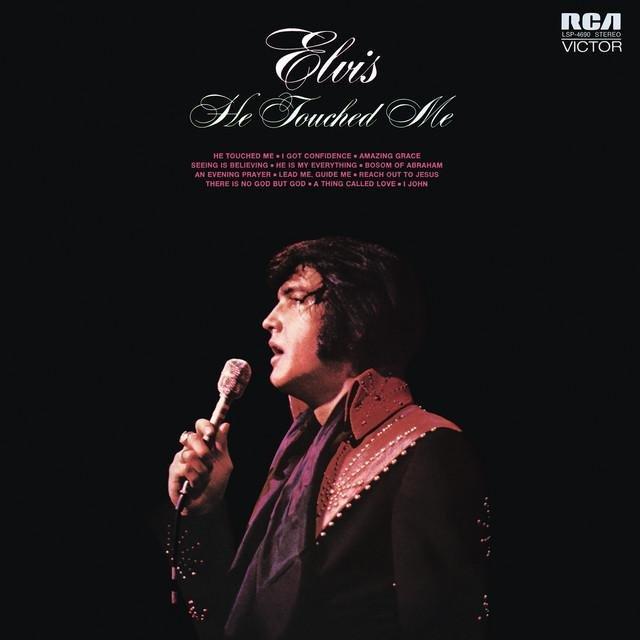
Why Elvis's 'Amazing Grace' Still Comforts
The meaning of Amazing Grace Elvis Presley starts with a simple idea: a person looks back on a life marked by failure, danger, and spiritual confusion, then gives credit to grace for rescue, clarity, and hope. Even though Elvis Presley did not write the hymn, his recording helped bring its message to a wide popular audience in the United States.
"Amazing Grace" - Elvis Presley
That saved a wretch like me
I once was lost, oh, but now, now I'm found
Loading lyrics...
Unable to load lyrics
We're unable to display the lyrics at this time. Please try again later.
Factually, “Amazing Grace” was written by John Newton and published in 1779. It later became most widely known with the tune “New Britain,” a pairing that spread strongly in the U.S. during the 19th century. It is also one of the most recorded songs in modern music history, with thousands of versions and a deep place in American religious and public life.
A Hymn About Rescue, Not Perfection
At the center of the song is a testimony. The speaker admits they were broken and did not save themselves. The famous opening, sweet the sound
, does not just praise beauty. It suggests relief. Grace sounds “sweet” because it arrives after guilt, fear, and struggle.
That is why the next images matter so much. The song says a person was lost
and then found
, once blind
and now able to see. In plain terms, the hymn turns spiritual change into physical images anyone can understand. Being lost means living without direction. Blindness means not fully grasping truth, purpose, or mercy.
Interpretation: In Elvis Presley’s version, those lines feel less like doctrine and more like lived experience. They sound personal, as if the singer is not arguing a point but confessing something real.

Watch the official Amazing Grace
music video
Why Elvis Was Drawn to It
Elvis grew up surrounded by gospel music, and that background shaped his whole career. He recorded several gospel projects and won Grammy Awards only in gospel categories, a sign of how seriously he took the style. His version of “Amazing Grace” appeared during a period when he was also returning often to spiritual material in the studio and onstage.
That context matters. Elvis was a global star, but gospel gave him a space where performance could become devotion. On “Amazing Grace,” they do not sound interested in spectacle. They sound focused on humility.
The Story Inside the Verses
The lyric unfolds like a short spiritual memoir:
- A damaged person remembers being changed.
- They look back on hardship and survival.
- They trust that the same grace will carry them forward.
- The final vision opens toward eternity and praise.
The line about dangers, toils and snares
broadens the song beyond one conversion moment. It says grace is not only for the past. It continues through daily struggle.
When we've been there ten thousand years
Bright shining as the sun
That brief closing image shifts the song from survival to forever. It imagines hope beyond death, which helps explain why the hymn is often sung at funerals and memorials as well as in church.
How the Music Deepens the Meaning
Elvis Presley’s recording works because it is patient. The arrangement leans on gospel tradition rather than pop drama. The tempo is unhurried, the harmony is warm, and the performance gives space to each phrase.
That matters for meaning. A faster or more theatrical reading could turn the hymn into a showpiece. Elvis instead lets it breathe. The calm pacing makes the words feel meditative. The supporting voices and gentle instrumental frame create a communal feeling, as though the song belongs to a congregation, not just a celebrity.
Interpretation: The production underlines surrender. Instead of pushing forward with tension, the track settles into trust.
The Bigger American Context
Part of the meaning of Amazing Grace Elvis Presley comes from the hymn’s place in American culture. “Amazing Grace” grew especially powerful in the U.S. through revival movements and shape-note singing, and it later crossed into secular life through recordings, public ceremonies, and protest settings.
It has been sung in churches, at gravesides, during national mourning, and in moments of social struggle. That wide use gives Elvis’s version extra resonance. Listeners may hear it as a Christian confession, but they may also hear a broader message about surviving pain and reaching peace.
This also explains why the song travels so well across genres. Its language is plain, its melody is memorable, and its emotional arc moves from shame to comfort without becoming complicated.
Two Strong Ways to Read Elvis's Version
A direct spiritual testimony
The clearest reading is Christian. The song says human beings cannot earn salvation and must receive grace as a gift. In that sense, words like wretch like me
point to humility before God, not self-hatred for its own sake.
A universal song of recovery
There is also a broader reading. Even outside church, many listeners hear the hymn as a song about coming through grief, addiction, fear, or regret. The movement from darkness to sight is flexible enough to hold many kinds of healing.
Elvis’s emotional delivery supports both readings at once. They sound reverent enough for worship, but open enough for anyone who has needed mercy.
Why It Still Lasts
The song lasts because it is honest. It does not pretend life is easy. It speaks of danger, confusion, and unearned help. Then it answers those realities with hope.
For Elvis Presley, that honesty was a natural fit. Their version does not try to improve a classic by overcomplicating it. It simply trusts the material and sings it with care. That is why the performance still comforts listeners decades later.
Disclaimer: This article offers interpretation alongside basic historical context. Meaning can vary by listener, performance, and faith background.








