Why Elvis Made “Any Day Now” Hurt More
The meaning of Any Day Now Elvis Presley version is simple on the surface and devastating underneath: they sing from the point of view of someone who already knows love is ending, yet cannot stop hoping for one more day. It is not a breakup song in the usual sense. The split has not happened yet. Instead, the song lives in the tense space before goodbye, where fear, denial, and attachment all mix together.
"Any Day Now" - Elvis Presley
I will hear you say
Goodbye, my love
Loading lyrics...
Unable to load lyrics
We're unable to display the lyrics at this time. Please try again later.
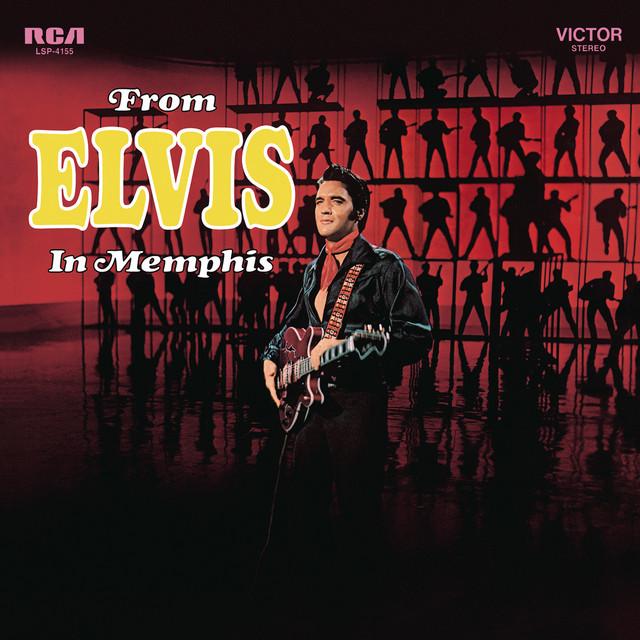
Written by Burt Bacharach and Bob Hilliard in 1962, the song was first a hit for Chuck Jackson. Elvis Presley recorded it on February 20, 1969, at American Sound Studio in Memphis, and it appeared on From Elvis in Memphis. It was also released as the B-side of In the Ghetto
, a major U.S. hit. Those facts are widely documented in reference sources on the song and Elvis’s 1969 sessions.
A Love Story Already Falling Apart
At its core, the song is about emotional anticipation. The narrator is not shocked by loss. They expect it. From the opening idea, the singer imagines the partner saying goodbye and leaving for good. That makes the whole lyric feel like a countdown.
The repeated phrase Any day now
matters because it turns heartbreak into something scheduled, almost like a clock ticking down. The singer sees signs everywhere: wandering attention, distance in the eyes, and the sense that someone new may soon replace them.
Interpretation: This is why the song feels more painful than a standard breakup ballad. The narrator is suffering twice—once in the present through anxiety, and again in the future through the loss they believe is coming.

Watch the official Any Day Now
music video
The Real Emotional Hook Is Powerlessness
One of the strongest ideas in the lyric is that love cannot be forced. The singer admits, in essence, that they should not try to hold on if the other person no longer wants to stay. But they do it anyway.
That contradiction gives the song its heart. They know the relationship is weak, yet they keep clinging to it. Short phrases like holding on
and begging you to stay
show a person caught between dignity and desperation.
This makes the song less about jealousy than dependence. The partner is not painted as evil. Instead, the narrator sounds wounded because they still love someone whose feelings may already be gone.
The Bird and the Shadow: Two Key Images
The most memorable symbol is the lover as a beautiful bird
. The image is gentle, admiring, and sad at the same time. Birds are lovely, but they are hard to keep. If they are restless, they fly.
Interpretation: By using that image, the song suggests that love cannot survive through possession. The narrator may want stability, but the partner represents motion, freedom, and escape.
The second major image is the blue shadow
that falls over town after the breakup. This is not just private sadness. It makes grief feel large enough to color the whole world. The town does not literally change, of course, but the singer’s mood changes how everything looks.
Then my tears will flow
Then the blue shadow
Even in these brief lines, the lyric links personal crying with a wider emotional darkness. That is classic pop writing: small details carrying a larger feeling.
Why Elvis Presley’s Version Lands So Well
Elvis recorded the song during the same fertile 1969 period that produced From Elvis in Memphis, one of the strongest albums of his career. Those American Sound sessions helped reconnect him with soul, country, and modern pop after years of soundtrack work.
In that setting, Any Day Now
fits perfectly. Elvis does not oversing it. They keep the performance controlled, which makes the worry feel real. Instead of turning the song into a huge dramatic plea, they sound like someone trying to stay calm while bracing for pain.
That restraint suits a Bacharach song. Bacharach’s writing often depends on tension between smooth melody and uneasy emotion. Even when the arrangement feels polished, the feeling underneath is unstable.
How the Sound Supports the Meaning
The production helps sell the song’s emotional balance. The groove is steady, not chaotic. The instrumentation carries a soul-pop warmth, but it never becomes comforting enough to erase the lyric’s dread.
That contrast is important. If the backing were too dark, the song might feel heavy-handed. If it were too cheerful, the message would not land. Instead, Elvis’s version sits in the middle: graceful, polished, and quietly aching.
Interpretation: That musical control mirrors the narrator’s behavior. They are not falling apart in public yet. They are trying to hold themselves together while privately expecting the worst.
A Bigger Place in Pop History
The song’s long afterlife also says something about its theme. It has been recorded by artists across R&B, pop, soul, and country, including Chuck Jackson, Scott Walker, and Ronnie Milsap. That range makes sense because the core emotion is universal: the fear of losing someone before they are actually gone.
Elvis’s reading stands out because he brings maturity to it. In their hands, the song is not teenage melodrama. It sounds like an adult recognizing that love can fade even when affection remains.
What the Song Ultimately Means
So, the meaning of Any Day Now Elvis Presley version is not only about breakup. It is about waiting for heartbreak, reading signs of abandonment, and loving someone enough to know they may leave. The song hurts because the narrator understands the truth before the final moment arrives.
That is what makes it memorable. It captures the lonely stretch between suspicion and certainty, when a relationship still exists but already feels haunted.
Disclaimer: This interpretation separates documented facts about the song’s writers, recording, and release from critical reading of its lyrics and emotional themes. Meaning can vary from listener to listener.







