Why Elvis's 'Baby, Let's Play House' Feels Uneasy
The meaning of Baby, Let's Play House Elvis Presley becomes clearer when listeners look past the catchy beat. On the surface, it sounds like a simple call for a lover to come back. Underneath, it is a song about desire, control, and a fantasy of home that quickly turns possessive.
"Baby, Let's Play House" - Elvis Presley
Baby, baby baby, be-be-be-be-be-be baby baby, baby
Baby baby baby
Loading lyrics...
Unable to load lyrics
We're unable to display the lyrics at this time. Please try again later.
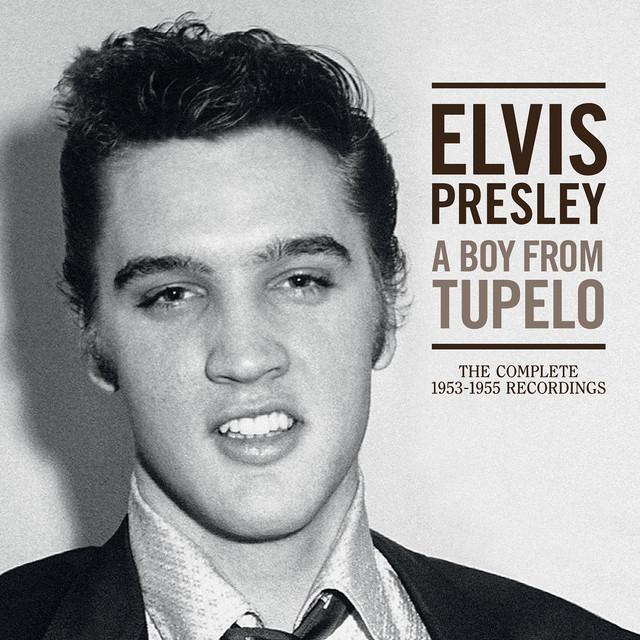
Elvis Presley recorded the song for Sun Records in February 1955, and it was released that April. It was written by Arthur Gunter, who had first recorded it in 1954. Elvis's version became his first national chart hit, reaching No. 5 on the Billboard Country chart, a key step in his rise from regional act to national star.
A Love Plea With a Dark Edge
At its core, the song is about a narrator who wants a partner back. They keep repeating the request to come back, baby
, and that repetition matters. It does not sound calm or patient. It sounds urgent, needy, and increasingly demanding.
The phrase play house with you
gives the song its central image. In plain terms, they are not just asking for a date or reunion. They are imagining a version of domestic life, a little world where the relationship is restored and the roles are set.
Interpretation: That fantasy is important because it mixes romance with ownership. The singer is not simply saying they miss someone. They are asking them to return and fit back into a shared script.
Watch the official Baby, Let's Play House
music video
What "Play House" Really Suggests
In 1950s language, "play house" could mean pretending to be grown-up lovers, acting married, or building a home-like bond. That sounds sweet at first. But this song keeps pushing the phrase until it feels less playful.
The verses suggest that the woman may chase status, education, or freedom. The line about pink Cadillac
adds swagger and modern style. According to reference histories of the song, Elvis changed Arthur Gunter's original wording and inserted that car image, likely reflecting his own rising image and the flashy symbols tied to 1950s success.
That detail matters because it places the song between two worlds: domestic stability and restless ambition. The narrator seems to say that school, status, or glamour do not matter as much as returning to him.
The Most Troubling Line in the Song
The song's meaning shifts sharply at its darkest lyric:
I'd rather see you dead
than to be with another man
Before and after that moment, the song can sound like a heated plea. Here, it becomes possessive in a way that many modern listeners find disturbing. This is not subtle jealousy. It is an extreme statement of control.
Interpretation: That line reveals the real emotional engine of the song. The narrator does not just want love back. They cannot tolerate the idea of the woman choosing someone else.
It is also one reason the track has remained culturally notable. A version of that same idea later appeared in the Beatles' Run for Your Life, after John Lennon borrowed it from this song's lyric history.
How Elvis's Performance Changes the Words
One reason the song still works is the tension between sound and message. Elvis opens with the hook rather than easing into the story. That choice, noted in standard song histories, throws listeners straight into the demand.
The recording is lean and fast. Elvis sings lead and plays acoustic rhythm guitar, while Scotty Moore adds sharp electric lead lines and Bill Black drives the track with double bass. That stripped-down Sun sound is a major part of early rockabilly: quick, physical, and slightly unruly.
The beat sells excitement, not safety
The music almost laughs off the darkness. The band swings, Elvis hiccups and bounces through the phrasing, and the performance gives the song a flirtatious charge. That is why the lyrics can sneak up on listeners.
Interpretation: The arrangement turns emotional threat into kinetic excitement. Instead of sounding reflective or sad, the singer sounds energized by desire and jealousy.
Why the Song Mattered in Elvis's Early Career
This was Elvis Presley's fourth Sun single, with I'm Left, You're Right, She's Gone as the B-side. Historically, it mattered because it helped define the blend that made him famous: country roots, blues feeling, and teenage electricity.
It also shows how Elvis could take an existing rhythm-and-blues song and reshape it through phrasing, attitude, and timing. Arthur Gunter's original is essential to the song's history, but Elvis's cover sharpened the sexual tension and made the track feel more volatile.
A song about power as much as romance
For American listeners in 1955, that edge was part of the appeal. Elvis sounded young, rebellious, and physical. The performance captured a new kind of pop energy, even when the words carried troubling ideas about love and possession.
That is the lasting answer to the meaning of Baby, Let's Play House Elvis Presley: it is a song where home is not really about comfort. It is about longing, control, and the fear of losing someone.
Final Take on Its Meaning Today
Today, many listeners hear two songs at once. One is a landmark rockabilly performance. The other is a jealous monologue hiding inside a catchy hook.
Both readings matter. Factually, it is a key early Elvis hit and a major Sun Records recording. Interpretation: emotionally, it is less a love song than a warning about how quickly desire can become possession.
Disclaimer: This interpretation is based on the released lyrics, performance, and historical context. Like all song analysis, some meanings remain open to listener perspective.







