Why Elvis's 'Blue Moon' Feels So Lonely
For many listeners, the meaning of Blue Moon Elvis Presley comes down to one striking contrast: the song is simple on paper, but deeply eerie in performance. Elvis Presley takes a well-known standard and turns it into something almost ghostlike. Instead of sounding warm and romantic, this version feels suspended in the night.
"Blue Moon" - Elvis Presley
You saw me standing alone
Without a dream in my heart
Loading lyrics...
Unable to load lyrics
We're unable to display the lyrics at this time. Please try again later.
That matters because the lyric itself is about emotional absence. The singer is alone, without direction, and waiting for love to appear. Elvis does not oversell that feeling. They let the empty space around the vocal do much of the work.
A Standard Song, Recast in Early Rock Shadow
Blue Moon
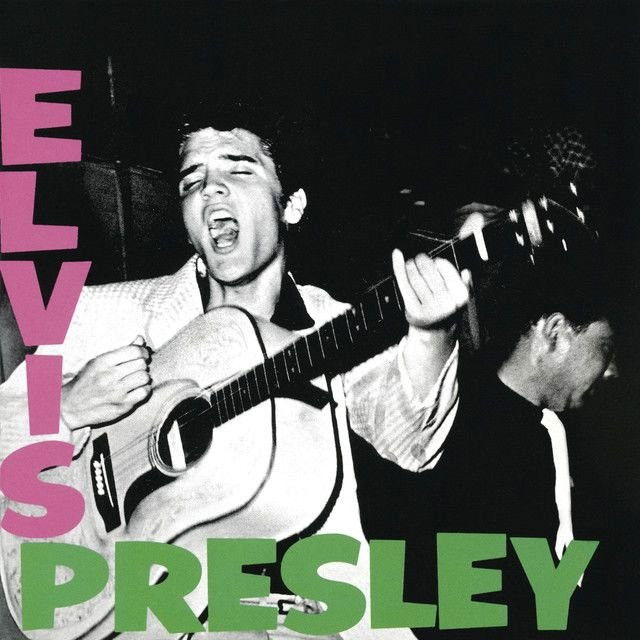
was written by Richard Rodgers and Lorenz Hart in 1934, after earlier lyric versions were reworked into the form that became the famous standard. It later became one of the most covered songs in American popular music. Elvis recorded his version on August 19, 1954, at Sun Studio with producer Sam Phillips, and it was later issued on the 1956 album Elvis Presley and as a 1956 single, according to the song’s documented release history.
Factually, that places Elvis between the old pop tradition and the rise of rock and roll. Their recording is often described as the song’s first notable rock crossover. It also spent 17 weeks on the Billboard Top 100, peaking at No. 55.

Watch the official Blue Moon
music video
The Core Idea Hiding in Plain Sight
At heart, the song tells a very clear story. The singer begins emotionally stranded, described in phrases like standing alone
and without a dream
. Those short lines set up more than sadness. They suggest a life that feels paused.
Then the song introduces a wish. The moon becomes a silent witness to that need, almost like a companion in the dark. When the lyric mentions a pray for
someone to care for, it frames love not as casual romance, but as rescue from emptiness.
What the narrator seems to want
The singer is not asking for status, excitement, or even passion first. They want connection. The repeated feeling of having no one of their own makes the song less about heartbreak after a breakup and more about the ache of not yet being chosen.
Interpretation: That is why the lyric feels so universal. It is about the fear that life may stay emotionally empty unless something, or someone, finally answers back.
Why the Moon Matters So Much
The title image is the song’s key symbol. A blue moon is rare, distant, and cold-looking. In popular language, it can suggest melancholy or something that happens only once in a great while.
In this song, the moon is treated almost like a witness who understands the singer better than people do. The lyric says the moon knew just what
they were there for. That gives the scene a strange intimacy. The night sky becomes the only listener.
Interpretation: The moon may symbolize three things at once:
- loneliness, because it watches from far away
- hope, because the singer directs a wish toward it
- fate, because love seems ready to arrive from beyond the singer’s control
That mix of sadness and possibility is the emotional center of the song.
Elvis Turns Romance Into Echo and Space
What makes Elvis Presley’s version special is not a big lyrical change. It is the sound. Their Sun recording is famously sparse, with a floating vocal, light instrumental backing, and a hollow atmosphere that feels closer to a dream than a nightclub ballad.
Instead of giving the tune a polished crooner treatment, Elvis sings it with fragility. The vocal sounds exposed, almost hovering. That production choice changes how listeners hear the words. A line like without a love
does not land as neat heartbreak. It feels desolate.
How the arrangement deepens the meaning
The performance uses space as emotion. There is very little to hide behind. That emptiness mirrors the singer’s inner state.
The result is unusual for early Elvis. Many people associate them with swagger, rhythm, and physical energy. Here, they sound vulnerable and almost alone inside the recording itself. That is a major reason this version stands out in Elvis’s catalog.
A Short Song With a Full Emotional Arc
Even in a brief running time, the song moves through a small but complete journey:
- The singer begins isolated.
- They confess emotional emptiness.
- They send a wish outward.
- Love becomes imaginable.
That arc is subtle, but it matters. The song does not stay trapped in sorrow. It suggests that being seen, even by something as distant as the moon, can open the door to hope.
Alternate Readings Worth Considering
One reading is straightforward: this is a lonely love song in which a person longs for companionship.
Another reading is more spiritual. Because the singer seems to address the moon almost like a higher presence, the song can feel prayerful as much as romantic. The wish for love sounds humble and exposed, not triumphant.
A third reading depends on Elvis’s delivery. Interpretation: in this version, the song can feel like a dream of love rather than love itself. The voice seems to drift between wanting, remembering, and imagining.
Why This Version Still Lingers
The meaning of Blue Moon Elvis Presley lasts because it joins classic songwriting to a haunting early rock mood. Rodgers and Hart gave the song its lonely heart. Elvis and Sam Phillips gave it nocturnal space.
That combination makes the record feel timeless. It is about wanting love, but it is also about what loneliness sounds like when nobody is there to answer.
Disclaimer: This interpretation separates documented facts from critical reading. Meanings can vary by listener, especially with a song as spare and suggestive as Blue Moon
.







