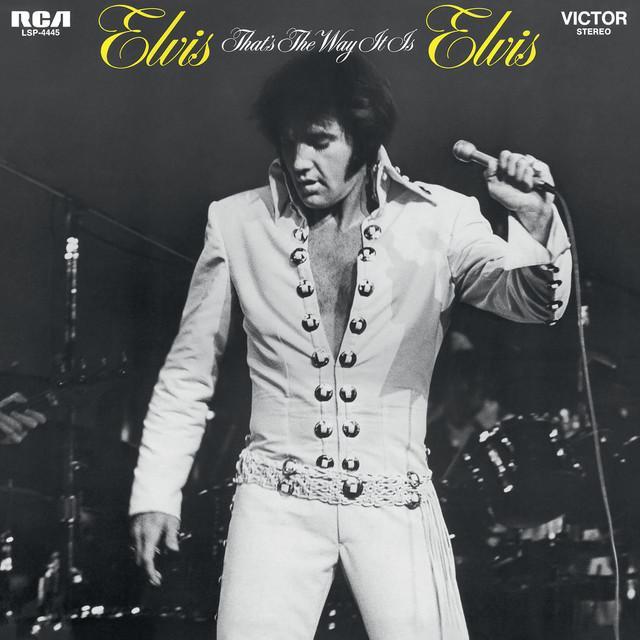
Why Elvis Sang 'Bridge Over Troubled Water'
For anyone searching the meaning of Bridge Over Troubled Water Elvis Presley, the core idea is simple but powerful: it is a promise to stay with someone through pain. Elvis did not write the song, but his 1970 recording gave Paul Simon’s words a different weight—less airy, more rooted, and deeply tied to his gospel instincts.
"Bridge Over Troubled Water" - Elvis Presley
When tears are in your eyes
I will dry them all
Loading lyrics...
Unable to load lyrics
We're unable to display the lyrics at this time. Please try again later.
The song was written by Paul Simon and first released by Simon & Garfunkel in 1970. Elvis recorded his cover that same year for That's the Way It Is, with producer Felton Jarvis. Standard references list Elvis’s version as part country and soft rock, while the original is often described as pop rock with strong gospel influence. Those facts matter because the song’s meaning lives not just in the words, but in how each artist delivers them.
A Promise Bigger Than Comfort
At its heart, the song speaks to a person who feels overwhelmed. The opening idea is plain: when someone is hurting, the singer will not disappear. Phrases like when you're weary
and I'm on your side
set up that emotional contract.
The famous central image, bridge over troubled water
, turns support into something physical. A bridge exists so someone else can cross danger safely. That makes the song more than sympathy. It is about active help, burden-bearing, and sacrifice.
Interpretation: In Elvis’s hands, that metaphor sounds less like poetry for its own sake and more like testimony. They hear a man pledging strength, not only tenderness.
Watch the official Bridge Over Troubled Water
music video
How the Verses Build the Message
The lyric moves in stages, and each stage expands the promise.
- First, it meets private sadness: tears, loneliness, and emotional exhaustion.
- Next, it steps into social hardship, suggesting a person cast out or abandoned.
- Finally, it looks ahead to renewal, with the image
sail on, silver girl
pointing toward hope.
That structure matters. The song does not stay trapped in darkness. It starts with pain, then offers protection, and ends by nudging the listener forward. Even the closing change to ease your mind
suggests that true comfort is not just rescue in the moment. It is peace that lasts.
What Elvis Brings to the Song
Elvis’s version works because his voice already carried a history of gospel, country, and big emotional ballads. By 1970, he was deep into a comeback period that mixed live power with mature studio work, as heard on That's the Way It Is. That context helps explain why this song fit him so naturally.
Where Simon & Garfunkel’s recording is grand and carefully ascending, Elvis leans into warmth and conviction. They hear less distance between singer and listener. He sounds like someone standing in the room, not floating above it.
This changes the meaning of Bridge Over Troubled Water Elvis Presley in a subtle way. The original can feel almost hymn-like in its purity. Elvis makes it feel more earthly. His performance suggests care that is lived, embodied, and immediate.
The Gospel Thread Beneath the Surface
Paul Simon has said the song was shaped by gospel ideas, and major accounts of its creation note inspiration from the Swan Silvertones as well as a piano-led arrangement designed to bring out that feeling. That background helps explain why the lyric sounds close to prayer even when it never names religion directly.
Elvis was especially suited to that side of the song. Gospel was central to his musical identity long before this cover. Because of that, lines about standing by the suffering person carry a spiritual echo. They can sound like friendship, but also like grace.
Interpretation: Some listeners hear the speaker as a friend or lover. Others hear a Christ-like image of laying oneself down for another. Elvis’s gospel phrasing makes that second reading easier to hear, even if the song remains open-ended.
Production, Arrangement, and Emotional Lift
The sound also shapes the meaning. The original Simon & Garfunkel version is famous for its piano opening, gradual build, and late-arriving strings. Reference sources credit players such as Larry Knechtel on piano and note how the arrangement grows in scale across the song. Elvis’s recording keeps the ballad structure but filters it through his own smoother country-pop setting.
That matters because the song’s message depends on motion. It begins in vulnerability and rises toward reassurance. A static arrangement would flatten the idea. Instead, the music expands as the promise expands.
In Elvis’s take, the steady tempo and broad vocal phrasing reinforce reliability. He does not rush the words. They land with patience, which mirrors the role of someone who remains calm while another person is falling apart.
Why the Song Lasted—and Why Elvis Helped
The song became one of the defining records of 1970. The Simon & Garfunkel version topped the Billboard Hot 100 for six weeks, sold millions, and won major Grammy Awards. It has since been covered by dozens of artists, including Aretha Franklin, Johnny Cash, and Elvis Presley.
That long afterlife points to a simple truth: nearly everyone understands the need for someone who will stay. Elvis helped preserve that universality because he did not overcomplicate the song. He sang it straight, letting the emotional pledge do the work.
Final Crossing
So what is the meaning of Bridge Over Troubled Water Elvis Presley? It is the meaning of dependable love in action: not a vague feeling, but a willingness to carry another person through fear, grief, or isolation.
Elvis’s version emphasizes strength, mercy, and calm assurance. It turns a classic song of comfort into something that feels personal, human, and quietly spiritual.
Disclaimer: This interpretation blends documented background with critical reading of the lyrics and performance. Meaning can vary by listener.








