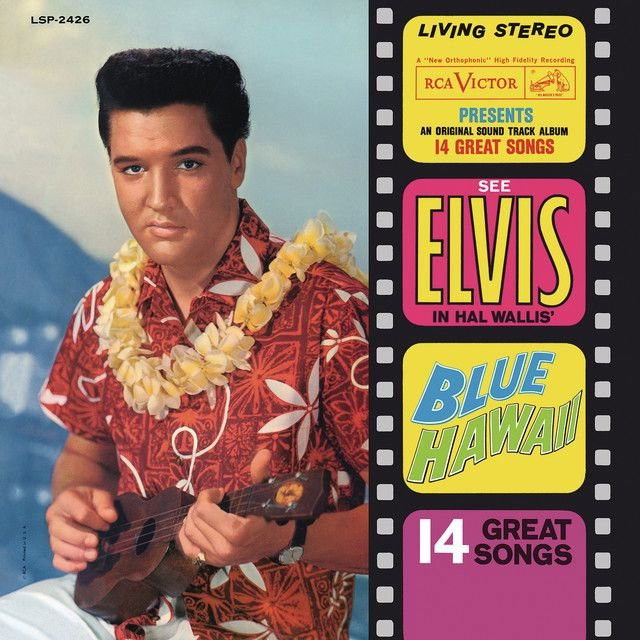
Can’t Help Falling in Love by Elvis Presley
They’ve heard it at weddings, in movies, and as the lights come up at the end of an Elvis show. So what’s the meaning of Can't Help Falling in Love Elvis Presley fans keep returning to? At its heart, this classic is a pledge of devotion that overrides caution, stated with calm certainty and timeless grace.
"Can't Help Falling in Love" - Elvis Presley
But I can't help falling in love with you
Shall I stay?
Loading lyrics...
Unable to load lyrics
We're unable to display the lyrics at this time. Please try again later.
A Love That Overrules Logic
The song opens by acknowledging common sense and social advice. The narrator hears the warning in wise men say
and the caution about only fools rush in
, but he still steps forward. Interpretation: love here isn’t reckless bravado; it’s a quiet conviction that feelings can be wiser than fear.
The refrain insists that falling in love isn’t a choice so much as a current. Rather than argue with “wisdom,” the singer accepts risk and responsibility. That tension—between prudence and surrender—creates the song’s enduring pull.

Watch the official Can't Help Falling in Love
music video
Who’s Speaking, and What They Risk
The voice is first person and gentle. They even question themselves—Shall I stay?
—before offering devotion. Interpretation: the hesitation makes the promise stronger. It’s not infatuation blurted in a rush; it’s a deliberate vow made after recognizing the stakes.
When the narrator says take my hand
and, further, take my whole life, too
, they escalate from invitation to total commitment. Interpretation: this isn’t just romance; it’s a lifelong pledge.
Symbols That Make It Timeless
Nature imagery anchors the idea that love can be inevitable:
Like a river flows surely to the sea
Darling, so it goes
Some things are meant to be
By linking love to a river’s path, the song frames devotion as natural and steady, not impulsive. Interpretation: if the river-to-sea journey is certain, then giving one’s whole life follows as the emotional consequence.
How the Sound Says “Surrender”
Elvis recorded the track in March 1961 at Radio Recorders in Hollywood for the Blue Hawaii soundtrack. The arrangement is slow and lilting, with The Jordanaires’ soft harmonies cushioning his lead. Subtle touches—like celesta, ukulele, and gentle guitar—keep the texture light and intimate, matching the hushed promise of the lyric.
The melody is famously based on the 1784 French song “Plaisir d’amour.” That lineage gives it a classic, almost hymnal contour—graceful descending lines and patient pacing—that supports the theme of inevitable love. Elvis’s vocal is restrained, warm, and unshowy, which makes the vow sound sincere rather than flashy.
Cultural Life: From Soundtrack to Standard
Released in 1961, the single topped the UK chart in 1962 and reached No. 2 on the US Hot 100, eventually earning RIAA Platinum status. Elvis later used it to close concerts in the late ’60s and ’70s, including the 1973 Aloha from Hawaii broadcast; it was the final song he performed live in 1977. Its cultural status only grew as artists like UB40 and others reimagined it for new generations.
Its wedding legacy is obvious: surveys often rank it among the most popular first-dance choices. That makes sense—the song balances vulnerability with promise, and its tempo invites close, unhurried dancing. More than nostalgia, it offers a blueprint for commitment: acknowledge uncertainty, then choose love anyway.
Two Plausible Readings
- Interpretation 1: Destiny realized. The river image suggests fate; resisting would feel unnatural. The narrator yields to a larger current, confident that this love “belongs” where it’s heading.
- Interpretation 2: Courage over caution. The nod to “wise men” sets up risk-awareness. The power of the pledge is not fate alone but the bravery to commit with eyes open.
Both readings share a core truth: love is presented as a moral choice to care, not a thrill to chase.
Takeaway: The Calm After the Leap
The meaning of Can't Help Falling in Love Elvis Presley listeners feel again and again is simple but deep: after hearing every warning, they still offer their hand—and their life. That serenity, not spectacle, is why this ballad remains the slow dance people trust.
Disclaimer: Song interpretations are subjective and may vary by listener; this article presents one informed reading based on lyrics, recording context, and reception history.









