Why 'Guitar Man' Meant So Much to Elvis
The meaning of Guitar Man Elvis Presley starts with a simple story: a musician leaves a dead-end job, hits the road, gets turned away, and keeps playing anyway. On the surface, it is a fast-moving tale about hustling for gigs. Under that, it is about artistic identity, hunger, and the need to be seen.
"Guitar Man" - Elvis Presley
Left my mama a goodbye note
By sundown I'd left Kingston
Loading lyrics...
Unable to load lyrics
We're unable to display the lyrics at this time. Please try again later.
Elvis Presley did not write the song. Jerry Reed did, and Reed first recorded it in 1967. But Elvis's version matters because it arrived at a key moment in his career, when he was stuck in movie soundtrack work and looking for material with more life in it. That tension helps explain why the record feels so urgent.
A Road Story With a Bigger Message
The plot is easy to follow. The narrator quits a job, leaves home, and heads south with a guitar and a dream. Town after town, they hear some version of nobody wanted to hire
them. Money runs out. Luck runs out. Pride almost does too.
That repeated rejection is the heart of the song. It is not just about one musician having a bad month. It is about how talent often meets closed doors before it meets opportunity.
Interpretation: the song treats the guitar player as a symbol for anyone trying to turn a gift into a life. The title role, the guitar man
, is both a job and an identity. They are not simply someone who plays. They are someone who cannot stop playing, even when it is not paying.
Watch the official Guitar Man
music video
How the Verses Build the Struggle
Each verse adds another layer to the narrator's grind. They move from place to place, trying to find work in bars and clubs, only to be told there is no room around here
. The travel details make the story feel real: Memphis, Macon, Panama City, Mobile.
Those locations do more than fill out a map. They place the song inside a Southern music world where the dream of making it always seems one town away. Memphis especially carries weight because it was the city where Elvis himself got his early break.
A Quick Timeline of the Song's Story
- The narrator leaves a regular job and home life behind.
- They chase gigs across the South and face rejection.
- They fall into poverty and drift from town to town.
- They finally sit in with a working band in Mobile.
- Their skill changes everything, and they become the leader.
That final turn gives the song its payoff. After so many put-downs, the same kind of musician once dismissed as useless becomes the center of the room.
The Hook Is About More Than Employment
The refrain keeps circling back to the idea that nobody needs a guitar player. That makes the ending sweeter. By the last verse, the crowd is following the band, and the once-ignored picker is now the one leading it.
Interpretation: the song is not saying success comes easily if someone just keeps trying. It is saying that recognition often arrives late, after long stretches of invisibility. The emotional point is endurance.
One short moment captures that shift well:
swingin' little guitar man
Early on, the phrase sounds almost hopeful. By the end, it sounds earned.
Why Elvis Connected to It
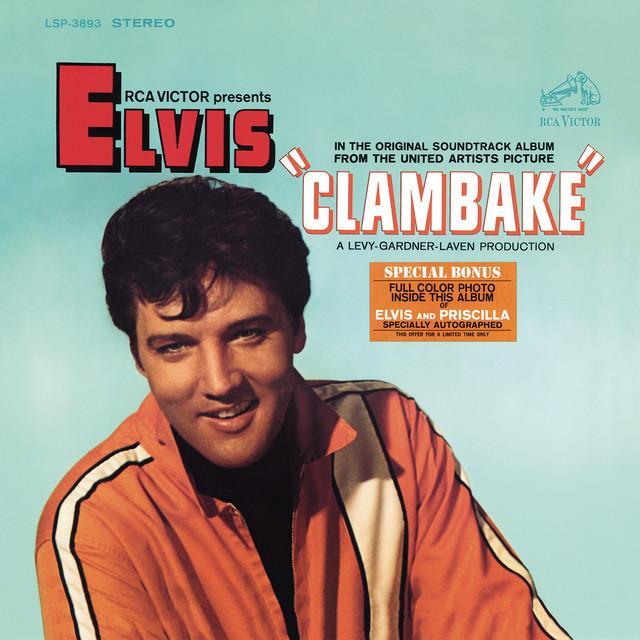
This is where context sharpens the meaning of Guitar Man. Elvis recorded the song for Clambake in 1967, a period when his career was heavily tied to films and soundtrack albums. That era brought hits, but it also brought growing criticism and creative frustration, as noted in biographies and career histories such as Wikipedia's Elvis Presley overview and Songfacts.
So when Elvis sang about a player who knew they had something real, even while the world seemed uninterested, the material fit him unusually well. He was famous, of course, but fame is not the same as artistic freedom. In that sense, the song's underdog story had a personal echo.
The Sound Makes the Meaning Stronger
A big part of the song's power is musical. It does not just tell a story about a gifted player; it sounds like one. The groove has snap, swagger, and movement. The guitar line feels restless, almost like traveling itself.
That feel was hard to capture. According to Songfacts, the session did not click until Jerry Reed came in and played with his distinctive fingerstyle approach and altered tuning. Reed recalled that once the intro locked in, Elvis lit up, and the performance took off.
That anecdote matters because it supports what listeners hear. Elvis sounds energized on this track. The vocal is playful, loose, and driving. He leans into the rhythm instead of floating above it. The result is a performance about survival that also sounds alive.
A Turning-Point Song in Disguise
Even though Clambake was not a critical high point, Guitar Man
pointed toward something better. Elvis later performed it in his 1968 NBC comeback special, a major turning point in his career, documented in standard career sources including Wikipedia. That later use makes the song feel almost prophetic.
Interpretation: in Elvis's catalog, this track can be heard as a bridge between the constrained movie years and the sharper, more committed artist who re-emerged at the end of the decade.
What the Song Ultimately Says
At its core, the meaning of Guitar Man Elvis Presley is about persistence under pressure. The narrator keeps moving, keeps playing, and keeps believing that skill will matter somewhere. When the breakthrough comes, it feels satisfying because the song has shown the cost of getting there.
It is also a celebration of musicianship itself. The hero wins not through luck alone, but through what they can do when finally given a chance.
That is why the song still lands. It understands the lonely stretch before recognition, and it never mocks the dream.
Disclaimer: This interpretation combines documented facts about the recording with critical reading of the lyrics and performance. Meaning can vary from listener to listener.







