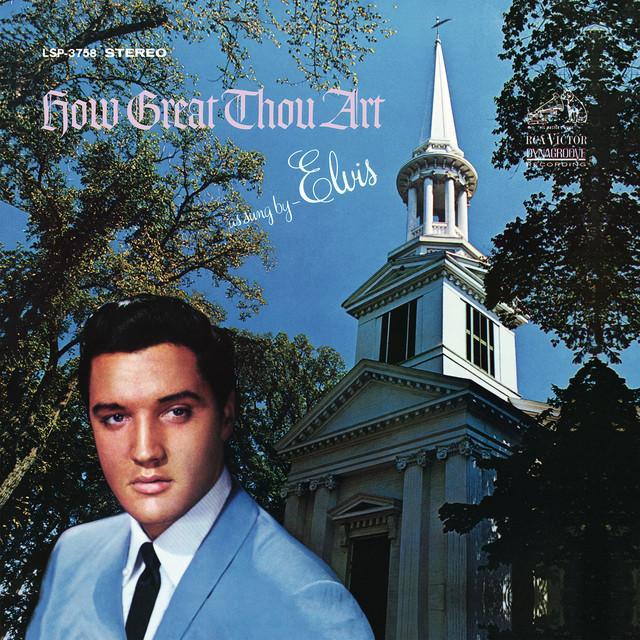
How Great Thou Art by Elvis Presley
The meaning of How Great Thou Art Elvis Presley starts with awe. This is not a story song in the usual pop sense. Instead, it is a hymn that moves through wonder, faith, and surrender. In Elvis Presley’s hands, it becomes both a public act of worship and a deeply personal performance.
"How Great Thou Art" - Elvis Presley
When I in awesome wonder
Consider all the worlds thy hands have made
Loading lyrics...
Unable to load lyrics
We're unable to display the lyrics at this time. Please try again later.
Elvis recorded the song for his 1967 gospel album How Great Thou Art, a landmark release in a career that always stayed close to gospel music. That album later won him a Grammy, one of the clearest signs of how seriously his sacred recordings were received. Factually, Elvis’s version is a performance of the well-known hymn text associated with Stuart K. Hine, who adapted the English version from earlier sources.
A Hymn Built on Wonder
At its core, the song is about seeing the world and reading it as evidence of God’s power. The opening thought looks at creation and feels overwhelmed by it. Short images like awesome wonder
, the stars
, and rolling thunder
point to nature as a path toward belief.
The key idea is simple: the singer looks outward, then upward. The universe is not presented as random or cold. It feels ordered, alive, and full of divine presence. That is why the chorus does not argue or explain. It responds.
Interpretation: Many listeners hear the first verse as a spiritual version of humility. The singer is small, but not lost. They feel tiny inside a huge universe, yet comforted by the belief that it was made with purpose.
Watch the official How Great Thou Art
music video
From Nature to Salvation
One reason the hymn has lasted so long is its movement from creation to redemption. It does not stay only with mountains, skies, or cosmic power. It turns toward Christian hope.
Later lines shift from the outer world to the future return of Christ. Phrases such as take me home
and humble adoration
change the emotional focus. The song is no longer just admiring God’s power from a distance. It becomes a testimony of trust, judgment, reunion, and joy.
That structure matters. First, the singer recognizes greatness in the world around them. Then, they imagine what that greatness means for their own soul. In plain terms, the hymn says: if creation is this vast, then salvation must be even more overwhelming.
Why the Chorus Hits So Hard
The chorus is famous because it sounds like the natural release of everything the verses build toward. The repeated phrase How great Thou art
is not complex writing, but that is exactly why it works.
After the verses describe the universe and the promise of heaven, the chorus strips language down to its essentials. The singer cannot improve on praise with clever detail. They can only repeat it. That repetition gives the song its emotional force.
Then sings my soul
my savior God to thee
How great Thou art
Even in this brief passage, the hymn shows its main idea: worship begins inside the soul, then turns outward in song. The line suggests that praise is not forced. It rises.
How Elvis’s Voice Changes the Meaning
Elvis Presley did not write the hymn, but his version shapes how many listeners feel it. He grew up with gospel music and returned to it throughout his career, both in church and in private jam sessions. That background matters because he sings the hymn with conviction rather than distance.
His performance balances control and release. He starts with restraint, letting the grandeur of the words develop slowly. As the song rises, his voice grows fuller and more urgent, making the praise feel earned instead of automatic.
Sound, Arrangement, and Spiritual Weight
The arrangement also supports the message. The performance leans on classic gospel elements: rich backing vocals, steady rhythm, and a slow build that opens space for reverence. Rather than chasing pop drama, the production gives the melody room to feel sacred.
That matters for meaning. The song’s message is about greatness beyond human scale, and the music mirrors that by expanding gradually. Elvis’s vocal peaks feel less like showmanship and more like surrender. Interpretation: That is one reason his version often connects with listeners who are religious and with those who simply respond to emotional honesty.
The Main Symbols in the Lyrics
Several motifs carry the song’s meaning:
- Nature: stars, sky, and thunder suggest divine power.
- Voice and song: the soul sings because praise cannot stay silent.
- Home: the idea of being brought home points to heaven and peace.
- Bowing: physical humility reflects spiritual surrender.
These are simple symbols, but they are effective because they move from sight to sound to final devotion. The song begins with observation and ends in worship.
Why the Song Still Endures
The meaning of How Great Thou Art Elvis Presley remains powerful because it speaks in direct language about very large feelings. It gives listeners a clear path: see the world, feel awe, remember mortality, and answer with praise.
Elvis’s version endures because he does not overcomplicate that path. He treats the hymn as something lived, not merely performed. For many listeners in the United States, that sincerity is the real bridge between gospel tradition and popular music.
In the end, the song is about more than saying God is great. It is about what happens to a person when they truly believe it. They become humbled, comforted, and moved to sing.
Disclaimer: This interpretation separates widely accepted facts about the hymn and Elvis Presley’s recording from informed reading of the lyrics’ emotional and spiritual meaning.







