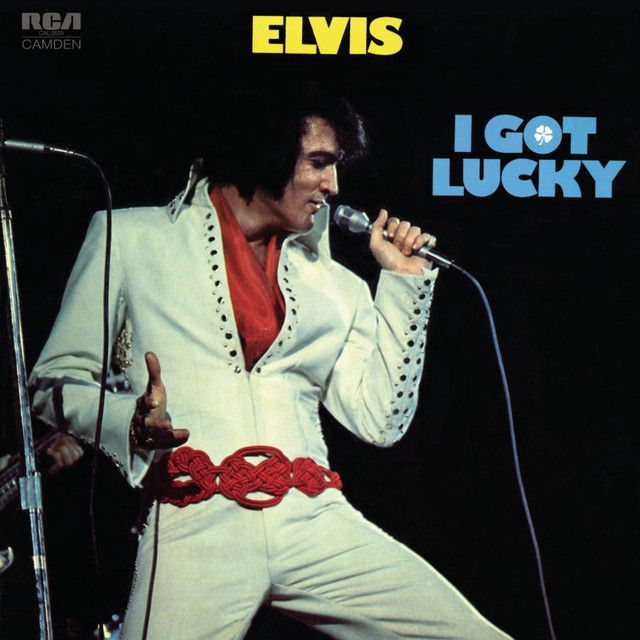
What 'I Got Lucky' Says About Love
The meaning of I Got Lucky Elvis Presley comes down to one simple idea: love feels more powerful than luck. The song takes old superstitions—charms, stars, and signs of fate—and gently pushes them aside. In their place, it offers a smaller, more human truth: finding the right person can feel like winning anyway.
"I Got Lucky" - Elvis Presley
To bring good luck to me
No rabbit's foot, no lucky star
Loading lyrics...
Unable to load lyrics
We're unable to display the lyrics at this time. Please try again later.
Recorded by Elvis Presley for the film Kid Galahad and first released on the soundtrack EP in August 1962, the song is short, bright, and direct. It was recorded at RCA Studio B in Nashville on October 27, 1961, and later saw a European single release in 1963. Those facts help explain its style: it was built to work fast, sound catchy, and fit a movie setting without losing emotional clarity.
Beyond Superstition, Into Romance
What makes the song appealing is how clearly it sets up its message. The singer starts by naming familiar symbols of luck: a four-leaf clover
, a rabbit's foot, a lucky star. The point is not that those objects are bad. The point is that they have never really worked.
Then the chorus flips the whole setup. Instead of magical help from the outside world, the singer says they got lucky
when they found someone to love. In plain terms, the song argues that emotional connection matters more than superstition.
That is why the track feels sweet rather than clever. It takes a common phrase—being lucky in love—and treats it sincerely. There is no twist ending. The listener is meant to believe the singer means it.
Watch the official I Got Lucky
music video
The Hidden Nerve Under the Smile
Even with its upbeat surface, the song has a nervous streak. That matters to the meaning of I Got Lucky Elvis Presley, because the song is not only celebrating love. It is also afraid of losing it.
The clearest clue comes when the singer admits they walk around with fingers crossed
. That image turns the whole song slightly. If love were fully secure, there would be no need for crossed fingers.
A little later, the lyric asks for proof and commitment. The plea to name the day
suggests marriage, or at least a serious promise. In other words, love is described as lucky, but luck can feel unstable. The singer wants that happy accident to become something permanent.
Interpretation: This tension gives the song more depth than its short running time suggests. It is not just about finding love. It is about the fear that something wonderful might vanish unless it is made official.
How the Verses and Chorus Work Together
The song is built on a smart contrast between list-making verses and a firm chorus. The verses gather examples of missing good-luck signs. The chorus answers each one with the same idea: none of that matters now.
That structure keeps the message easy to follow:
- The singer lacks traditional signs of good fortune.
- They still feel blessed because they found love.
- That joy turns into anxiety about keeping it.
- They ask for reassurance so the feeling can last.
This is why the chorus lands so well. It is not random repetition. Each return to when I found you
reframes the earlier images. Love becomes the only proof of fortune the singer needs.
Elvis Context Matters Here
Because the song comes from Kid Galahad, it belongs to Elvis's early-1960s soundtrack period. That era often gets treated as lighter than his 1950s work, but songs like this show why those recordings still connect. They were crafted for quick impact, memorable hooks, and clear emotion.
According to the available release history, the song was written by Ben Weisman, Dolores Fuller, and Fred Wise, then used in the film and on the Kid Galahad EP. It was later released as a European single and even reused as the title track of a 1971 budget LP. That long afterlife suggests the tune had staying power beyond its original movie context.
A review cited on the song's reference history also singled it out as one of the better songs in Kid Galahad. That tracks with what listeners hear: it is compact, melodic, and emotionally readable.
Why the Sound Fits the Message
Musically, I Got Lucky
moves with easy confidence. At under two minutes, it wastes no time. The tempo is brisk, the arrangement is clean, and the melody is built to sound warm rather than dramatic.
That matters because a heavier production would have changed the lyric's meaning. Instead, the light rock setting makes the singer's devotion sound natural. They are not delivering a grand confession. They are sharing a plainspoken realization.
Elvis's vocal also helps sell the balance between joy and unease. He sounds relaxed in the hook, but the more vulnerable lines give the song its emotional pull. The result is a performance that feels casual on first listen and slightly fragile on the second.
A Love Song About Chance—and Choice
One strong reading is that the song treats love as fate. The singer did not earn this happiness through charms or plans; it simply arrived. Another reading is more practical: once love appears, the real task is protecting it.
Interpretation: That second reading is especially persuasive because of the request for reassurance. The song begins with chance, but it ends by asking for commitment. Luck may start the relationship, yet choice keeps it alive.
Final Take on Its Meaning
The meaning of I Got Lucky Elvis Presley is that romance can feel like fortune, even when life offers no magical signs. But the song also knows that love is fragile. That is why its happiness feels earned rather than shallow.
In just a few lines, it moves from superstition to gratitude, then from gratitude to fear, and finally toward hope. That emotional arc is why the song still feels charming decades later.
Disclaimer: This interpretation is based on the lyrics, recording context, and performance details. As with any song, listeners may hear different meanings in it.








