Why 'In the Ghetto' Still Hits So Hard
The meaning of In the Ghetto Elvis Presley comes down to one painful idea: a child born into poverty is pushed toward harm when no one steps in to help. Rather than blaming one person, the song points at a broken cycle. It asks listeners to see how hunger, neglect, and social indifference can shape a life before that life has a fair chance.
"In the Ghetto" - Elvis Presley
On a cold and gray Chicago mornin'
A poor little baby child is born
Loading lyrics...
Unable to load lyrics
We're unable to display the lyrics at this time. Please try again later.
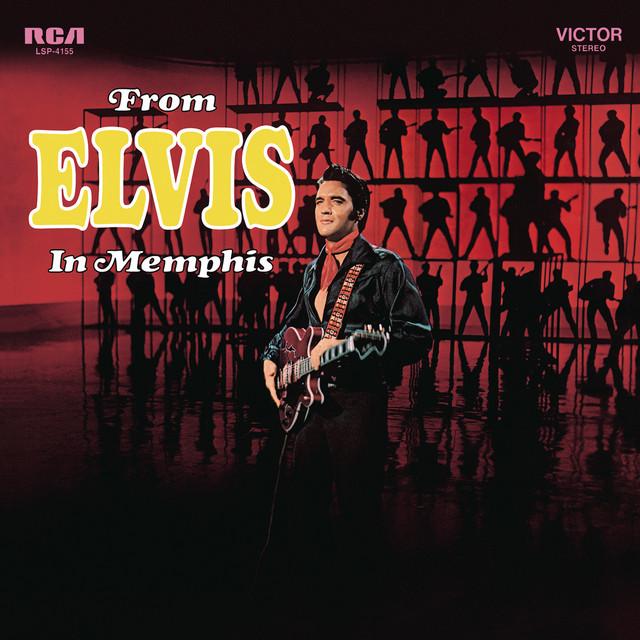
Released in 1969, the song was written by Mac Davis and recorded by Elvis Presley for From Elvis in Memphis. It became one of Elvis's biggest post-comeback hits, reaching No. 3 on the Billboard Hot 100, according to widely cited chart data collected in standard reference sources.
A Story Song With a Social Warning
At the surface, the plot is simple. A baby is born in a poor Chicago neighborhood. His mother is overwhelmed. The boy grows up hungry, learns survival the hard way, turns to crime, and dies young. Then the ending circles back to another birth, implying that nothing has changed.
That structure is the key to the song's power. Mac Davis originally called it "The Vicious Circle," a title noted in major song references. That earlier title makes the message even clearer: this is not just one tragedy. It is a repeating pattern.
A few short phrases show how the song frames that pattern: in the ghetto
, another hungry mouth to feed
, and an angry young man
. Each phrase is brief, but together they map a whole social argument. The location, the lack of resources, and the emotional result all connect.
Watch the official In the Ghetto
music video
The Real Target Is Public Indifference
One of the most important parts of the lyric is its direct appeal to the audience. The song does not only describe poverty. It asks what other people are doing while this child is growing up.
People, don't you understand
The child needs a helping hand
That moment shifts the song from narration to accusation. The problem is not framed as personal failure alone. It is framed as a community failure.
Interpretation: the song suggests that society often notices poverty only after it turns into crime or violence. By then, the damage is already done. The line of thought is simple: if people ignore suffering early, they should not act shocked by the outcome later.
How the Verses Build the Cycle
The songwriting works almost like a short film. Each verse marks a stage in the boy's life:
- Birth into hardship.
- Childhood hunger and exposure.
- Street survival through theft and fighting.
- Desperation, violence, and death.
- A new child born into the same conditions.
The detail is spare, but effective. Phrases like cold and gray Chicago mornin'
and cold wind blows
create a harsh physical setting. The weather imagery mirrors emotional coldness too. This world feels unwelcoming from the start.
Interpretation: the song does not argue that poverty automatically causes crime. Instead, it shows how deprivation, isolation, and lack of support can narrow a person's choices until destructive paths seem like the only paths left.
Why Elvis's Performance Matters
Part of what makes the recording last is that Elvis does not oversing it. He sounds controlled, sad, and deeply sympathetic. That restraint keeps the story believable.
This mattered in context. According to music reference summaries and reporting on the Memphis sessions, Elvis pushed to record and release the song even though some around him worried about a "message song." That made the single feel like a statement of artistic seriousness, not just another radio bid.
For Elvis, that was a turning point. After the 1968 TV comeback, the Memphis sessions helped reintroduce him as a mature recording artist. In the Ghetto showed he could carry a socially aware narrative without losing his emotional directness.
The Sound: Gentle Music, Brutal Content
Produced by Chips Moman at American Sound Studio in Memphis, the track blends pop, country-soul, and gospel touches in a smooth, understated arrangement. The music never crowds the lyric. Instead, it supports it with soft rhythm, tasteful backing vocals, and a steady pulse.
That contrast matters. The arrangement is almost comforting, while the story is devastating. The result is a song that invites listeners in before confronting them with hard truths.
The repeated in the ghetto
works almost like a tolling bell. Each return reminds the listener that the setting is not background. It is the engine of the tragedy.
Why the Song Endures
The reason people still search for the meaning of In the Ghetto Elvis Presley is that its message remains current. The song is rooted in 1969, but its core issue is still familiar in the United States: what happens when children grow up surrounded by poverty and neglect, and everyone else looks away?
It also lasts because it avoids easy answers. There is no speech about policy and no neat fix. There is just a story, told plainly, ending where it began.
That circular ending is the whole point. The song asks listeners to see that the next tragedy is already on the way unless someone offers that "helping hand" sooner.
Final Take on Its Meaning
In the broadest sense, In the Ghetto is a song about consequences that begin long before a headline. It argues that hunger, abandonment, and public blindness can shape a life toward violence and grief.
Interpretation: its deepest message is moral, not political. It asks whether people can recognize shared responsibility for children they may never meet.
Disclaimer: This interpretation is based on the lyrics, recording context, and documented history, but song meaning can remain open to personal reading.









