Why ‘Kentucky Rain’ Feels So Desperate
The meaning of Kentucky Rain Elvis Presley starts with a simple story: someone is gone, and the singer cannot stop looking for them. But the song lands so hard because it turns that search into something bigger. It is not just about travel. It is about confusion, regret, and the need to fix a love story before it disappears for good.
"Kentucky Rain" - Elvis Presley
And a dozen towns ago
I reached out one night and you were gone
Loading lyrics...
Unable to load lyrics
We're unable to display the lyrics at this time. Please try again later.
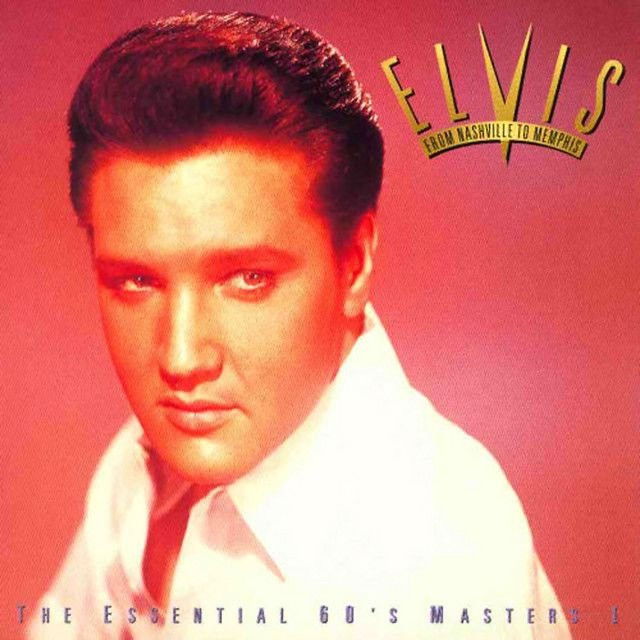
Recorded at American Sound Studio in Memphis and released as a single in 1970, “Kentucky Rain” came from writers Eddie Rabbitt and Dick Heard. It became one of Elvis Presley’s early hits of the new decade, reaching No. 16 on the Billboard Hot 100. That success makes sense: the song mixes country storytelling with pop drama in a way that feels cinematic.
A Love Story Turned Into a Search
At the center of the song is a man chasing the trace of a woman who left for reasons he does not fully understand. Early on, he frames the gap in time and distance with phrases like Seven lonely days
and a dozen towns ago
. Those details matter because they make the loss feel recent and exhausting at once.
He does not know why she left, and that uncertainty is the wound. The song is not built around anger or blame. Instead, it is full of restless need. He wants answers, but even more than that, he wants reunion.
Interpretation: This is why the song feels sadder than a normal breakup song. The narrator is not processing the end. He is refusing to accept it.

Watch the official Kentucky Rain
music video
The Road Becomes the Emotion
One of the smartest things in the lyric is how the weather and landscape carry the feeling. The song keeps returning to the image of Kentucky rain
. On the surface, that is just the setting. Underneath, it becomes a symbol for grief that will not let up.
Rain soaks everything in the story. It slows travel, blurs vision, and makes the search more lonely. When the singer mentions rain in my shoes
, the idea becomes physical. This is not poetic sadness from a distance. It is cold, tiring, and uncomfortable.
The rural setting matters too. General stores, back roads, and strangers on benches create a world that feels wide and hard to search. Every town offers a clue, but never enough certainty. That is why the song builds tension without needing a twist.
A Narrative Told in Small Encounters
The song unfolds like a short film. Each stop gives the singer a little hope, then sends him onward.
- He realizes she is gone and decides to follow.
- He asks locals if they have seen her picture.
- He gets a ride from a preacher.
- He keeps moving toward the next town.
That structure is important because it shows obsession through action. He is not sitting still and thinking. He is out in the storm, piecing together rumors.
up ahead's another town
I'll go walking through
Those lines are brief, but they capture the song’s engine. The search has no clean ending in the lyric. There is only the next place, the next lead, the next attempt.
What the Chorus Really Means
The chorus is powerful because it combines motion and hopelessness. He is still searching, still walking, still trying. Yet the repeated return to the cold rain suggests he is trapped inside the same feeling.
In many songs, a chorus provides resolution. Here, it does the opposite. It reminds listeners that the singer is stuck in a loop: longing, traveling, remembering, hoping. Even when the geography changes, the emotional weather does not.
Interpretation: The chorus may suggest that he is chasing not only the woman, but also a chance to undo whatever broke between them.
Why Elvis Was the Right Voice for It
Elvis had sung heartbreak before, but “Kentucky Rain” works because they brought a mix of tenderness and force to it. The vocal does not sound casual. It sounds driven, as if every line is pushing against time.
That urgency fit the strong run of sessions Presley cut in Memphis in 1969. According to Wikipedia’s session summary, the recording featured players such as Ronnie Milsap, Reggie Young, Bobby Emmons, Tommy Cogbill, and Gene Chrisman, with production associated with Felton Jarvis and Chips Moman. That team helped give the track its layered, sweeping feel.
How the Sound Carries the Meaning
The production is a big reason the song feels larger than its lyric sheet. The rhythm moves steadily, like travel itself. The piano and organ add warmth, but they also create a heavy atmosphere, as if the storm is hanging over every bar.
There is also a soft-rock smoothness around the country core. That blend makes the song accessible, but it never becomes light. Instead, the arrangement keeps building emotional pressure behind the voice.
When Elvis leans into phrases like cold Kentucky rain
, the band supports the sense of distance and ache rather than distracting from it. The result is dramatic without sounding fake.
Two Strong Ways to Read the Song
There is a clear literal reading: a man is physically searching for the woman he loves across Kentucky.
But there is another possible reading.
Interpretation: The journey may also represent guilt. Because he never says exactly what went wrong, the endless road can sound like a punishment. He keeps moving because standing still would mean facing the idea that he may have caused the loss.
A second reading is about denial. He says his love is too strong to let her go, which sounds romantic on first listen. Yet it also hints that he cannot accept reality. That gives the song some edge beneath its tenderness.
Why the Song Still Connects
“Kentucky Rain” lasts because it captures a feeling many people know: the urge to chase an answer after a relationship breaks. Not everyone has walked a back road in a storm, but many have replayed a loss and wondered what happened.
That is the heart of the meaning of Kentucky Rain Elvis Presley. It is a song about pursuit, but even more, it is about how love can keep someone moving long after clarity is gone.
Disclaimer: This interpretation separates documented facts about the song from critical reading. Meanings can vary by listener.








