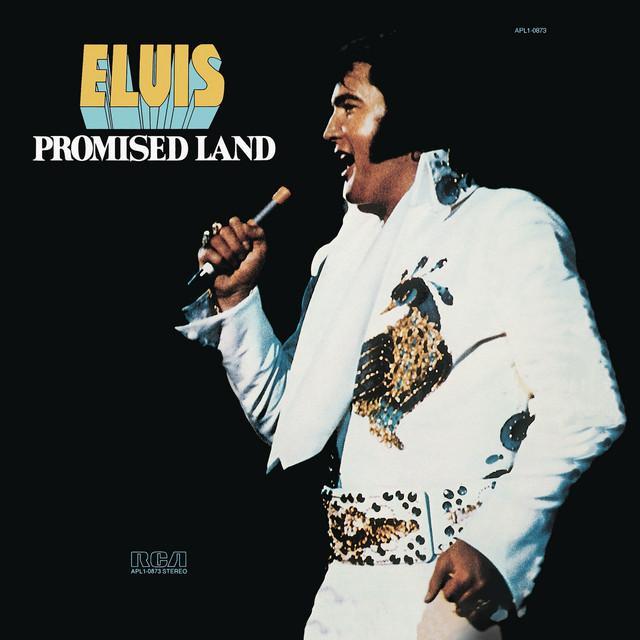
Why Elvis Turned "Promised Land" Into a Triumph
The meaning of Promised Land Elvis Presley starts with motion. This is a road song, but it is also a song about refusing to stay stuck. In Elvis Presley's version, every missed connection and broken ride becomes part of a bigger push toward hope.
"Promised Land" - Elvis Presley
I left my home in Norfolk Virginia
California on my mind
Loading lyrics...
Unable to load lyrics
We're unable to display the lyrics at this time. Please try again later.
Factually, Elvis released "Promised Land" as a single in 1974 and then as the title track of the 1975 album Promised Land, recorded at Stax in Memphis with producers Felton Jarvis and Elvis Presley. It became a solid hit, reaching No. 14 on the Billboard Hot 100, while the album later hit No. 1 on Billboard's country chart.
A Cross-Country Chase for Something Better
At the surface, the plot is simple: a traveler leaves Virginia and races toward California. Along the way, buses fail, plans change, and the route keeps shifting. The song names places in a quick chain, making the trip feel immediate and physical.
The key idea is not just travel. It is upward motion. When the singer says California on my mind
, the destination is already emotional before it becomes real. The map matters, but the dream matters more.
Interpretation: the promised land is both Los Angeles and any place where life might finally open up. The title echoes the old biblical idea of a land of relief and reward, but the song puts that idea on highways, buses, trains, and planes.

Watch the official Promised Land
music video
How the Story Builds Pressure
One reason the song works so well is its structure. Each verse adds a fresh problem, then a fresh solution. That pattern keeps the listener moving.
The trip unfolds in fast stages
- They leave home with a fixed goal.
- The first ride breaks down and strands everyone.
- They improvise with trains and late-night travel.
- Help appears in the next city.
- The final stretch happens by plane.
- Arrival ends not with rest, but with a phone call home.
That last detail matters. The narrator does not just reach the destination. They need to tell somebody. The line about the poor boy
frames the whole journey as a climb from hardship to dignity.
The Real Emotional Core Is Persistence
The song is exciting, but it is not carefree. It is about obstacles. In plain language, the singer gets delayed again and again, yet never drops the goal.
That is why short phrases like broke down
and midnight flyer
carry so much weight. One phrase captures setback; the other captures recovery. The song keeps flipping bad luck into motion.
Interpretation: this is why the song still connects. It turns struggle into momentum. Instead of stopping to complain, the narrator keeps changing vehicles and pushing west. That gives the song a working-class energy: no romance about suffering, just a practical refusal to quit.
Why Elvis Was a Strong Fit for This Song
Although Chuck Berry wrote and first recorded "Promised Land," Elvis was well suited to it at this stage of his career. By the mid-1970s, he was balancing country, rock, and soul influences, and the Stax sessions in Memphis gave him material with grit and bounce.
On the Promised Land album, he was backed by sharp players including James Burton on guitar, Ronnie Tutt on drums, Norbert Putnam on bass, and David Briggs on keys. Those credits matter because the recording sounds lean and driven rather than dreamy.
Elvis sings the song like he is chasing the beat. His vocal attack is clipped, bright, and urgent. That keeps the story from sounding nostalgic. It feels present tense, almost breathless.
How the Sound Carries the Meaning
The arrangement helps explain the meaning of Promised Land Elvis Presley as much as the lyrics do. The tempo is brisk. The rhythm section pushes forward almost without pause. Guitar and piano give the track a rolling, locomotive feel.
There is also a smart contrast in the song's travel images. Early verses stay close to the ground with buses and trains. Later, the music lifts as the lyrics reach the airplane section and the dream gets closer. When the song mentions jet to the promised land
, the performance matches the leap.
Swing low chariot
come down easy
cut your engines
cool your wings
This brief section blends sacred language with modern travel talk. Paraphrased, the plane becomes almost spiritual for a moment, as if arrival is both mechanical and miraculous.
More Than a Road Map
The named cities give the song realism, but they also do symbolic work. Virginia is home. Birmingham and Louisiana are delay points. Houston offers kindness. Los Angeles becomes proof that the journey was worth it.
The closing phone call is especially important. The singer reaches the goal, then immediately reconnects with home. So the song is not about escaping identity. It is about carrying identity forward and saying, in effect, they made it.
Interpretation: that final gesture keeps the song humble. The promised land is not luxury for its own sake. It is recognition, safety, and a chance to be heard.
Why the Song Endures
Elvis's version lasts because it is easy to enjoy and easy to read deeply. On one level, it is a fast, fun travel song. On another, it is a compact story about ambition under pressure.
Its chart success helped keep it visible, and the title track remains one of the most remembered songs from Elvis's later studio years. The recording also benefits from being short and focused: it wastes no time, just like its narrator.
The Takeaway on Elvis's "Promised Land"
The best way to understand the meaning of Promised Land Elvis Presley is to hear it as a victory over delay. The song says that the road to a better life is messy, expensive, tiring, and uncertain, but still worth taking.
That is an interpretation, not a confirmed statement of artist intent. Still, the evidence is strong in the story, the pace, and the way Elvis sings every obstacle like one more reason to keep going.
Disclaimer: Song meaning is always part fact and part interpretation. This reading is based on the lyrics, recording context, and documented release history.








