Why 'Rubberneckin'' Is Elvis at His Most Playful
The meaning of Rubberneckin' Elvis Presley starts with a simple joke: they cannot help looking around. Instead of hiding that impulse, the song turns it into a cheerful motto. That is why the track still feels fresh. It is not weighed down by heartbreak or grand drama. It is about curiosity, charm, and the thrill of noticing life as it passes by.
"Rubberneckin'" - Elvis Presley
If your rubberneckin' baby well that's all right with me
Stop, look and listen baby that's my philosophy
Loading lyrics...
Unable to load lyrics
We're unable to display the lyrics at this time. Please try again later.
Factually, Elvis Presley recorded “Rubberneckin’” at American Sound Studio on January 20, 1969, and the song was used in Change of Habit before RCA issued it as the B-side to “Don’t Cry Daddy” later that year. It still became a major hit, reaching No. 6 on the Billboard Hot 100, according to the available release history and chart data.
A Song About Looking, Not Apologizing
On the surface, the song is about a narrator who loves to watch people and scenes around them. They describe this habit almost like a code to live by. When the singer says stop, look and listen
, the point is not caution in the usual sense. It is more like an invitation to pay attention.
That makes the song funny and a little rebellious. Other people may call it wasting time, but the narrator shrugs that off. The repeated idea behind that’s my philosophy
is simple: if observing the world brings pleasure, why act ashamed of it?
Interpretation: This is what gives the song its personality. “Rubberneckin’” is not just about staring. It is about refusing to let ordinary social rules kill a sense of fun.
Watch the official Rubberneckin'
music video
How the Verses Build the Character
The lyrics sketch a clear personality in just a few moves. First, the narrator openly admits they enjoy watching. Then the song broadens that habit into an all-day routine, from morning to night. Finally, it lands on a small porch-side scene, where someone named Mary Jane passes by with another person.
That last image matters. The song is not telling a full story with a beginning, middle, and end. Instead, it gives snapshots. The porch moment shows that the narrator is both observer and participant in everyday social life. They may be alone, but they are not disconnected. They are still tuned in to who is coming by and who is with whom.
A short phrase like I like what I see
sums up that attitude. The line is less about romance than appetite for experience. They enjoy the act of noticing.
The Hook Turns Curiosity Into Swagger
The chorus is what makes the track stick. Its repeated command and defense of “rubberneckin’” transform a small habit into a big identity. This is where the meaning of Rubberneckin' Elvis Presley becomes clearest: the song treats curiosity as confidence.
There is also a light flirtation in the way the singer addresses “baby.” The voice is teasing, social, and relaxed. Even when the song admits that critics think this behavior is pointless, the answer is basically: so what?
Some people say I’m wasting time
but they don’t really know
Those lines frame the whole song. The narrator knows they are being judged, but they do not care. That defiance is gentle, not angry. It sounds more amused than hurt.
Why Elvis Was a Great Fit for It
This 1969 recording comes from an especially strong period in Elvis’s late-1960s comeback era, when sessions at American Sound Studio helped produce looser, more modern performances. In that setting, “Rubberneckin’” makes sense. It lets them sound playful, rhythmic, and self-aware.
Vocally, Elvis sells the song through bounce and timing. They do not over-sing it. Instead, they lean into the groove, punch the hook, and give the words a grin. That matters because the song’s meaning depends on attitude as much as text. A heavier delivery would make it feel smug. Elvis keeps it breezy.
Instrumentally, the original track has a compact rock drive. The beat pushes forward, the arrangement stays tight, and the repeated hook mirrors the restless act of looking around. The sound moves the same way the narrator’s attention moves: quickly, eagerly, and without much restraint.
The 2003 Remix Proved the Idea Was Flexible
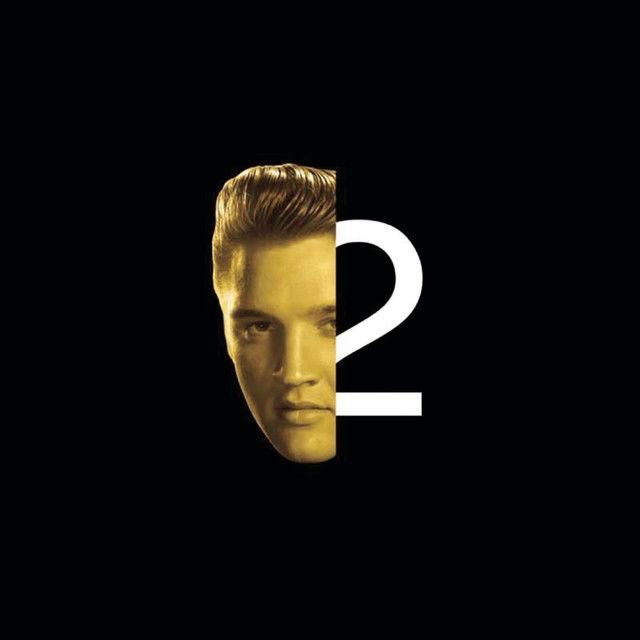
The song got a second life when Paul Oakenfold remixed it in 2003 for Elvis 2nd to None. That version charted strongly in several countries and reached No. 1 on a U.S. dance sales chart, showing how adaptable the song’s hook really was.
The remix matters for interpretation too. A dance update works because the original already had motion built into it. “Rubberneckin’” is a song about energy, scanning, and impulse. Electronic production simply exaggerated qualities that were already there.
Two Plausible Readings of the Song
Interpretation 1: A comic anthem for people-watching. This is the most direct reading. The song celebrates looking around, enjoying the parade of life, and refusing guilt.
Interpretation 2: A flirtation song in disguise. Because the singer keeps addressing someone directly and reacts to who passes by, the track can also sound like a playful confession of roving attention. In that reading, “rubberneckin’” is a stand-in for romantic wandering.
Both readings work because the lyrics stay loose. They never lock into one strict message.
The Lasting Meaning of 'Rubberneckin''
In the end, the meaning of Rubberneckin' Elvis Presley is less about one event than one attitude. The song celebrates alertness, appetite, and the pleasure of being interested in the world. It turns nosiness into style.
That is why it lasts. It is short, catchy, and a little mischievous, but it also captures something human: people like to look, wonder, and react. Elvis delivers that truth with enough wink and rhythm to make it feel timeless.
Disclaimer: This interpretation combines documented release history with critical reading of the lyrics and performance. Meaning can vary from listener to listener.








