Why Elvis Opened With “See See Rider”
The meaning of See See Rider Elvis Presley starts with a breakup, but it does not end there. Elvis took an old blues standard and turned it into a dramatic statement of pain, swagger, and departure. In their version, the song feels less like a quiet confession and more like a public showdown.
"See See Rider" - Elvis Presley
Oh, see what you have done
I said see, see see rider
Loading lyrics...
Unable to load lyrics
We're unable to display the lyrics at this time. Please try again later.
Though many listeners link the song closely to Elvis, See See Rider
long predates them. It is a traditional American blues song, first recorded by Ma Rainey in 1924, and it later became a standard across blues, R&B, soul, and rock. Elvis recorded it in 1970, and by 1972 it had become a regular concert opener in their live shows.
A Breakup Song With Teeth
At the most basic level, the song is about a lover who feels used and then abandoned. The singer says the other person drew them in, hurt them, and now must face the consequences. When Elvis sings lines like see what you have done
, the point is not subtle: this is blame spoken out loud.
The emotional turn comes when sadness shifts into action. Instead of staying stuck in heartbreak, the narrator promises escape. Phrases like going away, baby
and won’t be back till fall
show someone trying to regain power by leaving first, or at least imagining that they can.
Interpretation: That is why the song still works so well. It captures the moment when heartbreak becomes pride. The singer is hurt, but they refuse to sound weak for long.
Watch the official See See Rider
music video
The Hook’s Mystery Gives the Song Power
One reason the song lasts is that its title phrase is not fully settled. According to blues history, “See See Rider” is often linked to “easy rider,” a term that has carried several meanings, including an unreliable lover or someone who lives off another person. No single explanation has been proven, and scholars have traced the song through oral tradition and early blues performance culture.
That uncertainty matters. When Elvis repeats see see rider
, the phrase feels part accusation, part nickname, part symbol. It gives the singer a target without explaining every detail. That makes the song feel bigger than one argument.
Who the Singer Seems to Be Addressing
The lyrics point toward a direct confrontation with a lover, especially in you made me love you
. The singer is not talking to the audience first. They are talking to the person who caused the wound.
Still, because the wording is simple and repeated, listeners can project many situations onto it. A cheating partner, an emotionally distant lover, or even a person who always runs from commitment all fit the frame.
How the Story Moves
The song’s narrative is easy to follow, which is part of its strength:
- The singer names the hurt.
- They accuse the lover of causing it.
- They announce that they are leaving.
- They warn that they may never return.
That final threat matters most. The line about finding a good girl
is not just revenge talk. It shows the singer trying to imagine a future beyond the current relationship. Whether they truly mean it is less important than the fact that they need to say it.
Interpretation: In this way, the song is not only about love gone wrong. It is about self-respect under pressure.
Elvis’s Version Turns Blues Into Theater
Elvis did not invent the song, but they gave it a new kind of scale. Earlier versions sit closer to classic blues or R&B storytelling. Elvis’s performances, especially in the 1970s, made it feel grand, almost ceremonial.
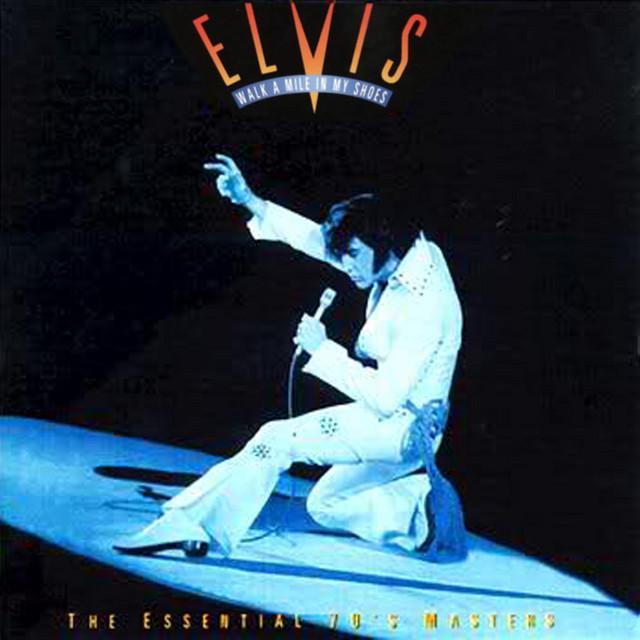
Their live arrangement often opened with a dramatic orchestral cue before the band drove into the groove. That choice framed the song as an arrival. Instead of sounding like a man alone with bad news, Elvis sounded like a star stepping into the arena with unfinished business.
This matters for the meaning of See See Rider Elvis Presley because sound changes interpretation. The beat is steady, the riff is forceful, and the repeated chorus invites call-and-response energy. Hurt is still there, but it is dressed in confidence.
Why the Repetition Works
Blues songs often build force through repetition, and this one is a textbook example. The repeating title phrase and the return to the same emotional complaint create a trance-like feeling. Elvis leans into that rhythm, stretching words and using vocal emphasis to make the grievance feel larger each time.
Rather than adding detail, repetition adds pressure. The singer cannot let the offense go. That is why the song feels both catchy and intense.
The Song’s Blues Roots Still Show
Even in Elvis’s big-stage version, the structure keeps its blues identity. “See See Rider” comes from the 12-bar blues tradition and tells a classic story: desire, betrayal, and departure. That lineage is important because Elvis was not just covering a tune; they were borrowing from a deep American form built on repetition, emotional directness, and layered slang.
The song’s long life also proves how adaptable it is. It has been recorded by artists from Ma Rainey to Chuck Willis to the Animals before and beyond Elvis. Each version shifts the mood, but the core tension stays the same: one person has been wronged, and they are trying to answer that pain with movement.
The Lasting Meaning
So what is the meaning of See See Rider Elvis Presley? In Elvis’s hands, it becomes a song about wounded love performed as public strength. The narrator hurts, but they answer hurt with rhythm, volume, and the promise of leaving.
That is why it worked so well onstage. It let Elvis open with conflict, attitude, and release all at once. The song says: someone caused damage, but the singer will not stay small because of it.
See what you have done
becomes more than a complaint.
In Elvis’s performance, it sounds like a verdict.
Disclaimer: This interpretation is based on the lyrics, blues history, and Elvis Presley’s known performance style. As with many traditional songs, some meanings remain open to debate.








