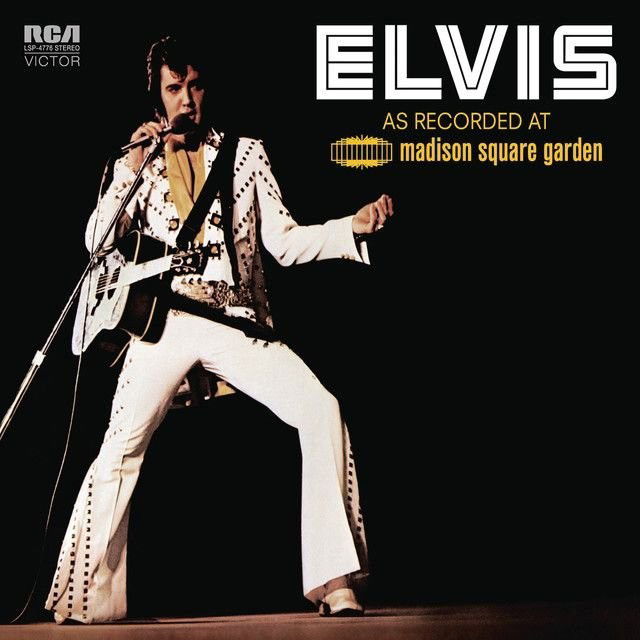
You Don't Have to Say You Love Me by Elvis Presley
A plea for presence, not a promise
The meaning of You Don't Have to Say You Love Me Elvis Presley version starts with a painful compromise. The singer is heartbroken, but they are not asking for a full return to the old relationship. Instead, they lower the bar from forever-love to simple closeness.
"You Don't Have to Say You Love Me" - Elvis Presley
You said you would always stay
It wasn't me who changed, but you
Loading lyrics...
Unable to load lyrics
We're unable to display the lyrics at this time. Please try again later.
That is what makes the song hit so hard. The speaker remembers a bond that once felt stable, then watches it collapse. After that loss, they ask for almost anything that keeps the other person near. When they say just be close at hand
, the line does not sound calm. It sounds like someone trying to survive emotional distance by bargaining with reality.
Watch the official You Don't Have to Say You Love Me
music video
Where the song came from before Elvis sang it
This song did not begin with Elvis. It started as the 1965 Italian song "Io che non vivo (senza te)," written by Pino Donaggio and Vito Pallavicini. The English version was later created by Vicki Wickham and Simon Napier-Bell, originally for Dusty Springfield, whose 1966 recording became a major international hit. Elvis recorded his version on June 6, 1970, at RCA Studio B in Nashville, and released it that October as a single from That's the Way It Is.Wikipedia
That history matters because the song already carried a big, dramatic structure before Elvis touched it. He stepped into a tune built for emotional overflow, then made it sound even larger. His version reached No. 11 on the Billboard Hot 100, hit No. 1 on the Easy Listening chart, and earned Gold certification in the U.S.Wikipedia
How the verses frame the heartbreak
The verses tell a short but clear story. First, the speaker says they once needed the other person and believed that person would stay. Then something changed. The lyric points the blame outward with you've gone away
, which gives the song a wounded edge.
After that, the narrator becomes almost painfully honest. They are left alone, trying to follow the person who left and asking them to come back. This is not proud heartbreak. It is exposed heartbreak.
The emotional timeline in simple terms
- A promise or steady bond once seemed real.
- The other person changed or drifted away.
- The speaker is left in loneliness and memory.
- Instead of demanding love, they beg for nearness.
That final step is the key. Rather than saying, "Love me the way you used to," the speaker says, in effect, "Even if it is less than love, do not disappear." That makes the song feel both tender and tragic.
Why the chorus hurts more than the verses
The chorus is famous because it sounds generous while revealing need. The line you don't have to say you love me
seems accepting at first. But when paired with I can't help but love you
, it becomes clear that the speaker is doing emotional damage control.
They know the relationship is broken or uneven. They also know their own feelings have not faded. So the chorus becomes a bargain: no declarations, no lifelong promise, maybe not even permanence. Just do not leave completely.
Interpretation: This is why many listeners hear the song as being about emotional dependence. The speaker insists they will not control the other person, even saying never tie you down
. But that promise of freedom comes from fear. They are afraid that asking for too much will push the person away for good.
Loneliness is the song's real subject
Even more than romance, the song is about absence. The second verse turns memory into a deadened landscape. Life feels unreal, and loneliness drains meaning from everything.
That emotional numbness is important. The song does not only describe missing someone. It describes the way separation can flatten the world. The relationship may already be failing, but the speaker still sees the lost person as the center of reality.
Interpretation: In that sense, the song is not just a love song. It is a song about what happens when identity gets wrapped around another person. Without them, the speaker does not merely feel sad. They feel unmoored.
How Elvis's performance deepens the meaning
Elvis was a natural fit for this material because he could sound commanding and wounded at the same time. His 1970 voice had weight, and that weight matters here. He does not sing the plea like a whisper. He sings it like someone trying to hold themselves together in public.
The arrangement supports that feeling. The slow tempo, swelling orchestration, and steady rhythm give the song a stage-like grandeur. Instead of making the words feel distant, that scale makes the pain feel bigger. It turns private need into public drama.
There is also a contrast at work. The lyric offers less and less—no need to say love, no need to stay forever—while the music grows emotionally larger. That mismatch is powerful. The person asks for very little, but the feeling behind the request is enormous.
Why the song has lasted
Part of the song's staying power is its emotional contradiction. It speaks the language of acceptance, but it aches with longing. That mix feels true to real breakups, where people often say they understand even when they are falling apart.
It also helps that the song traveled well across artists and eras. Dusty Springfield made it a classic, and Elvis gave it a different kind of reach. His recording became especially strong internationally, even becoming the best-selling single of 1971 in Japan by a foreign artist according to chart summaries cited in major reference sources.Wikipedia
The final takeaway
The meaning of You Don't Have to Say You Love Me Elvis Presley version is the pain of loving someone who may no longer love them back, and asking for presence instead of certainty. It is about bargaining with loss, lowering expectations, and still hoping closeness can soften abandonment.
That is why the song remains so moving. It understands that heartbreak is not always loud anger. Sometimes it is a quiet, devastating request for someone not to go too far.
Disclaimer: This interpretation focuses on the lyrics, performance, and song history. Meaning can vary by listener, and not every reading will be the same.








