Why Elvis Made Heartbreak Sound Dangerous
The meaning of (You're The) Devil In Disguise Elvis Presley comes down to one sharp idea: a lover seems sweet and pure on the surface, but the singer realizes that image was false. The song turns romantic disappointment into a simple, vivid warning about appearances.
"(You're The) Devil In Disguise" - Elvis Presley
Walk like an angel (walk like an angel)
Talk like an angel
Loading lyrics...
Unable to load lyrics
We're unable to display the lyrics at this time. Please try again later.
Released in 1963, the single caught Elvis Presley in a polished pop-rock period, yet it still carried bite. It reached No. 3 on the U.S. Billboard Hot 100 and No. 1 in the UK, according to Billboard chart history and other chart records. That success matters because it shows how strongly listeners connected with its clean, catchy version of betrayal.
The Core Message Hiding in Plain Sight
At its heart, the song is about being fooled by charm. The narrator first sees someone who seems gentle, beautiful, and trustworthy. Then reality breaks through. The repeated contrast between angelic surface and darker truth creates the whole drama.
That is why the hook lands so fast. After describing someone who can look like an angel
and even talk like an angel
, the singer says they got wise
. In plain terms, they finally understand they were being played.
Interpretation: The song is not really about religion or the supernatural. “Angel” and “devil” work as bold symbols. One stands for innocence; the other stands for deceit, temptation, and emotional harm.
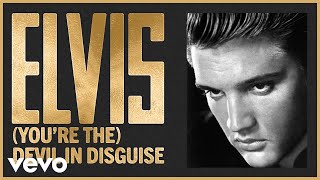
Watch the official (You're The) Devil In Disguise
music video
How the Story Unfolds in Two Minutes
The narrative is simple, but that simplicity is the point. In a little over two minutes, the song moves through three clear stages:
- Attraction: the other person seems almost perfect.
- Discovery: kisses, lies, and schemes reveal the truth.
- Judgment: the singer names the deception and takes back power.
That last step matters most. By calling the person the devil in disguise
, the narrator stops being passive. They are no longer trapped inside the illusion. They can now describe it, and naming it becomes a kind of emotional defense.
You fooled me with your kisses
You cheated and you schemed
Those two brief lines summarize the whole emotional turn: affection becomes evidence, and romance becomes manipulation.
The Chorus Turns Hurt Into a Warning
A great Elvis chorus often sounds effortless, but this one does hard work. Each return to the title reframes the verses. What first sounded like praise becomes accusation. The same traits that made the person attractive now make them dangerous because they helped create the disguise.
This is why the song feels memorable beyond its plot. Many breakup songs say, “They hurt me.” This one says something more dramatic: they hid their true self behind beauty and softness. That image gives the track its staying power.
Interpretation: The chorus can also be heard as a warning to anyone who trusts appearances too quickly. It is personal, but it speaks in a broad, almost proverb-like way.
Elvis, Nashville, and the Bright Sound of Betrayal
Part of the song’s magic is that it does not sound crushed or tragic. It sounds brisk, catchy, and controlled. Recorded at RCA Studio B in Nashville on May 26, 1963, the session featured Elvis with the Jordanaires and key Nashville players including Scotty Moore, Grady Martin, Floyd Cramer, Bob Moore, and D.J. Fontana, as documented in session histories and credits.
That lineup helps explain the sound. The rhythm moves with confidence, the backing vocals smooth out the edges, and the arrangement keeps everything bouncing forward. Even when the singer is calling out betrayal, the music stays neat and radio-friendly.
This contrast deepens the meaning of (You're The) Devil In Disguise Elvis Presley. The track sounds attractive, just as the person in the lyric seems attractive. In both cases, the surface is part of the effect. The polished production mirrors the theme of deceptive appearances.
Why Elvis’s Voice Sells the Twist
Elvis does not sing this song like a shattered victim. They deliver it with confidence, a hint of amusement, and just enough sting. That matters because the performance suggests the singer has moved from pain to clarity.
Instead of collapsing under heartbreak, they sound like someone who has learned a lesson. When Elvis leans into the title phrase, the judgment feels theatrical but controlled. It is dramatic enough to be fun, yet believable enough to sting.
This balance helped the record travel well across pop and rock audiences. It had enough attitude to feel sharp, but enough melody to stay light on the ear.
A 1963 Pop Song With a Timeless Fear
The song also reflects a classic pop theme: the fear that desire can cloud judgment. Falling for someone often begins with idealizing them. This lyric captures the crash that follows when reality replaces fantasy.
That idea is timeless, which helps explain the song’s long life through covers and revivals. Listeners still understand the central shock: the person they trusted was not who they seemed. Few songs express that idea more clearly than this one.
There is also a gendered angle common to early-1960s pop, where beauty is linked to mystery and danger. Modern listeners may hear that as exaggerated or playful. Still, the emotional truth underneath remains easy to recognize: being charmed can make people ignore warning signs.
Final Take on the Song’s Meaning
So, what is the meaning of (You're The) Devil In Disguise Elvis Presley? It is a fast, clever song about romantic deception, delayed realization, and the moment someone sees through a beautiful lie. Its “angel” versus “devil” contrast is simple, but that simplicity is exactly why it hits.
Elvis and the Nashville players make that message even stronger by wrapping betrayal in bright, appealing pop. The sound smiles while the lyric points a finger. That tension is what keeps the song alive.
Disclaimer: This interpretation blends documented facts about the recording and release with critical reading of the lyrics. Meaning in songs can vary from listener to listener.









