Why 'From the Beginning' Still Feels So Honest
When people look up the meaning of From the Beginning Emerson, Lake & Palmer, they usually hear two things at once: romance and regret. The song sounds gentle, but its words are not simply a love note. They show someone looking back at a relationship, admitting fault, and trying to make peace with what cannot be changed.
"From the Beginning" - Emerson, Lake & Palmer
But don't be unkind
It don't mean I'm blind
Loading lyrics...
Unable to load lyrics
We're unable to display the lyrics at this time. Please try again later.
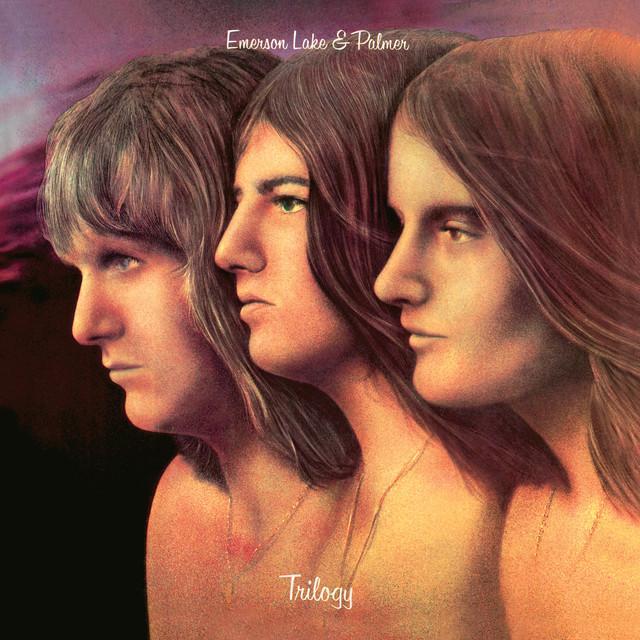
Released on Trilogy in 1972, the track was written by Greg Lake and became Emerson, Lake & Palmer's highest-charting U.S. single, reaching No. 39 on the Billboard Hot 100, according to Wikipedia and Songfacts. That success makes sense: it brings prog-rock musicianship into a deeply human setting.
A Love Song That Begins With Regret
At its core, the song is about someone who knows they have failed another person. Early lines admit missed things, careless words, and emotional blindness. Phrases like don't be unkind
and I shouldn't have said
show a speaker who is not defending themself so much as confessing.
That is what gives the song its emotional pull. It does not present love as perfect. Instead, it presents love as something recognized clearly only after damage has been done.
Interpretation: The speaker seems to understand that real closeness was there all along, but they were too immature, proud, or distracted to honor it at the time.

Watch the official From the Beginning
music video
The Chorus Turns Confession Into Destiny
The most famous line is also the song's emotional key: meant to be here
and, of course, from the beginning
. After verses filled with uncertainty and self-correction, that refrain sounds unusually calm.
This contrast matters. The verses focus on memory, mistakes, and personal failure. The chorus steps back and frames the relationship as something larger and clearer. In simple terms, the singer goes from "I got things wrong" to "but the bond itself was real."
You see, it's all clear
You were meant to be here
From the beginning
That short passage is why the song feels bigger than an apology. It suggests fate, or at least emotional certainty, without sounding grand or theatrical.
A Speaker Caught Between Memory and Acceptance
One of the smartest parts of the lyric is how it handles memory. The narrator says they may have changed and may have been less cruel, then admits that what happened cannot be undone. There is even a near-shrug in it doesn't matter at all
, but it does not sound cold.
Instead, it sounds like someone trying to stop fighting the past. They cannot relive the argument. They cannot unsay the hurtful words. What they can do is recognize the truth of the connection.
That gives the song a clear timeline:
- They remember emotional mistakes.
- They admit they could have acted better.
- They stop trying to revise the past.
- They land on a final realization about the relationship.
This is a big reason the song still resonates. It captures a common feeling: understanding love most clearly after one has already mishandled it.
Greg Lake's Writing Keeps It Plain and Powerful
Greg Lake later said the song did not come from some huge master plan. On Songfacts, he described it as the kind of lyric that can come from ordinary reflection and from feeling that he could be a better person. That comment fits the song perfectly.
Rather than piling on images or complicated metaphors, Lake writes in direct language. There are no elaborate story details. No names, no setting, no dramatic plot twist. Because of that, listeners can step into the song easily.
Interpretation: Its openness is part of its strength. The song can sound like a breakup reflection, a late apology, or even a quiet vow of devotion after a rough period.
How the Arrangement Deepens the Meaning
The music matters just as much as the lyric. The recording centers on Greg Lake's acoustic guitar, which gives the song warmth and intimacy. According to Wikipedia, the arrangement also includes electric guitar, bass, Carl Palmer's percussion, and Keith Emerson's closing Moog synthesizer solo.
That blend is unusual and effective. The acoustic pattern makes the song feel personal, almost private. Palmer's restrained drums and percussion keep it moving without overpowering the confession. Then Emerson's Moog enters near the end, expanding the song beyond a small room and into something more spacious and reflective.
In other words, the arrangement mirrors the lyric's journey. It starts like a personal admission and ends with something close to revelation.
Why It Stands Out in Emerson, Lake & Palmer's Catalog
ELP were known for ambitious progressive rock, but this track shows another side of the band. Songfacts notes that their albums often featured a more beautiful acoustic Greg Lake number, and this is one of the clearest examples. It lets their technical skill serve emotion instead of spectacle.
That balance likely helped the song connect in the U.S. It is sophisticated, but still accessible. It has prog textures, yet its central feeling is simple enough for almost anyone to understand.
The Lasting Meaning of "From the Beginning"
So what is the meaning of From the Beginning Emerson, Lake & Palmer? In the clearest reading, it is a song about recognizing true connection after mistakes, and about accepting that love may have been real even when the people involved were flawed.
Its lasting power comes from that mix of apology, tenderness, and hard-won clarity. The singer does not claim innocence. They simply arrive at a truth they should have seen sooner.
Interpretation disclaimer: Song meaning can never be reduced to one final answer. This reading is based on the lyrics, the recording, and documented artist comments, but listeners may hear different shades of meaning in the song.







