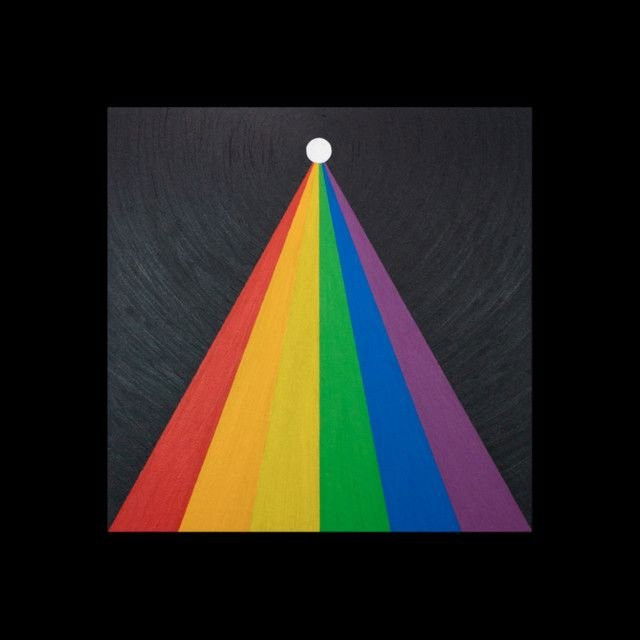
The Table by Emmit Fenn
A few images—home, walls, bottles, a table—carry a surprising weight in Emmit Fenn’s “The Table.” With minimal lyrics and a hushed delivery, they turn a private fracture into a clear picture of hurt and hope. This guide walks through the meaning of The Table Emmit Fenn and shows how its quiet sound deepens the story.
"The Table" - Emmit Fenn
You took it away
And built all these walls
Loading lyrics...
Unable to load lyrics
We're unable to display the lyrics at this time. Please try again later.
I had a home You took it away
Heart on the Table: What the Song Confronts
At its core, the song captures a one-sided relationship. The narrator offers love and presence—“I gave you love,” they say in spirit—while their partner makes withdrawal the rule. When the singer repeats that they sat at the table
and kept waiting for a spark
, they describe a long pause where repair should happen.
Interpretation: The table symbolizes a place for honesty—like a kitchen table where hard talks happen. In this story, the table is set, but the conversation never starts. The result is grief that feels both raw and restrained.
Watch the official The Table
music video
Who’s Speaking—and Why It Hurts
The song uses first-person address to a specific “you.” Lines about built all these walls
point to emotional control: the other person sets boundaries, then orders the singer to stay inside them. Meanwhile, the narrator keeps offering love straight from the heart
, which underscores how unequal things have become.
Interpretation: They are not only mourning a lover; they are mourning a home—the feeling of safety and belonging that the partner has “taken away.” That’s why the pain sounds deeper than a simple breakup. It’s a loss of place and self.
From Walls to Waiting: The Short Timeline
The lyrics sketch a clear sequence:
- A safe world exists, then vanishes (“home” is claimed, then removed).
- Barriers go up—
built all these walls
—and the partner enforces them. - Damage follows: bottles are broken, hinting at recklessness or a fight.
- The narrator chooses patience, returning to the same space—the
table
—and keepswaiting for a spark
that never arrives.
Each beat tightens the loop: construction of distance, an act of harm, then another round of quiet hope.
The Refrain as a Quiet Ultimatum
The closing mantra—Don't you forget about it
—works two ways. On one level, it’s a plea: remember what we had and what I gave. On another, it’s a warning: do not erase this pain or my effort. The repetition turns soft words into resolve. They won’t shout, but they will not be erased.
Interpretation: The refrain reframes the song from pure lament to boundary-setting. Even as they wait, they mark the moment so the other person can’t rewrite it later.
Symbols Decoded: Home, Walls, Bottles, Spark, Table
Home: A stand-in for trust and identity. Losing “home” is losing stability.
Walls: Not healthy boundaries, but barricades. The phrase built all these walls
suggests intentional separation, then control.
Bottles: When the bottles are broken “with a grin,” the image hints at careless cruelty, self-destruction, or both. It adds menace to the setting.
Spark: The smallest unit of renewal. By waiting for a spark
, the narrator is not asking for perfection—just a beginning, any sign of warmth that could grow.
Table: A meeting ground. In families, it’s where problems are aired; in romance, it’s where truth can be set down. Here, the table holds their patience, not the other person’s participation.
How the Sound Makes the Hurt Linger
Fenn’s production often favors sparse piano, gentle synth beds, and roomy vocals. This track follows that minimalist approach. The quiet mix gives every syllable air, as if the singer is alone in a dim kitchen at midnight. Subtle low-end and soft percussion feel like a slow heartbeat—steady, searching.
Interpretation: The restraint is the message. Instead of a big chorus, the song leans on space and repetition, mirroring the wait at the table. Tiny swells of harmony rise like that hoped-for spark, but they fade back, telling us the meeting never truly happens.
Alternate Readings That Still Fit
- Addiction lens: The broken bottles and walls could reflect substance use and secrecy. Under this read, the table becomes the site of repeated attempts at intervention.
- Emotional abuse lens: The partner removes safety, imposes control, then mocks the damage. The mantra at the end becomes documentation—proof the harm was real.
Interpretation: Both readings share the same core—the singer brings love and presence; the other side refuses to meet them. That’s the lasting wound.
They leave us with a picture more than a plot, which is why the meaning of The Table Emmit Fenn feels so universal: anyone who has waited for a small sign of care knows this scene.
Disclaimer: This analysis reflects interpretive reading of the lyrics and production. Listeners may reasonably hear different nuances based on their own experiences.









