Why “Free Your Mind” Still Hits Hard
The meaning of Free Your Mind En Vogue is direct, but it is not simplistic. The song attacks snap judgments: about race, gender, class, style, and who gets treated as suspicious before they even speak. En Vogue turn everyday prejudice into something listeners can hear, feel, and question.
"Free Your Mind" - En Vogue
Like it hear it? Here it go
Free your mind
Loading lyrics...
Unable to load lyrics
We're unable to display the lyrics at this time. Please try again later.
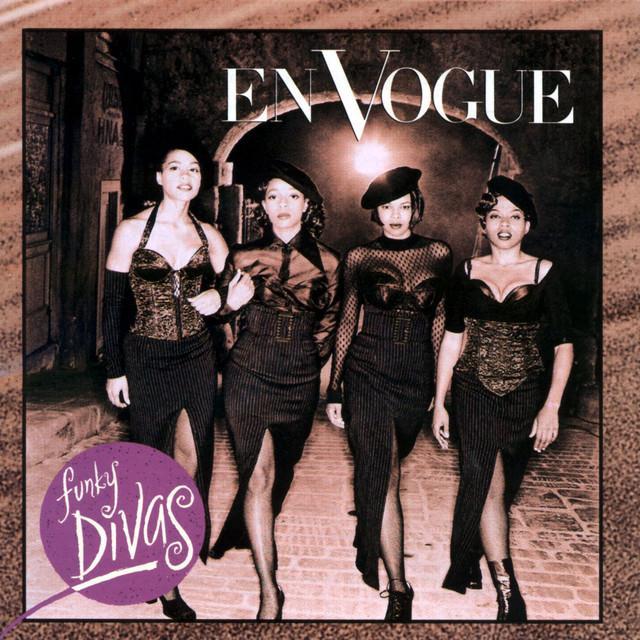
Released in 1992 on Funky Divas, the song became one of the group’s boldest crossover moments, mixing R&B harmonies with hard rock edges. According to the Rock & Roll Hall of Fame, En Vogue were central to early 1990s vocal-group pop and R&B. Here, they used that platform to make a social statement without losing mainstream appeal.
A Protest Song Dressed Like a Pop Hit
At its core, the song is about prejudice in daily life. The verses list assumptions people make based on clothes, hair, music taste, race, and money. Instead of describing one dramatic event, the song builds its point through common situations many people recognize: being profiled, judged, or reduced to a stereotype.
That is why the opening feels so blunt. The song names prejudice
right away. There is no puzzle to solve in the setup. En Vogue want listeners to face the issue head-on, then notice how often shallow thinking shapes social behavior.

Watch the official Free Your Mind
music video
How the Verses Expose Stereotypes
The first verse moves through a chain of false conclusions. A woman’s style gets mistaken for sexual availability. Her music taste gets tied to criminality. Her hair and interracial dating choices get treated as proof that she is disloyal to her identity. Each line shows how prejudice works by skipping over the actual person.
One of the song’s smartest ideas is that these judgments come from different directions. Some assumptions are racist. Some are sexist. Some come from within communities policing each other. That makes the song broader than a simple call for tolerance. It is about the habit of reducing people to signals and labels.
The Store Scene Matters
In the second verse, the focus shifts to money and surveillance. A Black woman paying with cash is treated as suspect, and shopping becomes a kind of interrogation. The complaint is not only about one rude clerk. It is about a system where some people are watched before they act.
That is why the line about being watched lands so hard. The song captures the exhaustion of moving through public spaces while already being misread. The problem is not misunderstanding alone. It is power: who gets trust by default, and who has to earn basic dignity.
What the Chorus Really Demands
The chorus turns the song from description into command. When En Vogue sing Free your mind
, they are not offering vague self-help. They are demanding mental change before social change. In other words, unfair behavior starts with lazy perception.
The next phrase, don’t be so shallow
, sharpens the point. The target is surface reading: judging race, clothing, hair, or attitude before understanding context. Interpretation: the chorus suggests that bias is not always loud hatred. Sometimes it is quick, casual, and socially accepted, which makes it even harder to challenge.
Before you can read me,you've got to learn how to see me
This is the emotional center of the song. It draws a line between reading and seeing. Reading means assuming, decoding, projecting. Seeing means recognizing a full human being.
Why the Sound Feels So Confrontational
Part of the meaning of Free Your Mind En Vogue comes from its production. Rather than staying in sleek R&B, the track leans on distorted guitar, a hard backbeat, and a forceful vocal attack. That rock-driven sound gives the message a public, almost rally-like quality.
On an album full of stylish vocal performances, this song sounds intentionally tougher. It refuses softness where softness might weaken the critique. The arrangement says that prejudice is not a private misunderstanding to discuss politely. It is a social problem worth confronting out loud.
This approach also helped the song cross genre lines. As noted in the album’s AllMusic review, Funky Divas pushed En Vogue into bolder sonic territory. That matters because the song’s anti-prejudice message is strengthened by a style that itself crosses expectations.
More Than “Be Color Blind”
Today, some listeners may pause at Be color blind
. In current conversations, that phrase can sound limited because it may ignore lived differences instead of respecting them. In 1992, though, the phrase worked as a plainspoken rejection of racial bias in mass-market pop.
Interpretation: the deeper message is not that identity should disappear. It is that identity should not trigger automatic disrespect. The song’s own verses make that clear, because they name real differences in appearance, taste, and background while arguing those differences should not decide a person’s worth.
Why It Still Connects
The song remains relevant because the situations it describes still happen. People are still profiled in stores, judged by clothing, stereotyped by music, and questioned for crossing racial or cultural lines. En Vogue describe these pressures in simple language, which is part of why the song has lasted.
Just as important, they sound energized rather than defeated. Even when the lyrics describe bias, the performance pushes back with confidence. That defiant tone keeps the song from becoming only a complaint. It becomes a challenge.
The Lasting Takeaway
The meaning of Free Your Mind En Vogue is that prejudice begins in habits of perception and spreads into everyday treatment. The song argues that freedom is not only political or personal. It is mental: letting go of the shallow scripts used to classify other people.
That message still feels sharp because En Vogue do not ask for pity. They ask for better vision.
Disclaimer: This interpretation blends widely accepted context with close reading of the lyrics and sound. Like all song analysis, some meanings remain open to listener perspective.








