Why "Sumiregusa" by Enya Feels So Timeless
The meaning of Sumiregusa Enya starts with something small: a flower. But this song is not only about a wild violet. It is about how brief moments in nature can carry deep feeling, and how beauty can be gentle, sad, and joyful at the same time.
"Sumiregusa" - Enya
Murasaki iro no hana
Haru no hana
Loading lyrics...
Unable to load lyrics
We're unable to display the lyrics at this time. Please try again later.
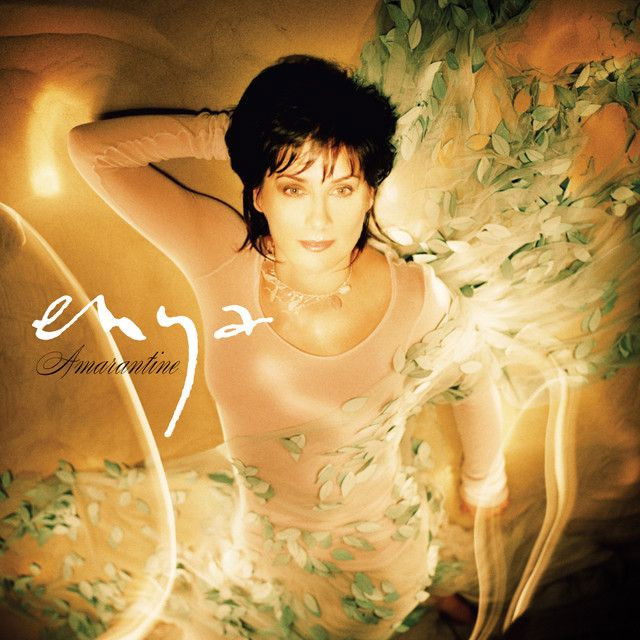
Released on Amarantine in 2005, "Sumiregusa (Wild Violet)" stands out in Enya’s catalog because they sing in Japanese and build the lyric from imagery linked to classical Japanese poetry. According to Songfacts, the song draws on a haiku by Matsuo Basho and was also used in Panasonic ads in Japan. Those facts matter because they frame the song as a bridge between Enya’s usual dreamlike style and a specifically Japanese idea of emotional beauty.
A Small Flower, A Big Feeling
At its core, the song reflects on the passing beauty of the natural world. The translated lyric moves through flowers, snow, leaves, wind, birds, sea, mountains, and stones. Rather than telling a story with characters, it creates a mood through a chain of images.
That is why the phrase mono no aware
is so important. Before the lyric names the flower, it introduces an old Japanese idea often described as the sadness or poignancy of things. In simple terms, it means people feel beauty more strongly because they know it will not last.
So when the song mentions a purple flower
, it is not just describing color. It points to a passing moment that becomes precious because it is fragile. The wild violet becomes a symbol of fleeting life, memory, and attention.

Watch the official Sumiregusa
music video
How the Images Build the Meaning
The lyric does not argue a point. It places natural details beside one another and lets feeling grow from contrast. Spring appears next to winter snow. Green leaves shift into autumn color. The sea can be sad and joyful.
The voice of the wind
The song of birds
A sad sea
A joyful sea
This short passage shows how the song works. It hears nature as alive and expressive, but not in a literal way. Interpretation: they present the world as a mirror for human emotion. Wind and birds suggest motion and music, while the sea holds opposite feelings at once.
That emotional doubleness is central to the meaning of Sumiregusa Enya. Beauty is not cheerful in a simple way. It carries tenderness, loss, calm, and wonder together.
Why Japanese Matters Here
One reason the song feels so special is its language. Enya rarely records in straightforward pop English, and here they sing entirely in Japanese text adapted from poetic material. That choice changes how many listeners hear the song.
For English-speaking audiences in the United States, the words may first register as sound before meaning. That is part of the effect. Even without understanding every line, listeners can feel the softness of the vowels and the slow rise and fall of the melody.
Factually, Songfacts notes that the song is based on a Basho haiku and sung in Japanese. That connection matters because Basho is one of Japan’s most famous poets, known for compressing large emotion into very few words. Enya, Roma Ryan, and Nicky Ryan keep that spirit. They do not explain nature; they let it appear.
The Sound Turns Reflection Into Atmosphere
The production also deepens the song’s meaning. Enya’s work with Nicky Ryan as producer is known for layered vocals, spacious reverb, and arrangements that seem to float. "Sumiregusa" uses that familiar sound, but in a more delicate way than some of their bigger singles.
There is no heavy beat pushing the song forward. Instead, keyboards, soft harmonies, and a slow tempo create stillness. That stillness supports the lyric’s attention to small details. A song about a wild violet would lose power if it were loud or busy.
Interpretation: the arrangement invites the listener to pause and notice. It copies the act of contemplation. Just as the lyric stops to see a flower, the music stops to let silence and tone matter.
Artist Context Helps Explain the Emotion
Enya’s music often circles around memory, distance, landscape, and spirituality. Even when their songs are not overtly religious or narrative, they tend to search for peace in places that feel older and larger than ordinary life.
"Sumiregusa" fits that pattern well. The song is less about plot than perception. It asks listeners to experience nature not as background scenery but as something emotionally alive. That also explains why it worked in Japanese advertising: its mood is elegant, calm, and visually rich without being tied to one literal storyline.
At the same time, this is not only a "pretty" song. The phrase how they fall
quietly reminds listeners that every season changes and every bloom fades. The song’s beauty depends on that truth.
Two Strong Readings of the Song
Reading One: A Meditation on Impermanence
This is the clearest reading. The song gathers seasonal images to show that life is always moving. Flowers bloom, snow falls, leaves turn, and even joy carries a shadow of loss. In this view, the meaning of Sumiregusa Enya is about accepting change with tenderness.
Reading Two: A Quiet Spiritual Practice
Interpretation: the song can also be heard as a form of listening or prayer. The attention to wind, birds, sea, and mountains feels almost devotional. Nothing is preached, yet the song suggests that wonder itself can be sacred.
Why the Song Still Connects
Many songs tell listeners what to feel. "Sumiregusa" does something rarer: it makes space for feeling. Its images are simple, but they open into something larger. The wild violet is one flower, one instant, one glimpse. Yet it stands for the whole emotional weight of passing time.
That is why the song remains moving. It trusts that a small image can hold a large truth.
Disclaimer: This interpretation is based on the released lyric, translation, and documented song context. As with all art, listeners may hear different meanings in "Sumiregusa."








