Why 'Ship of Fools' Hits So Hard
The meaning of Ship of Fools Erasure comes down to a painful mix of innocence, confusion, and emotional damage. On the surface, the song floats on soft synth-pop beauty. Underneath, it tells a sad story about someone watching another person act blindly, and suffering because of it.
"Ship of Fools" - Erasure
My head is spinning (Spinning)
The flowers and the trees are encapsulating me
Loading lyrics...
Unable to load lyrics
We're unable to display the lyrics at this time. Please try again later.
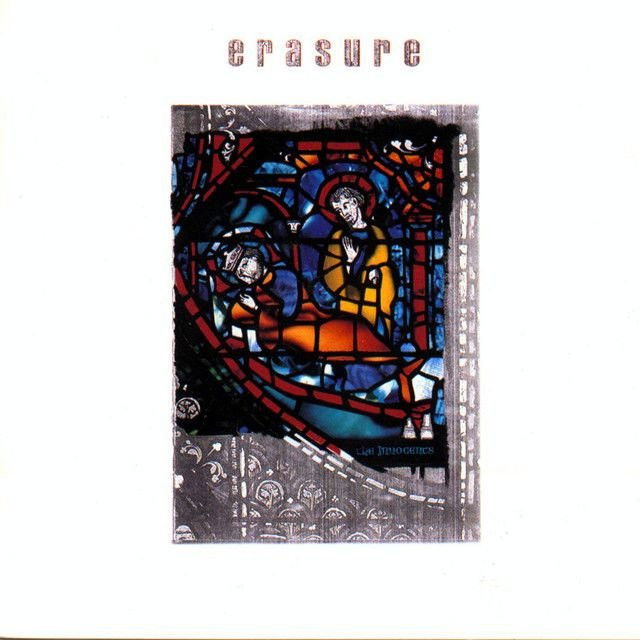
Released on 22 February 1988 as the lead single from The Innocents, the track marked a notable shift for Erasure. It was written by Andy Bell and Vince Clarke, produced by Stephen Hague and Dave Jacob, and became the duo's fourth UK Top 10 hit, reaching No. 6 on the UK Singles Chart. Critics at the time noticed that it showed a more dramatic and tender side of the group than their brighter dance material.
A Sad Song About Blindness, Not Stupidity
At the center of the song is a speaker who feels overwhelmed by another person's behavior. The opening image of a spinning world suggests emotional disorientation, not just romance. When the narrator says their head and world are spinning, they seem trapped inside someone else's chaos.
The title image, ship of fools
, is an old metaphor for people moving together toward trouble without wisdom or self-awareness. In this song, that image feels personal. It is not just about society being lost. It is about two people, or maybe a whole circle of people, drifting into hurt because nobody fully understands what they are doing.
Interpretation: The song does not mock its characters. It mourns them. The repeated question about why life is both precious and cruel turns the song from simple heartbreak into something larger and more philosophical.

Watch the official Ship of Fools
music video
The "Baby of the Class" Image
One of the song's most striking ideas is the repeated description of someone as the baby of the class
. That phrase suggests youth, emotional immaturity, or even innocence that has not learned how consequences work yet.
The lyric about basic arithmetic, paraphrased as someone who does not even grasp the simplest facts, is not really about school. It shows a person who is unready for adult emotional life. They may be sweet, vulnerable, and lost at the same time.
so young and so uncertain
oh what a poor soul
That brief passage captures the song's sympathy. The narrator sounds hurt, but they also pity the person causing the pain. That blend matters. The song's emotional power comes from refusing to turn the other person into a villain.
Who They Seem to Be Singing To
The verses move between "he" and "you," which creates an intimate blur. At first, the song sounds like it is describing someone from a distance. Then it moves closer, as if the narrator can no longer hide behind observation.
That shift helps explain the meaning of Ship of Fools Erasure. The speaker may be trying to understand a lover, friend, or damaged young person who acts carelessly without meaning to. The phrase what you're doing to me
makes the wound direct, but the song still avoids anger.
Interpretation: This could be a relationship song about loving someone too immature to handle love. It could also be about watching innocence collide with reality, where nobody intends harm but harm still happens.
Why the Chorus Feels So Big
The chorus expands the song's scope. Instead of staying inside one private heartbreak, it asks a broader question about human life. The line about life being precious and so cruel
is simple, but it gives the track its lasting weight.
That is why the chorus lands so strongly. It reframes the verses as part of a universal problem: people are fragile, loving, confused, and often careless. They drift together, hoping for safety, even while hurting each other.
In that sense, the ship is not only a doomed vessel. It is a picture of ordinary human life. Everyone is aboard.
How the Music Deepens the Meaning
Musically, this is one of Erasure's most elegant early singles. Erasure were already known for Vince Clarke's sharp pop writing and synth hooks, but this track softens the pulse and leans into a dramatic, almost orchestral style. Contemporary reviews singled out its melodic richness and "swirly strings," while later critics described it as a ballad-like turn that showed artistic growth.
That production choice matters. The song does not race forward like a club anthem. It sways. The arrangement mirrors the lyrics' dizziness and sadness. Synths bloom in wide, floating layers, while Andy Bell's vocal sits in a lower, gentler register than on some earlier hits.
Even if some reviewers preferred Bell's higher range, the lower tone suits the song. It sounds weary, compassionate, and reflective. Rather than belting for release, they sing as if they are trying to steady themselves in rough water.
Artist Context: A Different Side of Erasure
By 1988, Erasure had already built a strong synth-pop identity, but "Ship of Fools" stood out because it revealed more vulnerability. It arrived as the lead single from The Innocents, an album that helped define their commercial peak and broadened their emotional palette.
That context helps the song's meaning. A duo famous for bright electronic pop chose to lead with something slower, sadder, and more layered. The contrast made listeners hear Bell and Clarke differently: not just as makers of catchy singles, but as artists willing to hold grief and tenderness inside a pop frame.
Final Reading: Compassion on a Sinking Boat
The best way to hear the song is as a lament for people who do not know enough yet to stop causing pain. The narrator is dizzy, wounded, and emotionally trapped, but they are also deeply compassionate. They see foolishness, yet they also see innocence.
That is the real meaning of Ship of Fools Erasure: life can be beautiful and devastating at once, and people often hurt one another while still deserving pity. The song turns that contradiction into a graceful synth-pop ballad.
This interpretation is based on the song's lyrics, recording context, and public reception. As with any great pop song, listeners may hear different meanings in it.










This is about being gay and the mistreatment and terrible attitudes that many had toward him as a young ‘innocent’ actually naive. Excellent somg drom excellent album. Actually been Listening to this a Bunch lately, as i used to when it came out in ‘87-88. Huge fan of theirs. When you have former Depeche mode and yaz member plus andy bells amazing voice cant go wrong!