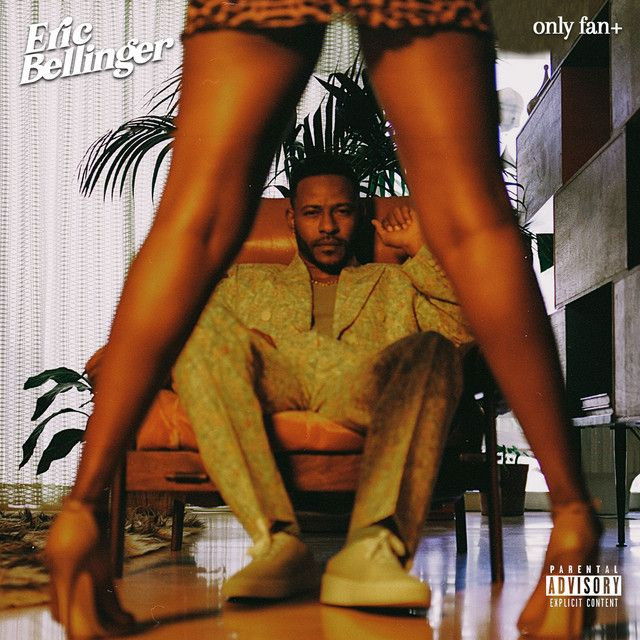
Only Fan by Eric Bellinger Meaning Explained
The meaning of Only Fan Eric Bellinger comes down to a modern love dilemma: how do they ask for intimacy in a world built on visibility, likes, and attention? The song turns internet language into romantic language. What sounds playful at first becomes a real tension between care and control.
"Only Fan" - Eric Bellinger
Oh, ohh, whoa
Yeah, yeah
Loading lyrics...
Unable to load lyrics
We're unable to display the lyrics at this time. Please try again later.
Eric Bellinger has long worked in sleek, conversational R&B, both as a solo artist and as a songwriter for major acts, a career documented by sources like GRAMMY.com and AllMusic. In "Only Fan," they use that same easy style to talk about exclusivity, self-worth, and digital overexposure.
What the Song Is Really Saying
At its core, the song is about someone who wants to be enough for the person they love. The hook makes that clear with the phrase only fan
. Before and after that line, the song explains that they are not asking for money, status, or public attention. They want time, closeness, and emotional access.
But the song is not just sweet. It also carries jealousy. When the narrator says others cannot subscribe to you
, they are reacting to the idea of public access. The loved person is seen as desirable, visible, and maybe emotionally distant. The narrator responds by asking for a private kind of devotion.
Interpretation: This makes the song less about one app or platform and more about modern relationships. It asks whether love can stay personal when attention has become public currency.

Watch the official Only Fan
music video
The Push and Pull Between Care and Control
One reason the lyrics stand out is that they balance admiration with possessiveness. The narrator praises the woman as special and says they see the best in her. They also claim they do not need money from her, repeating that they just want time.
Still, some lines complicate that tenderness. When they say she is too priceless
to be sold, the idea sounds protective, but it also suggests they are judging how she presents herself. Another revealing moment comes when they mention a problem with commitment
. That line shifts the song from flirtation into emotional diagnosis.
So the song does two things at once:
- It offers reassurance and praise.
- It tries to set limits on how she should move through the world.
Interpretation: That tension is the point. The song captures a real kind of romance in which devotion can sound loving and possessive at the same time.
How the Verses Build the Story
The first verse sets the main conflict. The narrator wants exclusivity and frames their offer as simple: time over money, connection over exposure. That is the emotional sales pitch of the song.
The next section deepens the portrait. They suggest the woman has been hurt before, now keeps distance, and may use public attention to cover private disappointment. When the song references likes and all the mentions
, it points to a world where validation is always available but never fully satisfying.
Then the advice arrives. The narrator tells her to slow down, stop rushing, and avoid a path with no clear destination. That imagery matters because it turns fame and visibility into a kind of speeding car. Fast movement feels thrilling, but it may also be dangerous.
Why the Hook Feels So Catchy
The chorus works because it is simple, current, and emotionally direct. The title phrase is clever wordplay, but Bellinger does not leave it as a joke. He builds a full emotional argument around it.
I won't let that slide
They can't subscribe to you
Those short lines show the hook's emotional logic: jealousy first, exclusivity second. The narrator hears public access as a threat to private love.
Interpretation: The chorus is catchy because it translates a very old feeling—wanting someone all to yourself—into the language of the creator economy.
Sound, Mood, and Delivery
The production supports that message by staying smooth rather than harsh. Even without confirmed producer credits in the provided information, the track reads as contemporary R&B: melodic vocals, a relaxed groove, and a polished, intimate atmosphere. That matters because the softness of the sound makes the possessive parts feel persuasive instead of confrontational.
Bellinger’s vocal approach also helps. They sing with warmth, not panic. That choice keeps the song between seduction and concern. If the performance were more aggressive, the lyrics could feel much more controlling. Instead, the light touch gives the narrator room to sound vulnerable.
Symbols Hidden in Plain Sight
Several motifs carry the song’s meaning:
Screens and attention
Words tied to online culture suggest that desire is now measured in views, comments, and access. Love competes with visibility.
Time versus money
The repeated idea that they do not want payment draws a line between affection and transaction. The narrator wants real presence, not a purchased connection.
Speed and direction
The image of moving too fast without a destination suggests that chasing attention can become empty motion.
Final Take on the Meaning of Only Fan Eric Bellinger
The meaning of Only Fan Eric Bellinger is not just that someone wants exclusivity. It is that they want exclusivity in a culture where everyone is being watched, rated, and reached. The song turns that modern pressure into an R&B confession.
Its smartest move is that it never fully resolves whether the narrator is simply devoted or a little too possessive. That ambiguity gives the song its bite. They sound caring, but they also want control over who gets access.
That mix of sweetness, insecurity, and digital-age jealousy is what gives "Only Fan" its real meaning.
Disclaimer: This interpretation is based on the lyrics provided and publicly known artist context. Song meaning can remain open, and listeners may reasonably hear the track differently.









