Why "Cocaine" Sounds Cool but Warns You
The meaning of Cocaine Eric Clapton often gets misunderstood because the song sounds so relaxed, catchy, and easy to sing along with. On the surface, it seems to list reasons someone might turn to the drug. But the deeper point is darker: the song shows how cocaine gets framed as the answer to every feeling, every problem, and every empty moment.
"Cocaine" - Eric Clapton
If you want to get down, down on the ground, cocaine
She don't lie, she don't lie, she don't lie
Loading lyrics...
Unable to load lyrics
We're unable to display the lyrics at this time. Please try again later.
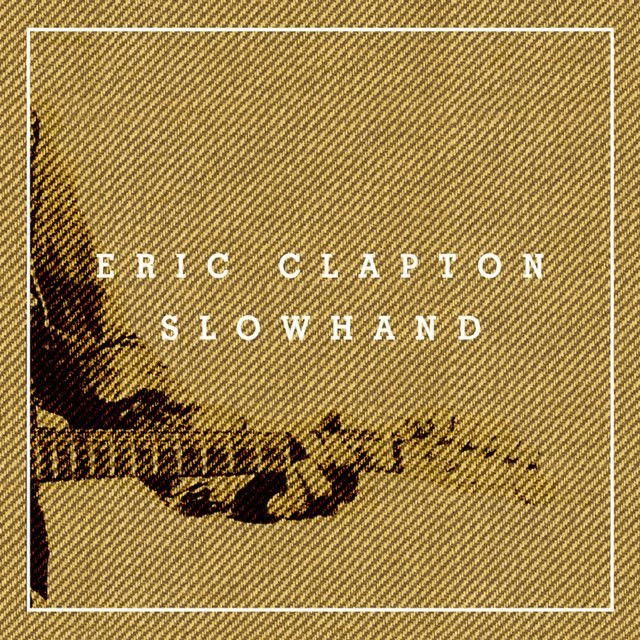
Written by J.J. Cale and popularized by Eric Clapton on the 1977 album Slowhand, the track became one of Clapton’s signature songs. That popularity also created confusion. Some listeners heard celebration. Others heard warning. Both reactions make sense, because the song is built around irony.
A Hook That Acts Like a Trap
The song’s structure is simple on purpose. In each verse, a situation comes up: wanting fun, wanting escape, wanting relief, or wanting motion after a hard day. Then the same answer appears: cocaine
.
That repetition matters. Rather than building a rich story with characters and scenes, the lyric keeps narrowing life into one reflex. If someone wants to hang out, shake off pain, or outrun bad news, the drug becomes the default response. Interpretation: the song is not praising that mindset so much as exposing how shallow and automatic it is.
The most telling warning appears when the lyric says you can't get it back
. That line breaks the pattern of easy temptation. Suddenly, there is a cost. Time, control, health, money, and maybe even a sense of self can be lost.
Watch the official Cocaine
music video
Why the Chorus Feels So Misleading
The most debated line is she don't lie
. Taken alone, it can sound approving, almost admiring. But in context, it works more like a cold truth. The drug does exactly what it promises in the short term: stimulation, numbness, speed, escape.
That is why the line is unsettling. It suggests that cocaine is brutally honest about its function. It will alter the mood, but it will not care what happens next. Interpretation: the phrase sounds seductive because addiction often speaks in simple, convincing language.
If you got bad news
you want to kick them blues
Those lines show the song’s central idea in miniature. It links pain directly to a quick fix. The lyric does not explore healing, patience, or support. It jumps straight to chemical escape, which is exactly what makes the song feel critical rather than comforting.
J.J. Cale’s Writing, Clapton’s Spotlight
A key fact often gets lost: Clapton did not write “Cocaine.” J.J. Cale did. Cale’s songwriting style was famously spare, dry, and understated, and that minimalism is all over this track. He often left space for listeners to notice the tension between a calm surface and a troubling subject.
Clapton later explained in an Rolling Stone interview that he saw the song as anti-cocaine, and in live versions he sometimes added an extra line to make that point clearer. That context does not erase the ambiguity in the studio version, but it does help frame the song’s intent.
How the Sound Hides the Sting
Part of the song’s power comes from its groove. The riff is smooth, bluesy, and almost casual. The tempo never panics. Clapton’s vocal delivery is cool and controlled. Nothing in the arrangement screams danger.
That contrast is the whole trick. The music feels attractive in the same way the drug is described as attractive. The band does not perform chaos; they perform temptation. The result is a song that lets listeners feel the pull before they fully notice the warning.
Production and Mood
The recording, produced by Glyn Johns, is clean and roomy rather than crowded. That gives the guitar line a lot of breathing room. Instead of sounding frantic, the track glides.
This matters for meaning. A harsh, dissonant arrangement would have made the message obvious. But “Cocaine” works by sounding easy, even pleasurable. Interpretation: the smoothness reflects how dangerous choices often arrive dressed as convenience.
What the Verses Are Really Doing
The verses move through a small cycle of need:
- Social desire: wanting to
hang out
. - Emotional relief: wanting to escape bad feelings.
- Restlessness: wanting to keep moving when the day is over.
- Consequence: realizing something may be gone for good.
That pattern shows escalation. First the drug appears social, then emotional, then habitual. By the time the warning arrives, the listener has already heard the answer repeated so many times that it sounds normal. That normalization may be the song’s sharpest critique.
Why People Still Debate the Song
The meaning of Cocaine Eric Clapton stays debated because the song refuses to moralize in a loud way. It does not preach. It demonstrates. That subtle approach is effective, but it also opens the door to misreading.
There are two main interpretations:
- Interpretation 1: It is an anti-drug song that shows how addiction turns one substance into the answer for everything.
- Interpretation 2: It captures the seductive logic of drug culture so well that some listeners hear glamor instead of critique.
Both readings come from the same design: a catchy hook, a flat tone, and a lyric that withholds judgment until the damage peeks through.
The Lasting Meaning Behind the Song
In the end, “Cocaine” lasts because it understands a hard truth: dangerous habits rarely introduce themselves as danger. They show up as relief, energy, fun, or a way to get through the night. By repeating one answer to every human problem, the song reveals how empty that answer really is.
That is why the track remains compelling. It is not just about a drug. It is about temptation becoming routine, and routine becoming loss.
Disclaimer: This interpretation is based on the lyrics, recording context, and public comments, but song meaning can remain open to individual listeners.








