What ‘I Shot the Sheriff’ Means in Clapton’s Hands
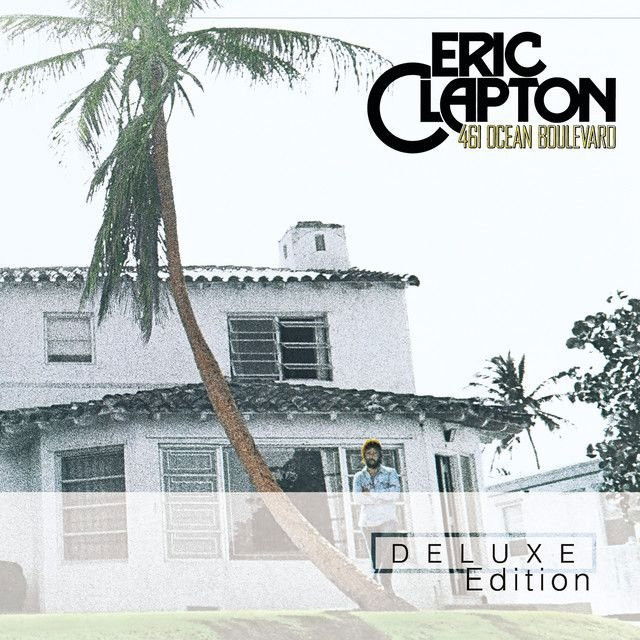
The meaning of I Shot The Sheriff Eric Clapton starts with a key fact: Eric Clapton did not write the song. Bob Marley wrote and first released it in 1973 on Burnin', and Clapton turned it into a major crossover hit in 1974 on 461 Ocean Boulevard. That matters because the song carries Marley’s protest spirit even when Clapton’s version softens it into a smoother, radio-friendly groove.
"I Shot The Sheriff" - Eric Clapton
I shot the sheriff, but I did not shoot no deputy
All around in my home town
Loading lyrics...
Unable to load lyrics
We're unable to display the lyrics at this time. Please try again later.
At its core, the song tells a tense story of a narrator hunted by authority, admitting one killing while denying another. The famous hook, I shot the sheriff
, is not presented as random violence. It is framed as a targeted act under pressure, while the repeated denial about the deputy pushes the listener to ask what really happened and who controls the story.
A Story About Power, Not Just Crime
On the surface, the plot is simple. A man is accused, chased, and forced to explain himself. But the emotional center is bigger than a crime tale. The sheriff stands for abusive authority, and the singer sounds trapped in a system already ready to condemn him.
Bob Marley himself explained the idea in direct political terms, saying he wanted to say he shot the police, but changed it to sheriff because the government would have made a fuss; he added that it was still about “justice.” That statement, widely cited in coverage of the song, supports the view that this is a protest song as much as a narrative one.
The narrator’s defense
The chorus works like testimony. The singer confesses one act and rejects another charge. That split is crucial. By insisting did not shoot no deputy
, the narrator tries to hold onto moral ground, even after crossing a line.
Interpretation: They are not asking to seem innocent. They are asking to be understood. The song lives in the gap between legal guilt and moral justification.

Watch the official I Shot The Sheriff
music video
How the Verses Build the Case
The early lines describe a whole town trying to catch the narrator. That makes the song feel less like a private confession and more like a public manhunt. He is already judged before he can explain himself.
Then comes one of the song’s most revealing ideas: every time he tries to grow something, the sheriff wants to destroy it. The phrase plant a seed
suggests more than farming. It points to growth, freedom, work, and maybe even the right to build a life without interference.
Some writers have also noted a more personal reading tied to Esther Anderson’s later claim about birth control imagery, but that remains one interpretation rather than settled fact. The broader and better-supported reading is still oppression: each attempt to grow is crushed by power.
The Flashpoint: Self-Defense or Revenge?
The turning point comes when the sheriff is said to be aiming to shoot me down
. This detail changes the moral balance. The narrator is no longer just angry; he is under threat.
That is why many readers hear the song as self-defense. American Songwriter described it as a protest and self-defense song, and that fits the lyric sequence well. The narrator claims he fired because the sheriff moved first.
Reflexes got the better of me
And what will be will be
Those lines make the shooting sound immediate, almost instinctive. But they do not erase responsibility. Instead, they show a person trying to explain how fear, pressure, and long-term harassment led to one irreversible act.
Why Clapton’s Version Feels Different
Clapton’s recording keeps the lyric tension but changes the atmosphere. Marley’s original sits firmly in reggae and carries the pulse of Jamaican resistance. Clapton’s cover blends reggae with blues rock, creating a laid-back surface that can make the story sound less militant and more haunted.
That contrast is part of the reason the cover traveled so widely in the United States. Produced by Tom Dowd and Eric Clapton for 461 Ocean Boulevard, the track became Clapton’s only No. 1 hit on the Billboard Hot 100. Its success helped bring Marley’s songwriting to a huge mainstream audience.
Sound as meaning
Clapton’s version matters because the groove is calm while the words are not. The beat rolls forward almost casually, and the guitar stays controlled rather than explosive. That restraint creates irony: the music sounds easygoing, but the narrator is describing pursuit, danger, and death.
Reviewers at the time noticed that balance. Billboard called it a “catchy” winner, while Cash Box highlighted its smooth, bluesy feel. That smoothness can make listeners lean in before they realize how severe the story is.
The Hook’s Lasting Power
The title line is unforgettable because it is both blunt and incomplete. It tells listeners what happened, but not everything they need to judge it. The sheriff is dead, the deputy is not the narrator’s victim, and the town still wants someone to blame.
Interpretation: The unresolved part is the point. The song asks whether official power automatically owns the truth. It also asks whether a person under pressure can commit violence and still make a serious moral claim.
That tension has kept the song alive across decades, from Marley’s original to Clapton’s hit and later interpolations. Clapton’s cover was even inducted into the Grammy Hall of Fame in 2003, showing how deeply the version entered pop history.
Final Take on the Meaning
The meaning of I Shot The Sheriff Eric Clapton is really a meeting of two artists: Marley’s protest writing and Clapton’s crossover performance. The song is about persecution, self-defense, and mistrust of authority. It is also about how a catchy chorus can carry a complicated moral argument.
Clapton’s version does not erase Marley’s political edge, but it reframes it through a gentler, bluesier sound. That makes the song easier to sing along with, yet no less uneasy once the words sink in.
Interpretation disclaimer: Song meanings are not fixed. This reading separates documented facts from interpretation, and other listeners may hear different layers in the song.









