Rock & Roll by Eric Hutchinson
Why This Party Song Is Sharper Than It Sounds
The meaning of Rock & Roll Eric Hutchinson starts with a trick. The song sounds bright, catchy, and easy to sing along with. But under that fun surface, it gives a skeptical look at club life, hookup culture, and the way people try to seem confident when they may actually feel lost.
"Rock & Roll" - Eric Hutchinson
Figuring which club to sneak in
Fancy drinks and fifty dollar cover charge
Loading lyrics...
Unable to load lyrics
We're unable to display the lyrics at this time. Please try again later.
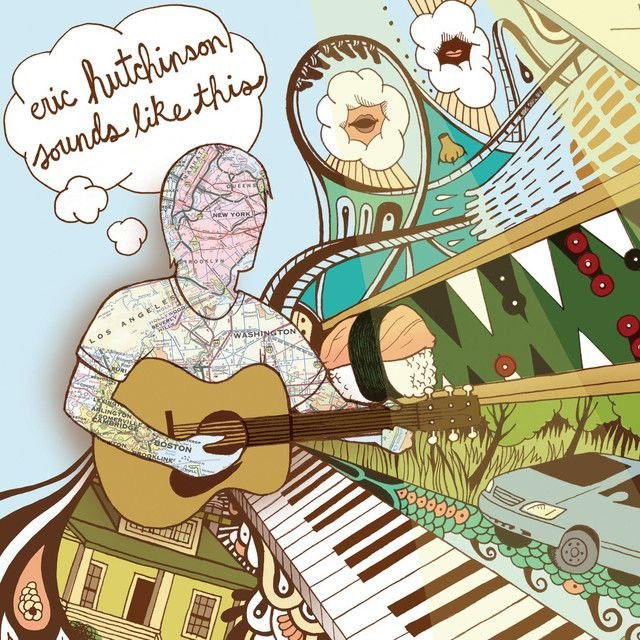
Eric Hutchinson wrote the song early in his career, and it first appeared on That Could've Gone Better in 2003. It was later reissued on ...Before I Sold Out and then Sounds Like This, the 2008 album that helped introduce him to a wider audience. According to Songfacts, Hutchinson said the track is upbeat and catchy, but also “a pretty cynical view” of partying and love. That comment matters because it frames the song as more than a simple weekend anthem.

Watch the official Rock & Roll
music video
The Core Story Beneath the Chorus
At the most basic level, the song follows two people through a night out. One is a man trying to look cool and successful. The other is a woman trying to match a nightlife ideal that everyone around her seems to copy. They drink, pose, and move through the same social routine until they eventually leave together.
The key point is that the song does not present either of them as deeply free. On the surface, they seem self-directed. The chorus says if he wants to rock he rocks
and if she wants to roll she rolls
. That sounds bold and independent.
But the verses tell a less glamorous story. They are both acting inside a script: the right club, the right drink, the right look, the right flirtation. They want control, yet they are also trapped by the scene they are trying to master.
Two Characters, Same Emptiness
The man in the first verse
The man spends his week waiting for the weekend and planning where to go. He worries about getting into the right place and looking like he belongs. References to expensive covers and named beers show how status works in this world.
The song suggests that his charm helps him get by, but not that he is sincere. When the lyric describes him trying to fit in and living large
, it sounds more like performance than pleasure. He wants to project confidence, even if the image is thin.
The woman in the second verse
The woman gets a similar treatment. She is surrounded by beauty standards and social pressure. The song notices her makeup, clothes, and the way other girls want to copy her, yet it also points out how sameness rules the room.
Her section is especially sad because appearance becomes a kind of survival tool. If she ends up alone, the night feels wasted. That idea turns romance into social proof, not real connection.
What the Chorus Really Means
The chorus is the song’s smartest move. It sounds like a celebration of freedom, but it also hints at denial. The repeated idea of doing whatever they want gives the characters a strong pose. Yet the line about feeling in control is the giveaway.
Interpretation: the chorus is not saying they truly are in control. It is showing how badly they need to believe they are. That difference gives the song its bite.
The hook also uses the phrase roll with the punches
, which normally means handling trouble well. Here it suggests nightlife as a series of hits, adjustments, and compromises. They keep moving, not because they are fulfilled, but because stopping might force self-awareness.
If they want to stay they stay
If they want to go they go
In context, this sounds less like freedom than a mantra they repeat to themselves.
A Fast Timeline From Drinks to Disillusion
The song’s story unfolds in a clear arc:
- They prepare for the weekend and build their public image.
- They enter the nightlife scene and play their roles.
- Alcohol speeds everything up, and the mood gets hotter.
- They leave friends behind for a private ending.
- The night ends in bed, with the song hinting that this is not the same as love.
That last turn matters. Near the end, the song says they fall in love
as they fall into bed. The wording is playful, but the joke is obvious. This is not deep love; it is momentary connection, maybe even self-deception.
How the Sound Hides the Cynicism
Part of what makes the song memorable is the contrast between message and music. Hutchinson’s style blends pop, pop rock, and singer-songwriter polish, and this track uses a bouncy rhythm and friendly melody to keep the listener moving. That musical lift can make the lyrics seem lighter than they are.
This is why the song works so well. The arrangement mirrors the nightlife it describes: attractive, energetic, and easy to enter. Only after a closer listen does the sharper commentary come through.
That contrast also fits Hutchinson’s broader appeal. He became known for smart, catchy songwriting, and Sounds Like This helped break him through commercially after an unusual release path that included independent issues, label setbacks, and later momentum with Warner Bros. The song’s long life reflects how well it balances radio-ready sound with a more observant lyric voice.
Artist Context Changes the Reading
A useful detail from Songfacts is that Hutchinson wrote the song before he was old enough to get into bars. That means the track is partly imagined rather than purely reported. Instead of reducing the song’s value, that distance helps explain its tone.
He is not writing like someone dazzled by the club. He is writing like someone studying a scene and noticing its rituals. That outsider angle may be why the song sees both characters with equal irony.
Final Take on the Meaning
So, what is the meaning of Rock & Roll Eric Hutchinson? It is a song about people chasing freedom through nightlife, image, and instant romance, only to reveal how managed and empty that chase can be. It understands the thrill of the weekend, but it does not fully trust it.
The result is a clever pop song with two faces: one for singing along, and one for thinking twice. Interpretation: its real subject is not partying itself, but the performance of confidence in spaces where everyone wants to be wanted.
Disclaimer: This interpretation is based on the lyrics, released context, and publicly available comments from the artist. As with any song, listeners may hear different meanings in it.









