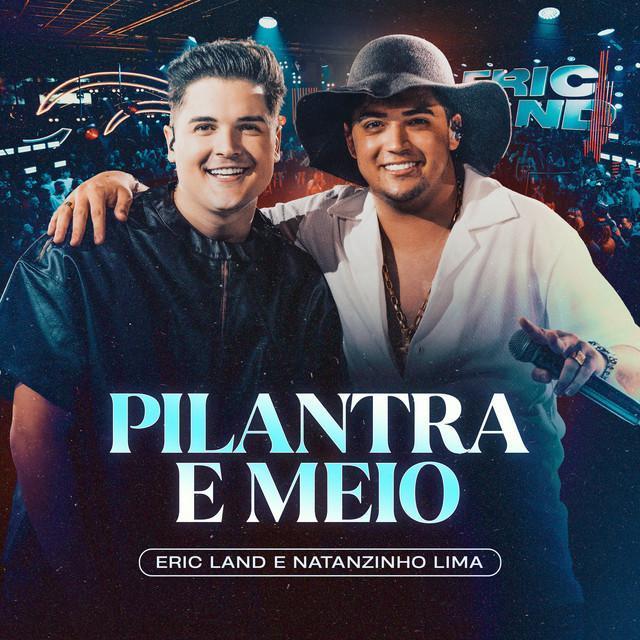
Pilantra e Meio by Eric Land, Natanzinho Lima
A breakup can send someone inward—or straight to the dance floor. The meaning of Pilantra e Meio Eric Land, Natanzinho Lima sits in that charged space where hurt flips into swagger. It’s a party track with a thorn, using humor and speed to mask a sting.
"Pilantra e Meio" - Eric Land, Natanzinho Lima
É diferente de 'tá vivo
Vai segurando
Loading lyrics...
Unable to load lyrics
We're unable to display the lyrics at this time. Please try again later.
What This Breakup Banger Really Says
At its core, the song is about rejection and rebound. The narrator tried to win someone over—Eu tentei mudar
—but realized their partner preferred chaos and nightlife. In response, they make a bold pivot: no more quiet heartbreak. They’ll dive into the same scene and go even harder.
Interpretation: the title phrase pilantra e meio
(roughly “a trickster and a half”) signals outdoing the bad behavior that hurt them. It’s equal parts self‑defense and bravado, turning pain into performance.
Who’s Talking, and to Whom?
The song uses a first‑person voice, aimed squarely at the ex. They call out the ex’s tastes—você gosta de outras coisas
—and name the allure of the vida louca
(wild life). Instead of pleading, the speaker adopts the same persona. The direct address keeps the stakes personal, even as the beat insists on dancing.
How the Story Unfolds, Beat by Beat
- They tried to change to be loved. It didn’t work.
- They realize the ex wants the thrill—parties, loud sound systems, the street.
- They reject suffering and mirror the ex’s style.
- They promise to show up where the action is, kiss carelessly, and become “rueiro.”
Each step escalates from sadness to strategy. When they vow vou virar rueiro
, they claim a street‑wise identity that matches the music’s gritty joy.
The Chorus: A Vow in Neon Lights
The hook seals the pivot from pain to play. The narrator will crash the party, vou beijar umas boca errada
, and be pilantra e meio
. Interpretation: the refrain reframes heartbreak as agency. If love won’t slow down, they won’t either.
Symbols, Slang, and Why They Matter
- Paredão: The lyrics reference big speaker stacks and bass culture by vibe and name. It’s music built to rattle the chest, matching the rush of reckless choices.
- Bagunça/zuada: Mess and noise stand in for the emotional storm post‑breakup. Instead of escaping it, the narrator steps into it.
- Rueiro: Becoming street‑oriented signals toughness and freedom—self‑rebranding after rejection.
- “Wrong mouths”: Reckless kisses are both rebellion and distraction, a quick fix over a deep bruise.
- Live call‑outs: The onstage shouts and city name‑drops make the crowd part of the story, turning private pain into communal release.
Even the opening maxim—living is different from merely being alive—frames the song’s ethic: life is felt, not hidden.
How the Sound Sells the Feeling
This track leans on piseiro/forró grooves: snappy percussion, syncopated kicks, and a low‑end pulse designed for dance floors and truck‑bed parties. Bright toplines and call‑and‑response chants make it hooky. The production feels close‑mic’d and rowdy, as if captured in a packed venue—fitting the way the narrator crashes the mess instead of staying home.
Interpretation: the kinetic rhythm turns spite into movement. It lets the listener act out confidence before they feel it, which is often how healing starts in party music.
Culture and Context: Why It Hits
In Brazil’s Northeast‑rooted pop, flipping heartbreak into humor is a feature, not a bug. Piseiro and forró often mask pain with playful swagger, and this song sits squarely in that lineage. The writers—Claudio Chaves de Sousa Ribeiro and Gabriel Bk—give the hook a conversational snap that’s perfect for sing‑alongs.
The artists’ banter and crowd energy double as proof of life after loss. Hearing a room shout back the chorus turns one person’s rebound into a shared ritual.
Alternate Takes Worth Considering
- Interpretation: It’s playful revenge. The speaker is posturing to get the last word, more about image than healing.
- Interpretation: It’s a coping script. The club becomes a bandage; “being a trickster” is temporary armor.
- Interpretation: It lightly satirizes macho bravado—promising to out‑party an ex is funny because it’s obviously not a long‑term solution.
Each reading works because the lyrics keep things simple and performative, leaving space for attitude.
Takeaway: Dancing Through It Isn’t Denial—It’s Survival
The meaning of Pilantra e Meio Eric Land, Natanzinho Lima lands on a clear message: when love burns you, you can mope or move. This narrator moves. Whether as revenge, reinvention, or both, the song makes catharsis loud, catchy, and proudly messy.
Disclaimer: Song meanings are interpretive. Your own experience may lead to a different reading.









