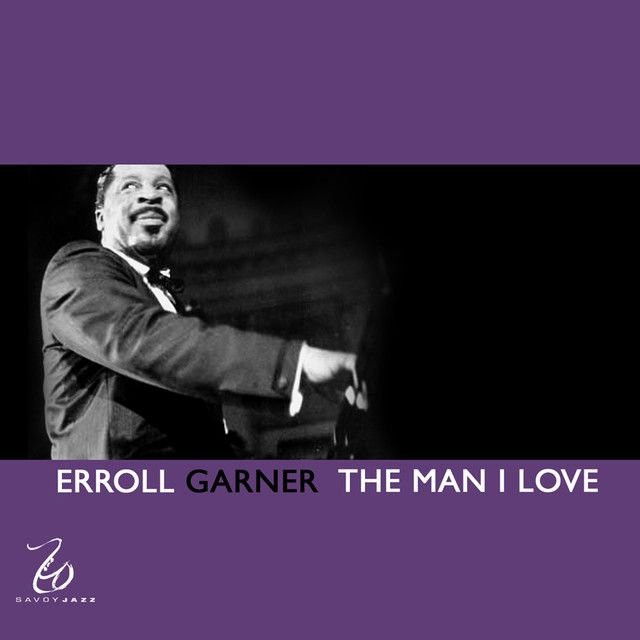
Why “Louise” by Erroll Garner Feels So Tender
The meaning of Louise Erroll Garner starts with a simple idea: deep admiration made to feel intimate and elegant. Even though Erroll Garner is best known as a jazz pianist rather than a singer-songwriter, his approach to a standard like “Louise” turns the song into a mood piece about devotion, longing, and emotional grace.
"Louise" - Erroll Garner
I love you, don't let us part
I love you, I always knew it would be you
Loading lyrics...
Unable to load lyrics
We're unable to display the lyrics at this time. Please try again later.
For listeners in the United States, that matters because Garner often made familiar songs feel personal. According to Britannica, they were celebrated for a lush, orchestral piano style and a strong melodic touch. In “Louise,” that style supports the song’s romantic core rather than overpowering it.
A Love Song Built on Idealization
At its heart, “Louise” is about a speaker who sees one person as completely captivating. The language is direct, but it is also polished and dreamlike. Instead of describing conflict, the song stays focused on attraction and emotional certainty.
That is why the central feeling is not heartbreak. It is hopeful courtship. When the lyric leans on phrases like I love you
and don’t let us part
, it presents love as both joyful and fragile. The speaker is sure of their feelings, but they still fear separation.
Interpretation: this balance gives the song its staying power. It is not only a declaration. It is also a plea for connection to last.
Watch the official Louise
music video
How the Main Lines Connect to the Theme
Several details work together to build the song’s meaning. First, the speaker says they always knew this person would be the one. That gives the romance a sense of fate, not just attraction.
Second, the song highlights specific charms, including lilting laughter
and an Irish heart
. These details matter because they make the beloved feel vivid. The speaker is not in love with an abstract idea. They are enchanted by voice, spirit, and personality.
Peg o'my heart
come make your home
in my heart
This brief passage sums up the emotional movement of the lyric. The beloved is addressed with affection, then invited into a lasting emotional bond. The idea of “home” suggests safety, permanence, and intimacy.
Who Is Speaking, and What Do They Want?
The voice in the song is straightforward: one person speaks lovingly to another. There is no irony, no mystery, and no major twist. That simplicity is part of the song’s charm.
The speaker wants three things:
- To confess love openly.
- To be chosen in return.
- To turn romance into a shared life.
A line like How's chances?
adds a light, almost playful note. It softens the intensity of the confession. Instead of sounding demanding, the speaker sounds hopeful and vulnerable.
Erroll Garner’s Style Changes the Emotional Weight
When discussing the meaning of Louise Erroll Garner, the performance matters as much as the lyric. Garner did not usually rely on words alone. As The National Endowment for the Arts notes in its jazz history materials, they were admired for a rich, swinging piano approach and for making melodies glow.
That is important here because “Louise” works best as atmosphere. Garner’s touch can make a romantic standard feel warm, floating, and slightly nostalgic. Their famous habit of keeping a steady left-hand pulse while the right hand plays freely creates emotional tension: structure underneath, feeling on top.
Interpretation: in a song about love, that contrast mirrors the message. The heart feels overwhelmed, but the desire for lasting commitment remains steady.
Romance, Nostalgia, and Old-World Charm
The song also belongs to an older style of popular songwriting, where romance is expressed with elegance rather than blunt realism. The references to charm and nationality give it a period feel, tied to an era when standards often framed love through idealized images.
That does not mean the song feels fake. It means it is interested in admiration at its most polished. The beloved is almost larger than life, yet the emotions still feel human: longing, excitement, and the wish to belong to someone.
For modern listeners, this can make “Louise” feel nostalgic even on a first listen. It invites them into a world where love is spoken carefully and sincerely.
Alternate Ways to Hear the Song
There is one small complication worth noting. The provided lyric beginning with Peg o'my heart
does not match the standard song title “Louise.” That suggests either mixed source material or confusion between classic standards. Because of that, any close reading should be careful.
Still, two interpretations remain useful:
Interpretation 1: A pure declaration of romantic devotion
In this reading, the song is simply about being swept away by another person’s charm and asking for a future together.
Interpretation 2: A performance piece about mood more than plot
In this reading, the exact storyline matters less than the atmosphere. Garner’s version may resonate because it turns old-fashioned romance into a feeling listeners can inhabit.
Why the Song Still Connects
The meaning of Louise Erroll Garner lasts because it is emotionally legible. People understand the wish to be loved back. They understand what it means to hear another person’s laugh and feel changed by it.
Garner’s gift was making those feelings sound bigger without making them less personal. That is why a standard like this can survive across decades: the lyric offers devotion, and the piano gives that devotion emotional space.
Final Thought on “Louise”
In the end, “Louise” is best heard as a tender portrait of admiration turning into a request for permanence. Its words speak softly, but its emotional goal is large: to turn affection into belonging.
This article offers an informed interpretation based on available lyrics, performance context, and song history. As with many jazz standards, meaning can shift depending on the specific recording and the listener’s own experience.







