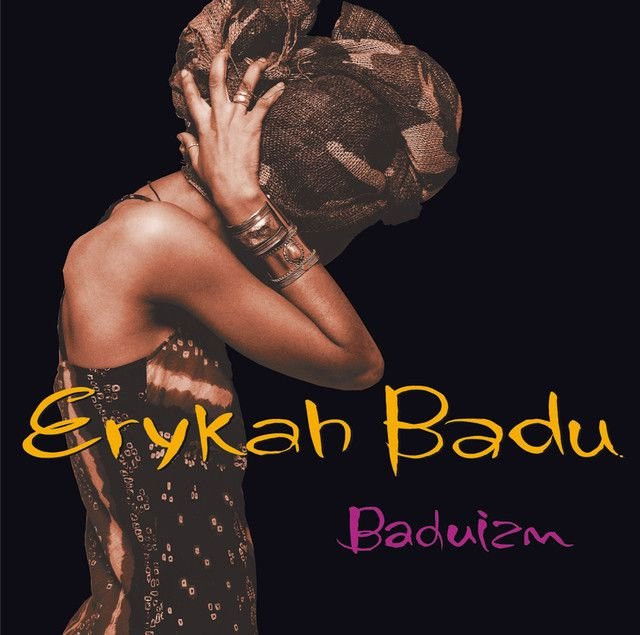
Certainly by Erykah Badu
Why This Song Feels So Firm and So Gentle
The meaning of Certainly Erykah Badu centers on boundaries. On the surface, the song sounds warm, loose, and inviting. But the words draw a line. The singer is speaking to someone who has moved too quickly, assumed too much, and acted as if love gives them the right to reshape another person.
"Certainly" - Erykah Badu
Certainly not me
Who told you that it was alright to love me
Loading lyrics...
Unable to load lyrics
We're unable to display the lyrics at this time. Please try again later.
That tension is the song’s power. Badu wraps a warning inside an easy groove. She is not just rejecting a romance; they are defending autonomy. When the hook repeats Certainly not me
, the point is simple: consent, emotional freedom, and self-definition matter more than anyone else’s plans.

Watch the official Certainly
music video
A Voice Pushing Back Against Possession
The song’s opening question gets right to the issue. The speaker asks who gave this person permission to rearrange me
. That phrase turns love into a kind of redesign project, and the singer refuses it.
This is important because the song does not describe a dramatic breakup. Instead, it captures a subtler problem: someone treating affection like access. The other person may think they are helping, improving, or loving. But the singer hears pressure.
When Badu lists actions like trying to fix me
or control me
, she shows how romance can slide into domination. The pattern matters more than any single action. One kiss might be welcome in the right context. A whole attitude of molding another person is not.
What Happens in the Lyrics
The song unfolds in a few clear beats:
- The speaker rejects unwanted emotional claims.
- They explain they were
not looking for no love affair
. - They describe the other person trying to shape or direct them.
- They answer with a repeated refusal and a claim to independence.
That structure makes the song feel conversational. It sounds like they are correcting someone in real time. The repetition also matters. Every return to the chorus sounds less like confusion and more like certainty.
The world is mine
When I wake up
I don't need nobody
telling me the time
This is the clearest statement of self-rule in the song. The idea is not loneliness. It is sovereignty. The singer wakes up already whole.
The Hook Turns Romance Into a Consent Question
Many love songs ask whether feelings are real. This one asks whether love was invited. That is a big difference.
Interpretation: The repeated refusal suggests that even flattering attention can become invasive when it ignores the other person’s wishes. The song is not anti-love. It is anti-entitlement.
That reading fits the central complaint. The other person does not simply adore the singer. They assume the right to define what the relationship should be. By saying Certainly not me
again and again, the speaker reclaims the authority to name their own feelings.
One Striking Line Changes the Mood
In the middle of the song, Badu introduces the phrase slipped me a mickey
. In everyday language, that image suggests being tricked, drugged, or manipulated without full awareness. Even if listeners take it figuratively here, it darkens the track.
Suddenly, the song is not just about mild annoyance. It is about violated trust. The speaker believes the other person used sneakiness instead of honesty. That makes the earlier references to fixing and molding feel more serious. What sounded controlling now also sounds deceptive.
Interpretation: This line can be read as a metaphor for emotional manipulation—someone charming the singer while quietly trying to gain power over them.
How Erykah Badu’s Style Deepens the Meaning
Badu emerged as a defining voice in neo-soul with Baduizm, released in 1997 by Kedar/Universal. The album helped establish her as an artist who mixed classic soul, jazz phrasing, and hip-hop looseness into a deeply personal style. General album and artist background can be found through major music references such as Britannica and AllMusic.
That context matters for “Certainly.” The production feels relaxed, with a soft pocket and a lived-in groove, but the message is not passive. The contrast is classic Badu. They often deliver sharp observations in a laid-back tone, which makes the listener lean in rather than brace for impact.
The instrumentation supports the message too. The song’s smooth rhythm section, uncluttered arrangement, and intimate vocal style create space around the words. Nothing rushes. That musical patience mirrors the singer’s control. They are not panicking or pleading. They are calmly setting terms.
A Feminine Independence Anthem—Without Slogans
Part of the song’s staying power is how natural it sounds. It does not read like a speech. It sounds like a person catching manipulation early and naming it clearly.
That has made “Certainly” resonate as a quiet independence anthem. It speaks to romantic pressure, but also to any situation where someone assumes access to another person’s identity. The song says love should not require erasure.
In that sense, the meaning of Certainly Erykah Badu is bigger than one relationship. It is about the right to remain oneself, even when someone offers affection, attention, or desire.
The Takeaway Hidden in the Groove
“Certainly” is a soft song with a hard center. Its message is that attraction does not equal permission, and care does not equal control.
Badu turns a simple refusal into a full philosophy of self-possession. The speaker may sound mellow, but they are unshakable. That is why the song still lands: it protects tenderness without surrendering freedom.
Disclaimer: This article offers an interpretation based on the song’s lyrics, performance, and available context. Different listeners may hear its meaning differently.







