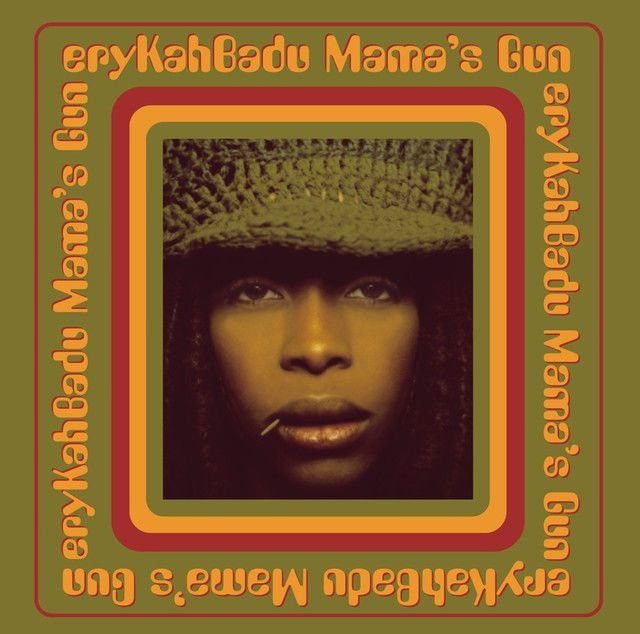
Cleva by Erykah Badu
Erykah Badu’s “Cleva” sounds loose, funny, and light on first listen. But the meaning of Cleva Erykah Badu goes deeper than a catchy hook. The song turns everyday body worries into a statement of self-worth. Instead of chasing polished beauty, they celebrate wit, style, and inner confidence.
"Cleva" - Erykah Badu
And with no bra my ninny's sag down low
My hair ain't never hung down to my shoulders
Loading lyrics...
Unable to load lyrics
We're unable to display the lyrics at this time. Please try again later.
Released as the third single from Mama’s Gun in 2001, “Cleva” was written by Erykah Badu, James Poyser, and James Yancey, better known as J Dilla, with Roy Ayers adding vibraphone, according to Wikipedia. That team matters, because the song’s warm, lived-in groove supports its message: imperfect can still be radiant.
What the Song Is Really Saying
At its core, “Cleva” is about self-acceptance. The speaker lists features that do not fit narrow beauty standards, then flips the mood. They admit insecurity, but they do not stay there. Each supposed flaw becomes part of a fuller identity.
That is why the title matters. The song does not say beautiful first. It says cleva
. In other words, the real value comes from mind, creativity, humor, and presence. When the speaker says always on ya' mind
, they suggest that impact lasts longer than surface perfection.
Interpretation: Badu frames confidence as something built, not given. The speaker is not pretending to be fearless. They are talking themselves toward peace in real time.
Watch the official Cleva
music video
A Body-Positive Message Before the Term Was Everywhere
One reason the song still feels fresh is its honesty. The speaker mentions no makeup, sagging breasts, hair that may not grow a certain way, and a stomach that no longer matches a fashion ideal. These details are blunt, but not cruel. They sound like someone naming what the mirror shows and refusing to be defeated by it.
The line about a dress costing little, then making it fly, is especially important. It expands the song beyond body image. Style here is not about money. It is about invention. The speaker can transform cheap fabric through attitude and taste.
How the Verses Build That Point
The song moves in a simple pattern:
- They name a physical insecurity.
- They refuse to let it define them.
- They return to talent and self-knowledge.
That structure gives “Cleva” its power. The verses tell the truth, while the chorus answers back. When the speaker says I'm alright with me
, it feels earned rather than automatic.
Alright with me
Said that I'm alright with me
That brief repetition works like a mantra. The song ends not with approval from other people, but with self-approval.
Why the Hook Hits So Hard
The chorus turns self-description into self-definition. Earlier lines focus on what the body is not. The hook answers with what the person is: smart, memorable, and growing.
The phrase I really want to grow
adds another layer. This is not a frozen self-love anthem where the speaker has solved everything. Growth is still needed. That makes the song more human. They can accept themselves and still want to evolve.
Interpretation: That tension may be the song’s most moving idea. Self-love here is not vanity. It is a practice of staying kind to oneself while changing.
How the Sound Carries the Meaning
“Cleva” belongs to the neo-soul world of Mama’s Gun, and its production helps explain the lyric. J Dilla, James Poyser, and Badu create a groove that feels handmade rather than glossy. The rhythm sits back, the keys feel airy, and Roy Ayers’ vibraphone adds softness and shine. That mellow blend keeps the song from sounding defensive.
Instead, the music says: relax into yourself. The beat does not rush, and Badu’s vocal delivery stays conversational. They sound teasing, reflective, and secure by turns. That shifting tone mirrors the lyric’s path from doubt to acceptance.
This context also fits Mama’s Gun, an album often praised for its organic sound and emotional directness. “Cleva” was released as an airplay-focused single on April 17, 2001, and it reached No. 20 on Billboard’s Adult R&B Songs chart, according to the same Wikipedia entry. Even without major pop-chart impact, the song found an audience that understood its everyday truth.
Artist Context Makes the Message Stronger
Badu has long written songs that resist easy categories. They often mix vulnerability, humor, Black identity, femininity, and spiritual self-possession. “Cleva” fits that pattern perfectly.
The song also pushes back against a culture that often treats women’s bodies as public property. Instead of asking for approval, the speaker names their own standards. Cleverness, rhythm, and presence matter more than fitting into a narrow mold.
That is part of the meaning of Cleva Erykah Badu that continues to resonate in the United States today. The song speaks to anyone who has felt measured by appearance first and personhood second.
The Lasting Meaning of “Cleva”
In the end, “Cleva” is a self-portrait with humor and backbone. It admits insecurity without surrendering to it. It says a person can feel imperfect, unfancy, and still deeply valuable.
Its final emotional move is simple but strong: acceptance begins within. Beauty may fade, money may come and go, and trends will change. But wit, creativity, and self-possession can still make someone unforgettable.
Interpretation disclaimer: Song meaning is never fully fixed. This reading is based on the lyrics, production, and release context, but listeners may connect with “Cleva” in different personal ways.







