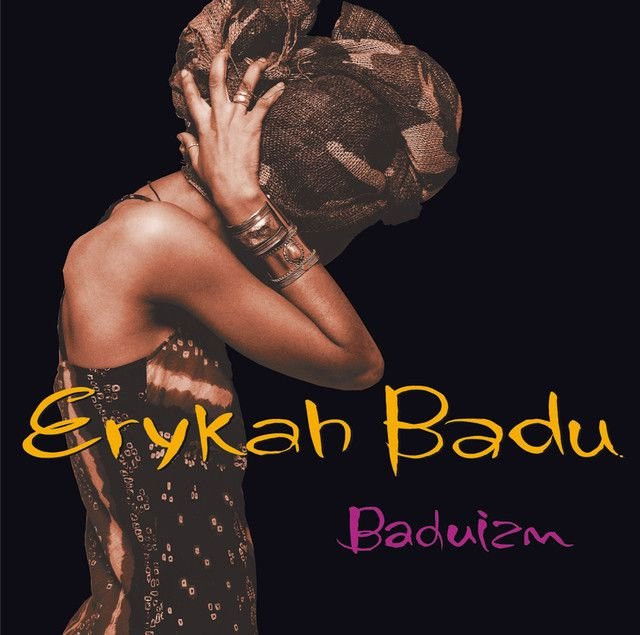
Why 'Sometimes...' Feels Like a Studio Flirt
The meaning of Sometimes... Erykah Badu comes through less as a grand confession and more as a moment. It sounds like a late-night invitation, a creative spark, and a playful test of chemistry all at once. Rather than building a heavy storyline, the song captures what can happen when attraction and artistry meet in the same room.
"Sometimes..." - Erykah Badu
Well, I came to the show I respect your flow
Now I wanna know if you wanna go
Loading lyrics...
Unable to load lyrics
We're unable to display the lyrics at this time. Please try again later.
That matters because Erykah Badu has long worked in a space where soul, jazz, hip-hop, and spoken intimacy blend together. On her official artist pages and album credits, they are consistently presented as a writer and performer who values mood as much as plot. In this track, the mood is the message: cool, curious, and open-ended.
The Core Idea Hiding in Plain Sight
At its simplest, the song is about one person approaching another with interest and confidence. But this is not framed as a standard love song. The invitation is creative first, romantic second. The speaker respects the other person's style, then asks whether they want to go make something together.
That is why the opening feels so direct. When the song says I respect your flow
, it does more than compliment talent. It links desire to artistic admiration. In other words, attraction begins with what the other person can do.
Interpretation: the song suggests that for Badu, connection is strongest when it starts in shared rhythm, shared taste, or shared ambition. The flirtation works because it is also a collaboration pitch.
Watch the official Sometimes...
music video
A Quick Story With Big Subtext
There is a small narrative here, even if the track stays loose and conversational. The speaker arrives, notices someone intriguing, and proposes the next move. The key offer is not dinner or romance. It is the studio.
That shift gives the song its identity. The phrase to the studio
turns the setting into a symbol. The studio is where people drop their public masks, improvise, and reveal how they think. So the invitation becomes a test: are they really on the same wavelength?
The track keeps raising the question with what you wanna do?
That repeated challenge sounds casual, but it puts agency in the other person's hands. The speaker is bold, yet not controlling. They offer energy, resources, and time, then wait for an answer.
Desire, But Never Desperation
One reason the song feels so smooth is that the speaker never sounds needy. They project self-possession. They mention what they have, what they can bring, and the vibe they can create.
When the lyric nods to bring your sack
, it hints at readiness and exchange. The line can be heard as practical, playful, or streetwise depending on the listener. Either way, it adds to the song's lived-in realism. This is not fantasy romance. It is two people negotiating a real-world encounter.
Then the confidence builds through details like got the song
and a space that will be active all night long
. The speaker is selling an atmosphere, not just themselves. That is a subtle but important part of the meaning of Sometimes... Erykah Badu: seduction happens through environment, momentum, and creative promise.
How the Sound Carries the Message
The song's writing credits include Erica Wright, Ahmir "Questlove" Thompson, Leonard Hubbard, Kenyatta Saunders, James Poyser, and others associated with the Soulquarians orbit, a collective known for organic grooves and live-feeling arrangements. That context helps explain why the track feels unforced and conversational rather than tightly scripted.
Factual context: Badu's major work from this era is often tied to neo-soul's live instrumentation and hip-hop-informed looseness, a style documented in broad coverage of the Soulquarians and Badu's catalog. Even without overreading a short song, listeners can hear that mix here.
Instead of dramatic changes, the production leans on groove. The beat and vocal phrasing give the impression of someone thinking in real time, talking and rapping with relaxed confidence. That matters because the song's meaning depends on spontaneity. If it sounded polished to perfection, the invitation might feel rehearsed. Because it sounds easy, it feels believable.
What the Lines Suggest About Power
A lot of flirtation songs are about conquest. This one feels different. The speaker is assertive, but they are also making room for response. The repeated question is important because it avoids turning the encounter into a one-sided fantasy.
Well, I came to the show
I respect your flow
Now I wanna know
if you wanna go
This brief section sums up the emotional structure. First comes observation, then admiration, then desire, then consent. That sequence is part of what makes the song feel modern even now.
Interpretation: the track may be read as a celebration of mutual creative energy, where interest has to be returned to mean anything.
Alternate Ways to Read It
There are at least two good ways to hear the song.
A simple late-night come-on
The most obvious reading is that this is a flirtatious invitation wrapped in music talk. The speaker likes someone, wants to spend time with them, and uses the studio as the perfect setting for intimacy.
A song about artistic chemistry
Another reading is that the romance is secondary. The real thrill is finding someone whose style matches their own. In that version, the song is about recognizing talent and wanting to build something together before the moment passes.
Both readings can be true at once. That layered quality is a big part of Badu's appeal.
Why the Song Still Lands
The meaning of Sometimes... Erykah Badu lasts because it captures a specific kind of spark: the moment when admiration turns into action. It does not overexplain. It trusts tone, groove, and attitude to carry the feeling.
For listeners, that makes the song memorable. It sounds like possibility. It is about attraction, yes, but also about choosing to create a space where something can happen.
In the end, the song says that interest is strongest when it is shared, creative, and cool under pressure. That is what gives this small scene its staying power.
Disclaimer: This interpretation is based on the song's lyrics, performance, and known artistic context. As with most songs, meaning can vary from listener to listener.







