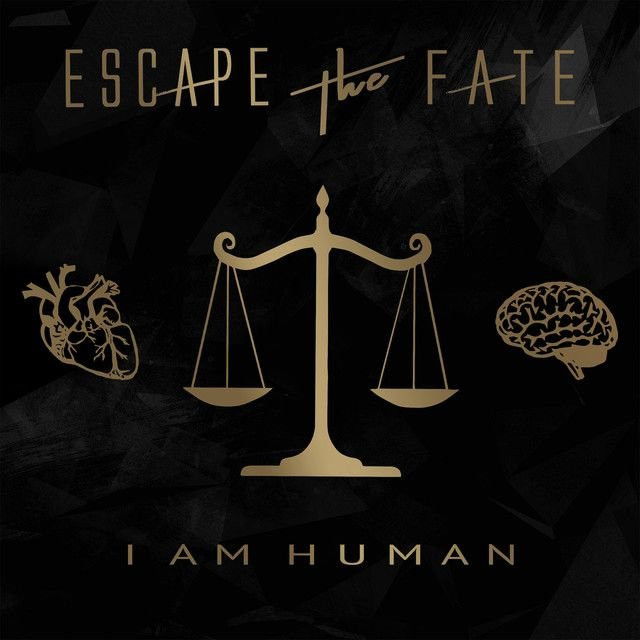
Broken Heart by Escape the Fate
Why This Breakup Song Hits So Fast
The meaning of Broken Heart Escape the Fate is direct but effective: they frame heartbreak as a moment of emotional collapse that slowly turns into release. The song is about being stunned by betrayal, replaying old promises, and then making the hard choice to walk away.
"Broken Heart" - Escape the Fate
'Cause I can't take this anymore
Since you broke my heart in two
Loading lyrics...
Unable to load lyrics
We're unable to display the lyrics at this time. Please try again later.
That plainness is part of why it works. Escape the Fate do not hide the pain behind abstract images. Instead, they use simple, repeated ideas like letting go
and feeling so damn low
to show a person at the end of their emotional limit.
Factually, the track was released on January 16, 2018 as the first single from the band’s sixth studio album I Am Human. It later reached No. 15 on Billboard’s Mainstream Rock chart, a sign that its mix of radio-ready melody and post-hardcore weight connected with listeners.
Watch the official Broken Heart
music video
The Core Story: Shock, Memory, and Exit
At the center of the song is a speaker addressing an ex after trust has been broken. They are not confused about what happened. They know the relationship is over, and that knowledge hurts almost as much as the breakup itself.
The verses build that pain through memory. The singer recalls words, nights, and promises, suggesting that heartbreak is not only about losing a person. It is also about losing the future they once believed in. When the song mentions a mind that feels scattered and sleepless, it shows how breakup grief becomes physical and repetitive.
you don't love me anymore
take my broken heart with you
Those lines sum up the emotional turn. The first accepts reality. The second pushes the pain back toward the person who caused it. That is not revenge so much as boundary-setting.
How the Verses Build the Meaning
The song moves in a clear emotional timeline:
- First, there is overload. The speaker cannot keep carrying the relationship’s damage.
- Next comes replay. They remember conversations and shared nights in painful detail.
- Then comes recognition. The promises were empty in the end.
- Finally, there is separation. They decide to release the bond, even if it still hurts.
This structure gives the chorus its force. By the time they sing broke my heart in two
, the phrase lands as a summary of everything the verses described: betrayal, insomnia, regret, and the end of trust.
Interpretation: The song is less about dramatic revenge than emotional cleanup. They are trying to remove the ex from their inner life, not just from their phone or room.
The Chorus Turns Pain Into Action
A lot of breakup songs stay in sadness. This one adds motion. The repeated hook about letting go
matters because it transforms the speaker from someone wounded into someone deciding.
That does not mean they are healed. In fact, the repetition suggests they need to keep telling themselves this truth because the wound is still fresh. The chorus works like self-talk after a breakup: painful, simple, and necessary.
There is also a strong contrast between the verses and chorus. The verses are full of memories. The chorus rejects memory and chooses distance. That contrast is the song’s emotional engine.
Sound First, Tears Second
Escape the Fate have long moved between harder post-hardcore edges and more melodic rock writing. On Broken Heart, they lean into a polished blend of pop-punk, emo, and mainstream hard rock.
That production choice matters. Howard Benson, who co-wrote and produced the track, helps shape it into something clean and immediate. The guitars are crisp rather than chaotic. The drums push steadily forward. The vocal melody is catchy enough to feel anthemic, even while the lyrics describe emotional damage.
This creates an important tension: the song sounds built for singing along, but the content is lonely and raw. That contrast mirrors real heartbreak. People often try to keep moving while their mind is stuck in the past.
Craig Mabbitt’s vocal delivery also supports the meaning. He does not overcomplicate the emotion. He sounds strained but controlled, which fits a narrator who is barely holding it together. The result is less theatrical than some earlier Escape the Fate material and more relatable.
Video Context and Audience Connection
The official video, directed by Frankie Nasso, pairs band performance with scenes of a young woman avoiding calls and messages from an ex. That visual idea reinforces the song’s main theme: heartbreak is not only sadness, but active refusal. Ignoring contact becomes part of healing.
Reception matters here too. The song’s chart success on Mainstream Rock suggests that its emotional clarity helped broaden its reach. It is heavy enough for rock radio, but simple enough for listeners who just want a breakup song that says exactly what it feels like.
A Few Stronger Readings
Interpretation: One reading is that the song is about reclaiming self-respect. The key idea is not just heartbreak, but refusing to keep begging for love after betrayal.
Interpretation: Another reading is that the repeated memories show how hard it is to separate love from routine. The bed, the words, the nights together: these are habits as much as feelings. That is why moving on feels so hard.
The Lasting Meaning of “Broken Heart”
The meaning of Broken Heart Escape the Fate comes down to a familiar but powerful truth: the end of love often hurts most when trust collapses before the relationship does. This song captures that moment when sadness, anger, and acceptance all exist at once.
Its lyrics are simple, but the emotional design is smart. The memories make the loss feel real, the chorus gives the pain a voice, and the production turns private hurt into a public singalong.
That is why the song lasts. It understands that letting go is rarely graceful. It is usually something people repeat until they finally believe it.
Disclaimer: This article offers interpretation based on the song’s lyrics, release context, and publicly available sources. Meanings can vary from listener to listener.









