Why 'One For the Money' Hits Like a Starting Gun
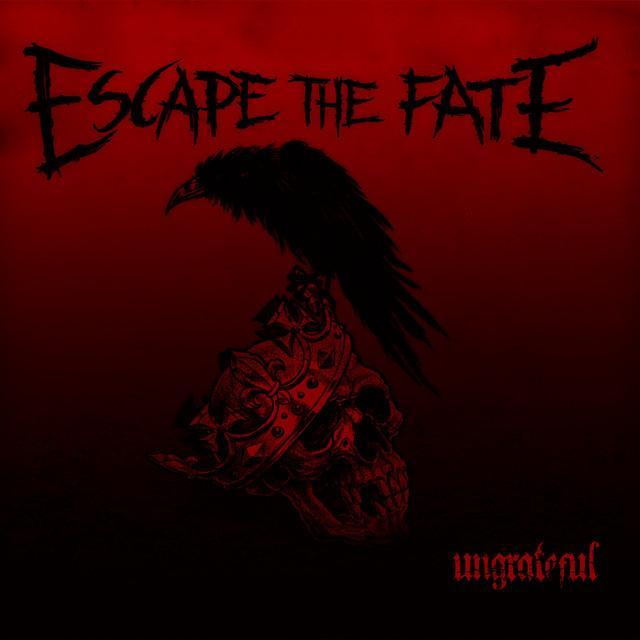
The meaning of One For the Money Escape the Fate becomes clear fast: this is less a deep story song than a charged-up command to move. Released on Ungrateful in 2013, the track turns anger, adrenaline, and crowd energy into one big ignition moment. It is built to feel like the seconds before a race, a fight, or a stage entrance.
"One For the Money" - Escape the Fate
It's too late to try to run, we run the city
It's my time, it's your time
Loading lyrics...
Unable to load lyrics
We're unable to display the lyrics at this time. Please try again later.
According to Songfacts, the band described it as a pump-up anthem about forgetting worries and going out to rock. Guitarist Monte Money said the idea was basically to “get pumped up” and “get crazy,” while drummer Robert Ortiz admitted he first thought it was cheesy before realizing how catchy and powerful it felt. That background matters because the song does not hide its purpose: it wants to hit hard and get people moving.
The Core Message Beneath the Noise
At its heart, the song is about release. The speaker sounds cornered, angry, and tired of being held back. Then that pressure flips into action. Early lines push a sense of takeover and momentum, especially in phrases like we run the city
and it’s go time
. Those are not careful reflections. They are battle-cries.
Interpretation: the song frames confidence as a defense against pressure. When the lyric suggests people once “held me down,” the response is not sadness. It is defiance. The narrator refuses to be controlled, judged, or cooled off.
That is why the track feels so direct. It is not asking listeners to study pain. It is asking them to convert pain into motion.
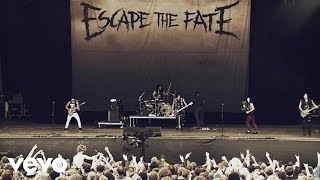
Watch the official One For the Money
music video
A Chorus Built From an Old Countdown
The song’s most famous hook reworks the old English counting rhyme “one for the money, two for the show,” a phrase with roots going back to at least the 1820s and later recycled across rock, pop, and hip-hop. Escape the Fate use that familiar structure as a launch pad, not as nostalgia.
By repeating one for the money
and three get ready
, the chorus acts like a starter pistol. It counts up tension, then releases it. Even listeners who do not know every verse can jump into that sequence.
This is one reason the song works so well live. A countdown gives a crowd something simple to shout together. It creates unity before impact.
One for the money
Two... for the show
Three get ready
Are you ready?
That short block captures the whole design: familiar rhythm, rising pressure, communal shout.
From Frustration to Explosion
The verses give the song just enough emotional fuel to keep it from being empty noise. The narrator is not only excited; they are also done being pushed around. When the lyric moves toward images of conflict and ruin, including start a riot
and hearing the silence
, the emotional world gets darker.
Still, these lines read more like exaggerated rock imagery than literal plans. They make inner pressure visible. The speaker feels so overloaded that the only possible answer is eruption.
Interpretation: the “riot” language points to emotional rebellion, not a literal event. The song dramatizes the point where frustration becomes a performance of power.
That fits the final energy of the chorus. Every repetition sounds like the same thought getting louder until it breaks into a crowd chant.
Why the Sound Matters So Much
Production is a huge part of the meaning here. The song uses pounding drums, compressed guitars, and gang-style backing vocals to create a sense of mass movement. Nothing in the arrangement invites quiet reflection. The tempo drives forward, and the riffs hit in short, forceful bursts.
Craig Mabbitt’s vocal delivery also shapes the message. He shifts between sneering verse lines and shouted hooks, which mirrors the song’s emotional path: pressure first, explosion second. The result is less like a diary entry and more like a command barked from the front of a crowd.
This matters because the meaning of One For the Money Escape the Fate is inseparable from its sound. On paper, some lines are simple. In performance, they become huge because the band treats them like slogans meant to shake a room.
Artist Context Helps Explain the Lyrics
Escape the Fate had already built a reputation on aggressive, theatrical hard rock by the time Ungrateful arrived. This song fits that identity well. It is polished enough for radio-minded rock, but it still leans on the band’s heavier edge.
Songfacts also notes that the music video uses live-show footage, including festival performances, because the band felt that was where the song truly made sense. That choice supports the song’s meaning perfectly. It is not really about a detailed plot. It is about the rush that happens when band and audience lock in together.
Monte Money’s comment about the title also adds a small but useful layer: as a Las Vegas band, using “money” in the hook carries a local wink. It gives the phrase a flash of swagger beyond the old nursery-rhyme reference.
The Best Way to Read It
The strongest reading is simple: this is a song about turning stress into hype. It takes anger, resistance, and pent-up energy and transforms them into a public, almost celebratory release. Instead of collapsing under pressure, the narrator answers with volume.
A second reading is that it is also about performance itself. The lyrics blur the line between personal rebellion and stage ritual. The countdown, the repeated commands, and the crowd-ready phrasing all make the song feel like a live ceremony.
Final Take on the Song’s Meaning
So, what is the meaning of One For the Money Escape the Fate? It is a hard rock ignition song about getting pushed to the edge and answering with noise, unity, and momentum. Its lyrics are blunt on purpose because the real message lives in the rush they create.
For many listeners, that is exactly why it works. It does not ask them to sit still with emotion. It gives them a way to burn it off.
Disclaimer: This interpretation combines documented artist comments with lyrical analysis. As with any song, listeners may hear different meanings in the same lines.







