Why ‘Free Zoski’ Hits So Hard
The meaning of Free Zoski EST Gee, BIG30, EST Zo starts with loyalty. This is not a reflective ballad or a moral lesson. It is a grim, confrontational song that treats grief, revenge, and crew identity as parts of the same world.
"Free Zoski" - EST Gee ft. BIG30, EST Zo
Slimey, slatt
(Lucci, how you feel? Yeah)
Loading lyrics...
Unable to load lyrics
We're unable to display the lyrics at this time. Please try again later.
The track uses street-rap language to honor absent friends, threaten enemies, and affirm that the circle still stands. In that sense, the title is the key: “free” is both a demand and a show of allegiance. They frame the song as a statement of who matters, who is gone, and who must be defended.
The Core Message Behind the Chaos
At heart, the song is about mourning that has turned aggressive. Early on, they admit loss with I miss my nigga
, then quickly shift into revenge talk. That move matters. It suggests that sadness is not expressed softly here; it is converted into action, posture, and threat.
Interpretation: the song presents violence as emotional language. Instead of separating grief from retaliation, it ties them together. A line like stop the cause
shows they see themselves as part of a mission bigger than one moment.
This is also a song about distrust. Friends can become traitors when money enters the picture, and rivals become targets. The world they describe has almost no safe middle ground.
Watch the official Free Zoski
music video
Crew First, Always
A major theme is group loyalty. They keep returning to “my man,” “my partner,” “my blood,” and similar ideas, showing that the self is inseparable from the team. Even when one rapper sounds like the lead voice, the record plays like a collective vow.
That matters because “Free Zoski” is not just personal therapy. It is public solidarity. The song says that if one member is lost, jailed, or attacked, the rest close ranks.
How the Title Shapes the Meaning
The title turns the whole track into a dedication. Even when the verses wander into flexes, threats, and status talk, the name “Free Zoski” keeps pulling the listener back to absence. Someone important is not here, and the record fills that gap with noise, force, and remembrance.
A Timeline of Pain and Payback
The verses move in a rough sequence:
- They open with loss and betrayal.
- They move into retaliation and hunting rivals.
- They reaffirm loyalty to their dead and living partners.
- They close with power, status, and crew dominance.
That progression is why the song feels so relentless. It rarely pauses to process anything. When they mention seeing the aftermath on the news, the message is that violence has become routine, almost part of the daily environment.
One of the most revealing moments is the appeal to family and memory:
Granny, I know you watchin'
protect me when I'm doin' wrong
That brief moment adds depth. It shows they know their actions cross moral lines, yet they still ask for spiritual cover. The song is not apologizing, but it does admit conscience.
Street Images That Keep Reappearing
Several motifs drive the song’s meaning:
- Missing friends: loss is the spark.
- Weapons and switches: danger is constant and mechanized.
- Cars, blocks, and movement: territory matters.
- Money: wealth brings both power and betrayal.
- Family memory: even hardened voices still look upward and backward.
The line money be the reason
captures one of the song’s clearest ideas: success does not just elevate people; it isolates them. In this worldview, cash attracts envy and disloyalty.
How EST Gee, BIG30, and EST Zo Divide the Work
EST Gee often excels at sounding heavy without sounding theatrical. His style tends to make blunt lines feel lived-in, which fits a song centered on dead friends and pressure. BIG30 brings extra force and swagger, leaning into the record’s intimidation. EST Zo helps keep the song rooted in crew identity rather than solo confession.
Interpretation: their chemistry matters more than lyrical complexity here. The point is not intricate metaphor. The point is conviction.
Why the Production Matters
The beat is sparse, dark, and cold. It leaves room for the rappers to sound large, almost looming. That production choice supports the meaning because a busy or melodic beat would soften the message.
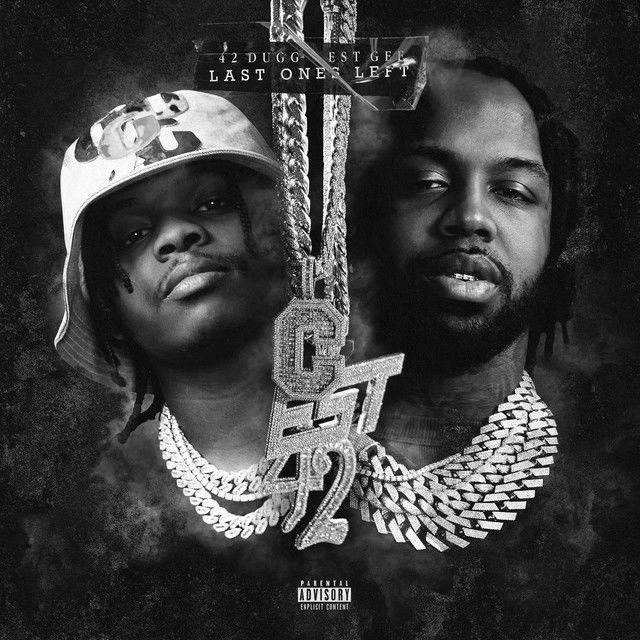
Instead, the instrumental works like open space around threats. The voices hit harder because there is little comfort in the background. That fits EST Gee’s broader run in 2022, when he was gaining major attention; for example, Last Ones Left with 42 Dugg was highlighted by BrooklynVegan as one of April 2022’s standout rap releases.
The Strongest Reading of “Free Zoski”
The best way to understand the meaning of Free Zoski EST Gee, BIG30, EST Zo is as a memorial wrapped in menace. It is a song where grief does not lead to healing. It leads to vows, paranoia, and an even tighter bond among those still standing.
That does not mean every line should be read as literal fact. In rap, threat can be performance, persona, exaggeration, or emotional truth. But the feeling underneath seems clear: they want listeners to hear pain, loyalty, and pressure all at once.
Final Take
“Free Zoski” works because it never tries to clean up its emotions. It sounds angry, wounded, proud, and watchful in the same breath. That mix is what gives the song its weight.
Interpretation disclaimer: This article offers a good-faith reading of the song’s themes and artistry. Some lines may be performative, symbolic, or intentionally exaggerated rather than strictly literal.









