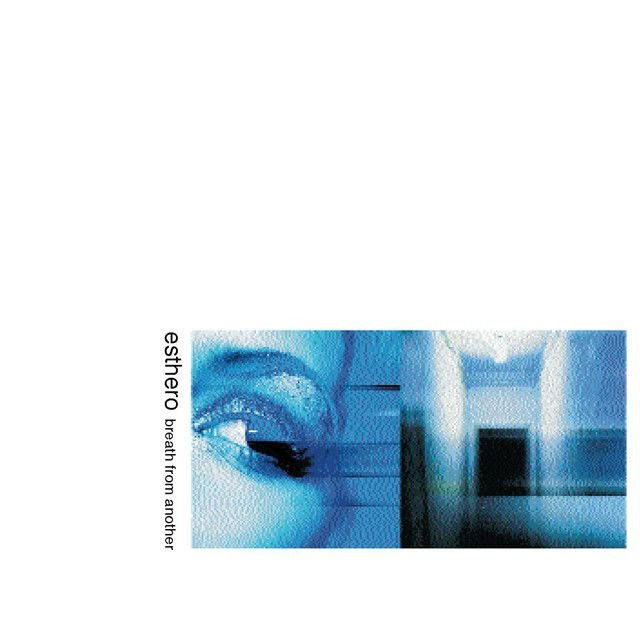
Heaven Sent by Esthero: A Dark Confession
The meaning of Heaven Sent Esthero starts with a contradiction. The title sounds pure and graceful, but the song itself feels stained, tense, and morally unstable. Esthero turns that contrast into the point: this is not a love song about being rescued. It is a song about damage, denial, and the uneasy line between self-defense and guilt.
"Heaven Sent" - Esthero
There was no one home at all
Couldn't wait to get your clothes on
Loading lyrics...
Unable to load lyrics
We're unable to display the lyrics at this time. Please try again later.
Released in 1998 as a single from Breath from Another, the track was written by Esthero and Doc McKinney, who also produced it. According to release information summarized by Wikipedia, it was written in one night in 1996 and later reached No. 4 on Billboard’s Hot Dance Breakout Singles Sales chart. Those facts matter because the song sits at a crossroads: part trip-hop haze, part alternative rock edge, and part psychological short story.
The Song’s Core Idea Hides in Plain Sight
At the most basic level, the song presents a narrator describing a disturbing encounter and then trying to live with what happened. The details suggest violence, jealousy, and panic. But the lyric is written in a way that keeps the full truth just out of reach.
That ambiguity is key to the meaning of Heaven Sent Esthero. The narrator is not asking for sympathy. They almost dare the listener to judge them. When they admit my hands are dirty
, the song stops pretending this is a story about innocence. It becomes a confession from someone who knows they crossed a line.
The chorus then sharpens that confession. By declaring I’m not heaven sent
and then adding broken and bent
, the narrator rejects any holy image the title might suggest. They are not saved, chosen, or morally clean. They are hurt and implicated.

Watch the official Heaven Sent
music video
A Story of Shock, Survival, and Rationalization
One reason the song lingers is that its plot moves in fragments. It opens with arrival and absence, then shifts into sensual memory, then suddenly into violence and aftermath. That broken sequence mirrors a mind trying to process an event too ugly to explain neatly.
A quick way to read the narrative is this:
- The narrator comes to someone’s place and finds a charged situation.
- Desire and danger are mixed together.
- Another person is harmed, whether literally or symbolically.
- The narrator tries to justify what happened.
- The chorus admits the moral cost.
That is why lines about watching someone cry matter so much. The narrator is not detached from the harm. They witness it, and their body reacts with fear. When the song says my mouth went dry
, it captures shock more than triumph.
Who Is Speaking, and Can They Be Trusted?
The narrator speaks in the first person, but the song does not make them fully reliable. They keep shifting between confession and excuse. At one moment, they sound blunt about wrongdoing. At another, they tell themselves everything will work out.
Interpretation: this unreliable voice may be the whole point. The song could be showing how people rewrite a traumatic or guilty memory in real time. They soften it, glamorize it, or turn it into fate because the truth is harder to carry.
There is also a striking line of emotional isolation. When the narrator says I don’t know
and suggests there is no one else like them, they sound cut off from ordinary human feeling. That loneliness makes the song sadder, not just darker.
The Title Is Ironic, Not Comforting
The title Heaven Sent sounds like destiny or grace. But the chorus tears that image apart. Instead of claiming divine approval, the narrator denies it. That irony gives the song its sting.
Interpretation: Esthero may be using the title to mock romantic myths. Pop songs often frame intense desire as fate. Here, desire leads somewhere toxic. What first seems thrilling becomes evidence of corruption.
This also explains why the song feels both sensual and threatening. Pleasure is present, but it is never safe. Even moments that sound intimate carry dread underneath.
Sound Matters as Much as the Words
The production does a lot of storytelling. Breath from Another is widely associated with trip-hop, and this song uses that style well: slow-burn rhythm, moody textures, and a vocal that floats rather than explodes. The result is seductive on the surface but unstable underneath.
McKinney’s production helps the lyric feel like noir. The beat does not rush to judgment. It lets the tension pool around the words. Esthero’s voice, cool and airy, makes the violence feel even stranger. They do not oversell the horror; they glide through it, which makes the unease stronger.
That contrast is a major reason the track stands out. A harsher vocal might have made the song feel obvious. This approach keeps it eerie and psychologically layered.
Two Strong Readings of the Lyrics
There are at least two plausible ways to hear the song.
Reading One: A Literal Crime Scene
The most direct reading is that the narrator is involved in, or present for, an attack. References to guilt, dirty hands, fear, and death support that view. In this reading, the chorus is a blunt self-indictment.
Reading Two: Emotional Murder
Interpretation: the song may also describe betrayal or addiction in violent language. The “crime” could be the destruction of trust, identity, or a relationship. That would fit the song’s sensual opening and its emotional numbness later on.
Both readings work because the writing is impressionistic rather than journalistic. Esthero gives mood and fragments, not a courtroom statement.
Why the Song Still Feels Disturbing
Part of the meaning of Heaven Sent Esthero is that it refuses easy redemption. The narrator does not become innocent by the end. They only become more exposed. The repeated insistence on timing and survival suggests someone desperate to avoid their own end, not someone transformed by remorse.
That refusal makes the song memorable. It is less about solving a mystery than sitting inside a compromised mind. The track’s 1998 context also matters: it came from a moment when trip-hop often explored glamour, alienation, and emotional decay, and Esthero brought a sharp, feminine, theatrical edge to that sound.
Final Take on Esthero’s Darkest Hook
The best way to hear this song is as a study in damaged self-awareness. It blends desire, fear, and guilt until none of them can be cleanly separated. The title promises heaven, but the song delivers a soul already bruised by whatever it has done or survived.
That is what keeps it compelling. It sounds beautiful, but it never lets beauty equal innocence.
Disclaimer: This article offers interpretation based on the released lyrics, recording context, and publicly available credits. Like many ambiguous songs, Heaven Sent can support more than one valid reading.







