Why Esthero’s “That Girl” Feels So Distant
The meaning of That Girl Esthero starts with a feeling many listeners know right away: being present in a room, yet feeling emotionally outside it. Esthero’s song turns that feeling into something elegant, uneasy, and deeply self-aware.
"That Girl" - Esthero
You already think about yourself
And I don't believe all the lies coming out of my mouth
Loading lyrics...
Unable to load lyrics
We're unable to display the lyrics at this time. Please try again later.
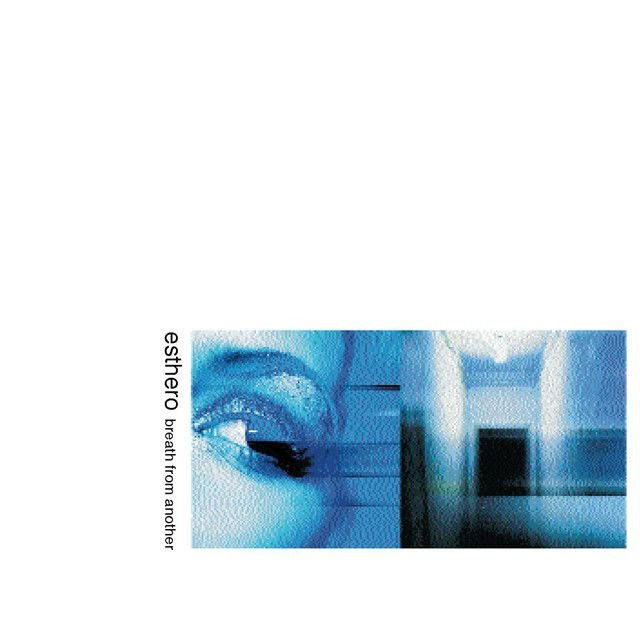
Released in 1999 from Breath from Another, the track is credited to Esthero and Doc McKinney, who also produced it. It has been described as part pop, soul-jazz, R&B, and trip-hop, a blend that fits Esthero’s debut era well. According to the song’s release information, it was recorded in 1996 and later associated with a video that received Canadian and American TV airplay. Those details help explain why the song feels polished but still strange around the edges: it lives between mainstream pop and left-field mood music.
A Song About Looking In and Looking Out
At the most basic level, the song appears to follow a speaker who feels disconnected from self, body, and surroundings. Early lines circle self-doubt and mistrust, including the sense that even their own words may not be reliable. When the song returns to the refrain about not belonging, it frames the whole track as an emotional crisis rather than a simple love song.
A key phrase is I just don't belong here
. That line does not only suggest social discomfort. Interpretation: it points to a wider identity split, where the speaker feels estranged from a scene, a role, or even a version of femininity they think others expect.
The repeated image of that girl
matters for the same reason. The song never fully explains who she is. That vagueness is the point. She may be a real woman, an ideal, or a mirror image the speaker cannot quite become.

Watch the official That Girl
music video
The Chorus Turns Comparison Into Pain
The chorus is simple, but its simplicity is what gives it force. The song keeps pairing exclusion with attention: the speaker says they do not fit, then immediately points outward to that girl
. In other words, the song links alienation to comparison.
Interpretation: this is not envy in a shallow sense. It sounds closer to watching someone who seems to move naturally through a world that feels impossible for the narrator. The “girl” may represent beauty, ease, desirability, or social belonging itself.
That is why the hook lands so hard. It does not just say, “She has something I want.” It suggests, “She belongs to a world I cannot enter.”
Aphrodite, the Body, and a Fading Self
One of the song’s most revealing details is the mythic image of Aphrodite tonight
. Bringing in the Greek goddess of love and beauty raises the emotional stakes. This is no longer just about one person in one room. It becomes a meditation on ideal womanhood.
The verse that follows is physical and vulnerable. The body is described with tension, then with disappearance, ending in the idea of feels herself fading
. That language implies more than sadness. It suggests a person losing solidity under pressure.
Interpretation: the song may be showing what happens when someone measures themselves against impossible beauty or social standards. Aphrodite stands for perfection, while the narrator feels unstable, watched, and diminished.
A Small Turn Toward Self-Definition
Late in the song, the mood shifts. The speaker says they will catch my own vibe
and leave something behind. That is important because it is the first real motion toward agency.
They also ask who they will become, then insist on a right to choose. Even if the wording is abstract, the emotional point is clear: after so much self-erasure, the song reaches for self-design. The speaker may still feel outside the world, but they are beginning to imagine a self not built from comparison.
This keeps the song from ending in pure defeat. It remains melancholy, yet there is a small claim to freedom inside it.
How the Sound Deepens the Meaning
The production helps carry all of this. Contemporary coverage described the track as “brass-tinged,” and that detail matters. The arrangement has warmth and sophistication, but the mood is not comforting. Instead, the smoothness creates contrast with the lyrics’ emotional dislocation.
That contrast is one reason the meaning of That Girl Esthero stays memorable. Trip-hop textures often create distance through atmosphere, while soul and jazz touches add intimacy. Esthero’s vocal delivery sits right between those poles. They sound close enough to confess, but emotionally just out of reach.
Rather than building to a huge climax, the song drifts and coils. That restraint mirrors the theme: the speaker is not exploding outward; they are dissolving inward.
The Video Makes the Alienation Literal
The official video adds another strong layer. Its concept places Esthero in a sealed glass room in the middle of a busy street, unable to breathe normally outside it. In the story, she ventures out in a clear suit, sees the man she wants with another woman, and then collapses before returning to the enclosed space.
That imagery almost perfectly visualizes the song’s emotional world. The glass room becomes a symbol of visible isolation: everyone can see her, but she still cannot join them. The sight of another woman beside the man reinforces the song’s focus on distance, comparison, and exclusion.
Why the Song Still Connects
Part of the song’s staying power is that it never over-explains itself. It leaves space for multiple readings: social anxiety, body alienation, feminine performance, or the pain of wanting to be seen as fully real.
What seems most convincing is this: Esthero built a song about not recognizing where one fits, then wrapped it in music that sounds seductive but unsettled. That tension is the song’s real power.
Disclaimer: This interpretation is based on the lyrics, the recording, and public context around the song and video. Like any art, listeners may hear different meanings in it.







