Why This Broadway Anthem Still Steals the Show
When people search for the meaning of There's No Business Like Show Business Ethel Merman, Irving Berlin, Ray Middleton, they usually want more than a plot summary. They want to know why this song became bigger than its musical and why it still feels like a mission statement for performers.
"There's No Business Like Show Business" - Ethel Merman, Irving Berlin, Ray Middleton
I'll be right there, I've got my fair
When I see that rusty haired conductor man
Loading lyrics...
Unable to load lyrics
We're unable to display the lyrics at this time. Please try again later.
The short answer is simple: the song is a love letter to the stage. But it is not blind praise. It celebrates a life full of pressure, unstable success, and constant performance, then argues that no other job can match its thrill.
A Song About Hardship Disguised as Celebration
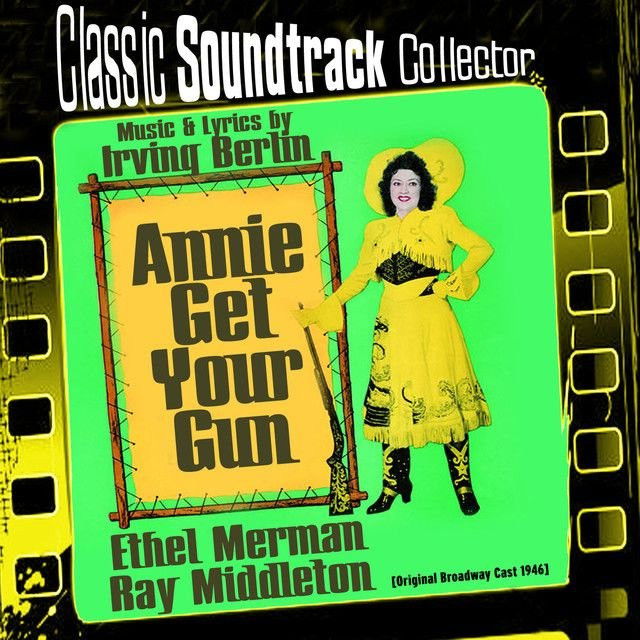
Irving Berlin wrote the song for Annie Get Your Gun, which opened on Broadway in 1946 and ran for 1,147 performances, the longest run of Ethel Merman’s career with Berlin. In factual terms, it was created for a hit musical. In cultural terms, it became what many sources describe as an industry anthem and Merman’s signature song.
At its core, the lyric says that show business asks for sacrifice but gives back a rare kind of joy. The repeated idea behind phrases like show business
is not just glamour. It is belonging. The song suggests that once performers feel that life, ordinary work can seem smaller.
Interpretation: This is why the number lasts. It treats performing less as a profession than as a calling.
Watch the official There's No Business Like Show Business
music video
How the Lyric Builds Its Argument
The song works by stacking contrasts. It admits the business can be rough, even disappointing, yet keeps returning to the same conclusion: there is nothing else like it.
That pattern matters. Instead of pretending the stage is easy, Berlin makes the praise more believable by including struggle. Short phrases such as everything about it
and nowhere could you get
point to total commitment. The singer is not listing benefits in a calm way. They are making a case with full conviction.
This is also why the hook feels so strong. It does not debate. It declares. Each return of the title line sounds like a rallying cry, pushing the listener to accept the emotional logic even before they fully analyze it.
There’s no business like show business
like no business I know
That famous couplet sums up the whole message: the stage is chaotic, demanding, and unmatched.
Why Ethel Merman Was the Perfect Voice
Ethel Merman was famous for a powerful, clear voice and commanding stage presence. Her career made her one of Broadway’s defining stars, and the song fit her style so naturally that it became inseparable from her public image. Critics often stressed how directly she delivered a song, and even Cole Porter famously joked that if someone wrote for Merman, everyone would hear every word.
That matters for meaning. Merman did not sing this like a dreamy ballad. They delivered it like a proclamation. Her bright attack and belt-heavy sound turned the lyric into something public and communal.
Interpretation: In her hands, the song does not sound like one character’s opinion. It sounds like Broadway speaking for itself.
The association lasted for decades. Merman sang it on stage, television, and in major public tributes. She also starred in the 1954 film There’s No Business Like Show Business, which deepened the tie between performer and song.
The Sound Makes the Message Bigger
Musically, this is classic big-stage Broadway. The arrangement is brassy, upbeat, and built for projection. Even without quoting much of the lyric, listeners can hear what the song means.
A march-like pulse gives it confidence. The swelling ensemble feel suggests community, not loneliness. And the tune rises in ways that feel triumphant rather than reflective.
That production style supports the theme perfectly:
- Brass suggests spectacle and confidence.
- A strong rhythm evokes movement and momentum.
- The singable hook invites group feeling.
- Merman’s vocal force turns pride into certainty.
So the meaning is carried not only by words but by theatrical scale. The song sounds like curtains opening.
From Character Number to Industry Anthem
Originally, the song belonged to a Broadway story. Over time, though, it escaped that setting. It came to represent the whole entertainment profession, from theater to film to television.
That shift explains its unusual staying power. A lot of show tunes remain tied to plot. This one became symbolic. It can be sung at ceremonies, tributes, revivals, and celebrations because its message is broad: performers endure difficulty because they cannot imagine loving anything more.
Phrases like smile when they are low
capture that emotional code. The idea is that entertainers keep going, even when the work hurts. That is pride, but it is also survival.
A Slightly Deeper Reading
The most common reading is the correct one: this is a joyful anthem. Still, there is a second layer worth noting.
Interpretation: The song may also reveal how show people cope with instability. By repeating that no other life compares, the singer turns hardship into identity. In that sense, the song is both celebration and self-persuasion.
That does not make it cynical. It makes it human. Artists often survive difficult conditions by believing the work is worth it. Berlin’s genius is that he expresses this belief with warmth, speed, and confidence instead of self-pity.
Why the Song Still Connects Today
The meaning of There's No Business Like Show Business Ethel Merman, Irving Berlin, Ray Middleton still resonates because many people understand the larger message even outside theater. Anyone who has loved a demanding calling can recognize it.
The song says some careers ask for more than they give in comfort, but return something harder to measure: purpose, excitement, and a sense of home. That idea is timeless.
Merman’s performance helped lock that meaning in place. Berlin wrote a number about the stage; Merman made it feel like the stage’s own voice.
Final Take
This song is about devotion to performance in all its mess and magic. Its lasting power comes from how honestly it admits the strain, then answers with joy.
Disclaimer: This interpretation is based on the song’s lyrics, performance history, and documented context. Meaning can vary from listener to listener.








