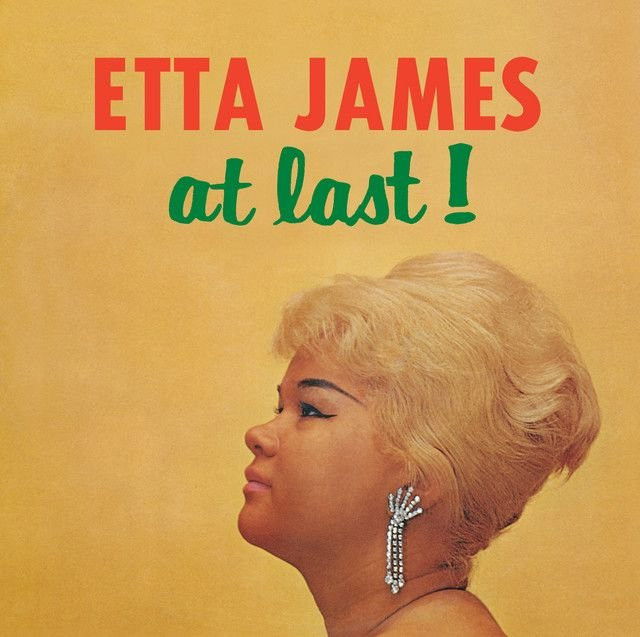
Why ‘If I Can’t Have You’ Feels So All-or-Nothing
The meaning of If I Can't Have You Etta James, Harvey Fuqua starts with a blunt emotional truth: this is a love song about total attachment. The singer does not describe a balanced romance. They describe a bond so strong that everyday life seems pointless without one specific person.
"If I Can't Have You" - Etta James, Harvey Fuqua
If I can't have you
Oh, I can't love nobody
Loading lyrics...
Unable to load lyrics
We're unable to display the lyrics at this time. Please try again later.
That is why the song still lands. Its language is simple, but the feeling is intense. Rather than dress heartbreak up in poetry, it narrows everything down to one idea: if this relationship is gone, nothing else matters.
A Love Song Built on Exclusivity
At the center of the song is refusal. The narrator keeps saying they do not want, hold, kiss, or even speak to anyone else. When they repeat If I can't have you
, they turn desire into a rule for living.
This is not casual romance. It is absolute devotion, and maybe dependence too. Interpretation: the song can be heard as both sweet and troubling, because its passion leaves no room for a self outside the relationship.
That tension gives the track its force. Many love songs promise loyalty, but this one goes further. It suggests that attention, touch, and conversation only have meaning when they are shared with one person.

Watch the official If I Can't Have You
music video
How the Verses Keep Shrinking the World
One smart thing about the writing is how ordinary actions become emotional proof. The singer is not talking about grand gifts or dramatic scenes. They focus on basic human contact: talking, holding, kissing, being around someone.
That choice matters. By using simple acts, the song shows how love can reshape daily life. Even a normal interaction feels empty unless it happens with the beloved.
A short passage sums up that pattern:
The way you hug me
The way you squeeze me
The way you kiss me
These lines do not just praise affection. They explain why no substitute will do. The song argues that this person is not replaceable because their touch has become the standard for comfort and desire.
The Chorus Turns Want Into Need
The hook is memorable because it is so direct. There is no story twist and no hidden metaphor. The chorus keeps returning to one emotional bottom line.
That repetition does two things:
- It mirrors obsessive thinking.
- It makes the song sound like a plea and a vow at once.
When the narrator insists I don't want nobody
, they are not simply being faithful. They are drawing a hard line between this lover and the rest of the world. Interpretation: the chorus suggests that romantic love has become their whole emotional system.
This kind of writing is common in classic R&B, where repetition often deepens feeling instead of reducing meaning. Here, the repeated hook sounds less like a slogan and more like someone convincing themselves that life without this person is impossible.
Etta James and Harvey Fuqua Bring Different Energies
Context helps explain why the song carries such heat. Etta James was one of the great American voices, a singer whose work crossed R&B, soul, blues, jazz, and pop, as noted in her biography. Harvey Fuqua, a singer, producer, and founder of the Moonglows, was an important collaborator during her early Chess years.
According to that same biographical record, If I Can't Have You
was among James's first hit singles with Fuqua. That matters because the song sits at a key point in her career: the shift into the Chess era that would soon lead to larger mainstream success and later classics.
Their pairing gives the song extra tension. James had a rich, earthy contralto, while Fuqua brought a smoother male counterweight associated with doo-wop and R&B vocal group traditions. Even when listeners focus mostly on James, the collaboration frames the song as a conversation in spirit, if not always in structure.
Why the Sound Makes the Lyrics Stronger
Production-wise, the track belongs to early-1960s R&B, with a groove that supports repetition rather than distracting from it. The arrangement is lean and physical. It leaves room for the voices to do the emotional heavy lifting.
That matters because the song is about closeness. A huge orchestral setting might have made it feel too polished. Instead, the tighter rhythm-and-blues style makes the words feel immediate, almost spoken from arm's length.
James's delivery is especially important. She did not need complex lyrics to suggest urgency. A line like I just don't want to be bothered
can sound playful on paper, but in performance it carries impatience, longing, and stubbornness all at once. That blend is part of what made her such an influential singer across genres.
Sweet Devotion or Emotional Possession?
There are at least two strong ways to read the song.
Reading One: Pure loyalty
In this view, the song celebrates deep commitment. The singer is saying that no other company compares to true love. The exclusivity sounds romantic, not unhealthy.
Reading Two: Love as fixation
In another reading, the song edges toward emotional possession. The narrator does not just prefer one person; they reject the rest of human contact. That makes the song feel less like a love letter and more like a confession of dependence.
Both readings can be true at once. That is one reason the song lasts. It understands that intense love often feels noble from the inside and alarming from the outside.
Why the Song Still Connects
The meaning of If I Can't Have You Etta James, Harvey Fuqua lasts because it captures a feeling most people recognize, even if they would never say it this strongly. At some point, love can make the world feel smaller, sharper, and centered on one person.
What Etta James and Harvey Fuqua turn into music is that frightening, thrilling loss of perspective. The song is not subtle, but it is honest about how desire can take over the mind. In classic R&B fashion, its simplicity is the point.
Listeners do not need a complicated plot to understand it. They hear the repeated need, the focus on touch, and the refusal to settle for anyone else. That is the emotional engine of the track.
Disclaimer: This interpretation is based on the song's lyrics, performance, and available historical context. As with any song, meaning can vary from listener to listener.








