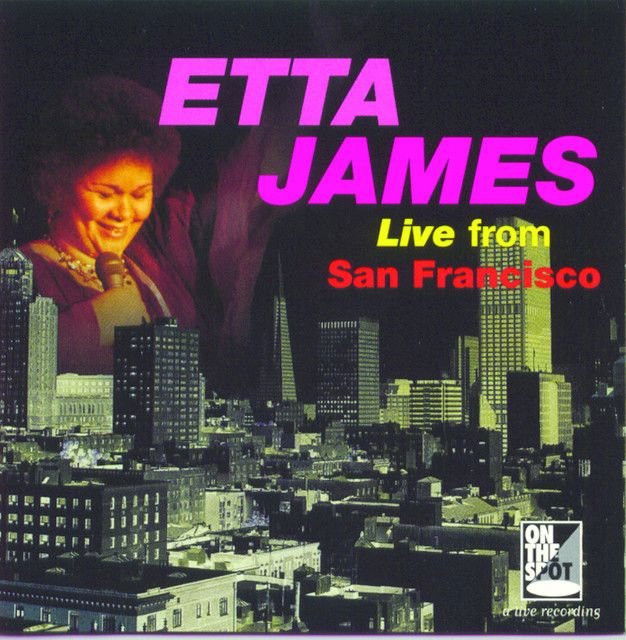
Why 'Sugar on the Floor' Hurts So Deep
The meaning of Sugar On The Floor Etta James comes down to one painful idea: someone wants love, but they do not yet know how to receive it. The song is not about a dramatic breakup scene. It is about emotional hesitation, self-doubt, and the fear of being too damaged by the past to trust tenderness in the present.
"Sugar On The Floor" - Etta James
Still you give me your life
I toss it to one side
Loading lyrics...
Unable to load lyrics
We're unable to display the lyrics at this time. Please try again later.
Etta James did not write the song; it was written by Kiki Dee, whose credit is listed in song databases such as Discogs and AllMusic. But James makes it feel deeply personal. Her voice turns a quiet lyric into a confession. That gap between the writer and the singer matters, because it shows how interpretation in performance can become the heart of a song.
A Love Song About Not Being Ready
At the center of the song is a speaker facing someone kind and open, yet still feeling unable to answer that love fully. Early on, the other person offers closeness, but the speaker remains unsure. When the lyric says stranger to me
, it suggests emotional distance even when intimacy is being offered.
That distance is the key to the song. The speaker is not cold because they feel nothing. They are guarded because they feel too much and do not know whether they can trust it. The repeated uncertainty around being sure makes the song feel suspended, as if the heart is waiting for permission to move.
Interpretation: This is a song about the aftereffects of hurt. The past is not described in detail, but it still controls the present.

Watch the official Sugar On The Floor
music video
The Title Image Explains Everything
The title phrase is one of the most striking images in soul music. When the speaker says sugar on the floor
, they compare themselves to something sweet, useful, and wanted that has been spilled and wasted.
That image does several things at once:
- It suggests vulnerability.
- It suggests worth that is not being protected.
- It suggests love with nowhere safe to go.
Later, the song makes that idea even clearer by connecting love with the fear of being wasted on the floor
. In plain terms, the speaker longs for care because without it, their emotional life feels lost. Sweetness becomes a symbol for tenderness that has not been received properly.
Verse by Verse, the Conflict Grows
The song keeps returning to a simple emotional pattern. Someone offers warmth. The speaker feels it, but cannot fully step into it. That tension appears in the line It’s warm where you are
, which sounds comforting on the surface. Yet the next thought undercuts that comfort. Warmth exists, but it does not quite reach the speaker.
That is why the lyric about lips not burning is so important, even without quoting it in full. Passion is near, but not fully alive. The body is present. The emotions are slower to arrive.
A second key moment comes when the speaker admits they need a reason to leave the past behind. This is one of the clearest statements in the song. The problem is not only the new relationship. The problem is memory. The past has trained the speaker to hesitate.
All I need
is somebody to love
somebody to care about me
This brief plea brings the whole song into focus. Under the doubt, there is a simple human need: to be loved in a way that feels safe and real.
How Etta James Makes the Song Feel Even Sadder
Facts about credits and release history can vary by edition, but Etta James is widely documented as one of the great American soul and blues singers by sources like the Rock & Roll Hall of Fame and Encyclopaedia Britannica. That larger career context matters here. She was famous for turning vulnerability into strength.
On this track, the arrangement supports that emotional push-and-pull. The tempo is unhurried. The groove leaves space. Instead of rushing toward a big release, the song lingers in uncertainty. That kind of production choice mirrors the lyric: the heart cannot move quickly because trust cannot move quickly.
James's vocal performance is the real engine. She stretches phrases, leans into rough edges, and sounds as if each line is being discovered in the moment. The effect is intimate rather than showy. They do not hear a singer simply delivering melody; they hear someone working through feeling.
Themes Beneath the Surface
Fear of tenderness
The song is unusual because the threat is not cruelty. The threat is kindness. When someone tries to be gentle, the speaker becomes more insecure, not less. That reversal gives the song its sting.
The weight of the past
The lyric openly points back to old pain. The past is not named, but it shapes everything. Love is possible, yet history keeps interrupting it.
Self-worth and emotional waste
The sugar image suggests that the speaker fears being wasted, overlooked, or mishandled. They want to believe in their own value, but they need another person’s care to help restore that belief.
A Reasonable Alternate Reading
Interpretation: Some listeners may hear the song not just as romantic uncertainty, but as a broader cry for emotional rescue. In that reading, the love interest matters less than the speaker’s inner emptiness. The repeated need for somebody to love and care could apply to loneliness itself, not only one relationship.
That ambiguity is part of why the song lasts. It can describe a new romance after heartbreak, or a deeper struggle to accept love at all.
Why the Song Still Connects
The meaning of Sugar On The Floor Etta James remains powerful because it captures a common but hard-to-name feeling: wanting closeness while fearing what closeness asks of them. Many love songs celebrate desire. This one studies hesitation.
That is why the song feels so human. It understands that affection alone does not heal every wound. Sometimes the hardest part is not finding love, but believing they deserve it and knowing what to do when it arrives.
Disclaimer: This article offers interpretation based on the lyrics, performance, and available song history. Meanings can vary from listener to listener.








