Why 'Carrie' by Europe Still Hurts
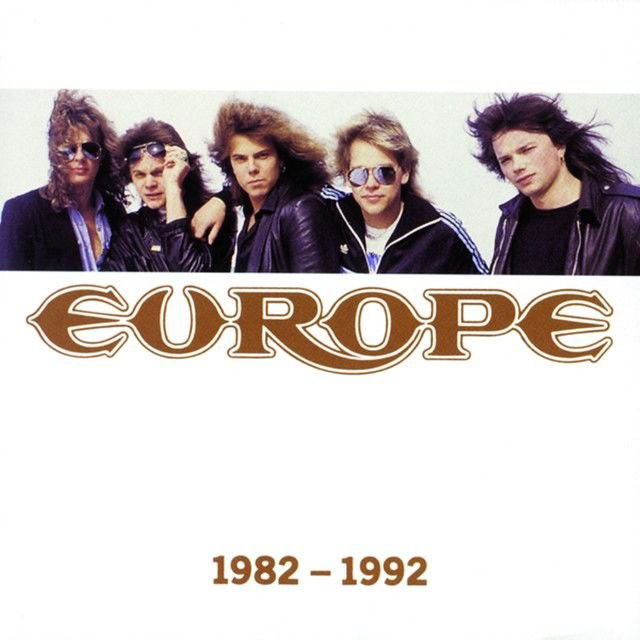
Europe are often remembered for the arena blast of The Final Countdown, but Carrie showed another side of the Swedish band. Released on the album The Final Countdown and written by Joey Tempest and Gunnar Michaeli, the song became one of their biggest U.S. hits, reaching No. 3 on the Billboard Hot 100 according to Billboard. That chart success matters because it explains why so many listeners still search for the meaning of Carrie Europe: beneath the polished 1980s power-ballad sound is a very human goodbye.
"Carrie" - Europe
For you to cry, we've been through this before
In every time, in every season
Loading lyrics...
Unable to load lyrics
We're unable to display the lyrics at this time. Please try again later.
The Heart of the Song Is a Breakup They Cannot Undo
At its core, Carrie is about a relationship ending even though emotion is still there. The speaker is not raging, cheating, or pleading for one more chance. Instead, they sound tired, honest, and a little helpless. From the opening image of lights go down
, the mood feels private, like two people are having a hard talk after the noise of the day is over.
The key idea is that love is not always enough to keep two people together. When the singer says change has happened and suggests they may meet again, the song points to separation as something sad but necessary. That is the emotional engine behind the meaning of Carrie Europe: a farewell shaped more by time and reality than by drama.

Watch the official Carrie
music video
A Voice Caught Between Care and Distance
One reason the song lasts is its careful emotional balance. The speaker clearly cares about Carrie, but they are also pulling away. They tell her not to ask for more, and they suggest that their eyes already reveal the truth. In other words, the breakup has been decided internally before it is fully spoken aloud.
This is what makes the line last goodbye
hit so hard. It is not just a breakup phrase. It signals that the speaker knows the conversation has crossed a line that probably cannot be uncrossed.
Why the Chorus Feels So Gentle
The chorus does not attack Carrie or explain every detail. It simply returns to her name and the idea that things they change my friend
. Calling her a friend softens the blow. It suggests respect remains, even if romance does not.
That choice keeps the song from sounding bitter. Instead, it sounds like someone trying to be kind while saying something devastating.
How the Verses Build the Story
The narrative is simple, but it unfolds in clear stages:
- The speaker opens in a moment of emotional darkness.
- They hint this pain is not new and that they have tried already.
- They admit that patience and time have been part of the struggle.
- They arrive at the breakup truth the chorus makes unavoidable.
A useful detail is the line about reading her mind. The song suggests deep familiarity between the two people. They know each other well enough that words are almost unnecessary. That closeness makes the ending more painful, not less.
Maybe we'll meet againSomewhere, again
This is the song’s one small opening toward hope. But it is not a promise of reunion. It feels more like emotional cushioning, a way to survive the moment by imagining a future where the pain is less sharp.
The Bigger Themes Inside the Meaning of Carrie Europe
Several themes give the song its staying power:
Change as the Real Villain
The song never names one big betrayal. Instead, it blames change itself. That makes the story relatable. Many breakups happen not because one person is evil, but because life moves, feelings shift, and timing fails.
Love Without a Future
Interpretation: The speaker may still love Carrie, but they no longer believe the relationship can work. That gap between feeling and future is what gives the song its ache.
Guilt Without Full Regret
The song also carries a strange calm. The singer wishes they could explain more, but they also ask how it can be wrong if they feel no pain
. That does not mean they are cold. It may mean they have emotionally finished grieving before the conversation begins.
Why the Music Makes the Words Land Harder
Produced in the glossy mid-1980s rock style associated with Europe’s breakthrough era, Carrie begins with piano and voice before opening into a larger power-ballad arrangement. According to album credits documented by sources like Discogs, Joey Tempest and Gunnar Michaeli share the writing credit, which fits the song’s keyboard-centered design.
That arrangement matters. The piano creates intimacy, almost like a confession. Then the drums, guitars, and bigger vocal lines arrive and turn a private breakup into something stadium-sized. Europe were a hard rock band, but here they use restraint first. That restraint makes the chorus bloom emotionally instead of just sounding loud.
Joey Tempest’s vocal is especially important. He does not sing the song like a detached narrator. He pushes the name Carrie with strain and tenderness, making the farewell feel both personal and theatrical. That mix is exactly why the song connected in the MTV era and on U.S. radio.
Why Listeners Still Return to It
Part of the appeal is that Carrie leaves room for listeners to fill in the missing details. The song never explains what went wrong. Because of that, people can place their own history inside it: first love, adult divorce, a drifting friendship, or even a goodbye that had to happen for practical reasons.
For many fans, the meaning of Carrie Europe is less about one literal woman and more about the moment when affection meets reality. The song understands that endings are not always explosive. Sometimes they are quiet, polite, and permanent.
The Final Take on Europe's Softest Big Hit
Carrie is a breakup ballad about acceptance, change, and the pain of saying goodbye without hatred. Its lyrics stay simple, but that simplicity is the point: the song captures the stunned, plain language people use when there is nothing left to fix.
That is why it still resonates. Europe turned a private split into a universal power ballad, and they did it without losing the fragile feeling at its center.
Disclaimer: This interpretation is based on the released lyrics, recording, and public song information. As with any song, listeners may hear meanings that differ from the writer’s original intent.








