Why Extrabreit Turned School Into Punk Satire
The meaning of Hurra, hurra, die Schule brennt Extrabreit starts with a joke that is not really a joke. On the surface, the song describes suburban girls cheering while a school burns. But the real force of the track is its mix of teenage rebellion, dark comedy, and social satire.
"Hurra, hurra, die Schule brennt" - Extrabreit
Tragen heute Nasenringe aus Phosphor
Die Lippen sind blau, die Haare grün
Loading lyrics...
Unable to load lyrics
We're unable to display the lyrics at this time. Please try again later.
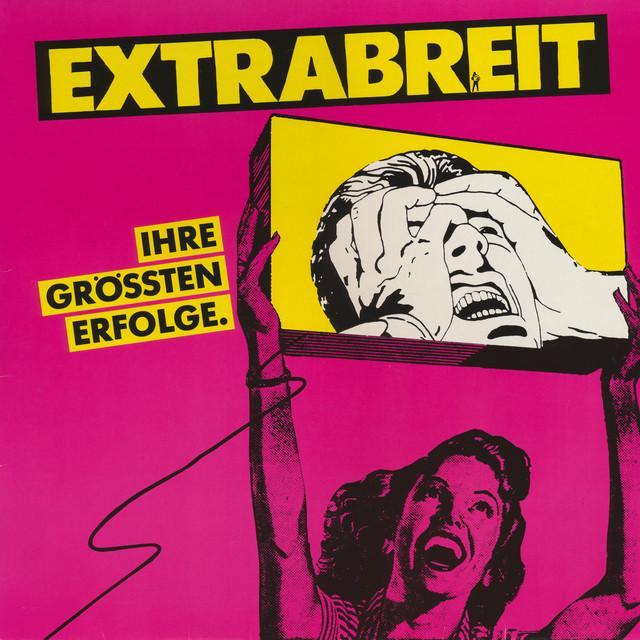
Extrabreit were part of West Germany's late-1970s punk scene and became linked with Neue Deutsche Welle, or NDW, the German new wave movement. The band formed in Hagen in 1978, and the song was first recorded in 1980 and released as a single in 1981. It later reached No. 12 in West Germany, showing how a mischievous, confrontational idea could cross into pop success (Wikipedia: Extrabreit, Wikipedia: Hurra, hurra, die Schule brennt).
The Real Target Is Bigger Than a Building
At its core, the song is less about fire than about what school represents. In many youth songs, school stands for rules, boredom, and adult control. Extrabreit turn that feeling into a wild image: instead of saying students feel trapped, they imagine the institution going up in flames.
That is why the chorus matters so much. When they sing Hurra, hurra
and then die Schule brennt
, the thrill sounds childish and shocking at once. Interpretation: the cheer is not a policy statement. It is a cartoon version of student frustration, the kind of fantasy that feels exciting precisely because it breaks every rule.
The song title also echoes the 1969 West German film Hurra, die Schule brennt!, which adds another layer of cultural irony (Wikipedia: Hurra, hurra, die Schule brennt). Extrabreit make that phrase harsher, louder, and more punk.
Watch the official Hurra, hurra, die Schule brennt
music video
The Girls in the Verses Are Symbols of Panic and Change
The verses are packed with exaggerated images. The suburban girls wear odd, chemically charged fashion pieces, carry bottles, and move through the streets trailing a sense of danger. The song is not drawing realistic portraits. It is building a comic-book picture of youth culture as adults might fear it.
Short phrases like Nasenringe aus Phosphor
and ein Hauch von Benzin
create that effect. They suggest both style and hazard. The girls are not just dressed differently; they seem almost explosive.
Interpretation: these characters may stand for a generation that treats scandal as fashion. Their bright colors, noise, and confidence make them look like a nightmare to respectable suburbia. In that reading, the song mocks adult moral panic as much as it mocks school itself.
A Story of Escalation, Told Like a Chant
The plot moves quickly:
- Strange-looking girls appear in the suburbs.
- They trigger alarms and chaos.
- The emergency response arrives too late.
- The crowd turns destruction into a singalong.
That fast sequence is important. Extrabreit do not stop to moralize. They push events forward with the speed of a punk single, which makes the scene feel reckless and absurd.
One line about the children starting to scream adds a darker edge, while the sirens and bells make the setting feel public and theatrical. Then the song pivots back to the hook, as if even disaster can become a pop slogan.
Das ist neu
Hurra, hurra, die Schule brennt
That brief chant captures the song's main trick: it presents catastrophe as novelty. Interpretation: Extrabreit may be mocking a culture that mistakes shock for excitement and destruction for freedom.
How the Sound Sells the Joke
Production matters to the song's meaning. As an NDW and punk-inflected single, it is short, sharp, and built for impact. The beat drives forward, the guitars keep things lean, and the vocal delivery sounds more sneering than sorrowful.
That matters because a slower or more serious arrangement would make the song feel tragic. Instead, Extrabreit give it bounce. The bright, quick attack makes the outrageous scenario feel like a taunt. They sound amused by the chaos, which deepens the satire.
This balance was a hallmark of early Extrabreit: punk roots, catchy hooks, and a willingness to make sarcasm singable (Wikipedia: Extrabreit). The result is a song that feels fun on first listen, then more pointed once the listener thinks about what is being cheered.
Why the Chorus Still Sticks
The hook survives because it taps a near-universal feeling: many young people dream of escaping school, authority, or routine. Extrabreit turn that feeling into a slogan so exaggerated that it becomes both funny and uncomfortable.
There is also a generational angle. The song came from a period when German pop was making room for irony, attitude, and new-wave weirdness. Its success in the early 1980s suggests that listeners heard more than simple vandalism. They heard a rebellious fantasy wrapped in a catchy chorus.
A later 1990 remix and the 2003 Busted cover show how durable that idea was, even across styles and audiences (Wikipedia: Hurra, hurra, die Schule brennt).
Final Take on the Meaning
So, what is the meaning of Hurra, hurra, die Schule brennt Extrabreit? Most likely, it is a satirical anthem about youth revolt, social panic, and the thrill of breaking symbols of authority. The fire is the image, but the real subject is frustration turned into spectacle.
Interpretation: the song does not ask listeners to admire destruction. It asks them to notice how rebellion can become performance, fashion, and pop pleasure all at once.
That is why it still lands. It is bratty, catchy, and sharper than it first appears.
Disclaimer: This interpretation is based on the song's lyrics, musical style, and historical context. As with many satirical songs, meaning can vary from listener to listener.







