Why Faith No More’s “Superhero” Feels So Bitter
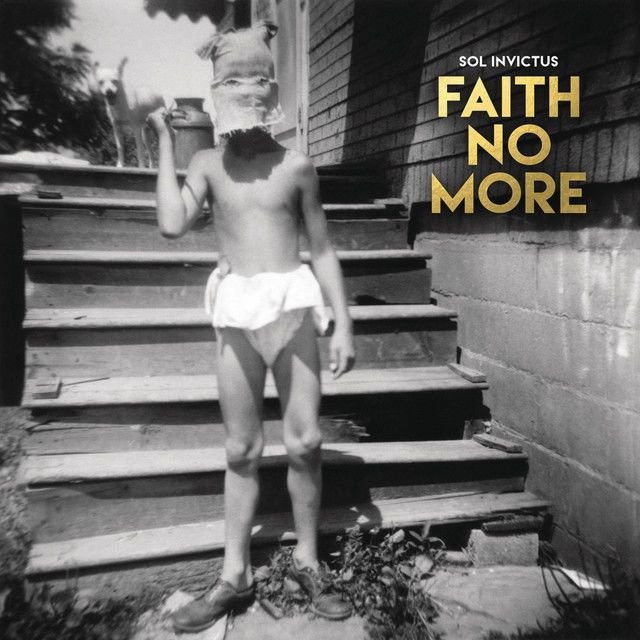
Faith No More returned in 2015 with “Superhero,” the lead single from Sol Invictus. The song arrived after a long gap between studio albums, and it did not sound nostalgic. Instead, it sounded sharp, mocking, and uneasy. That matters when asking about the meaning of Superhero Faith No More: this is not a celebration of greatness. It is a suspicious look at people who are treated like saviors.
"Superhero" - Faith No More
Superhero
I'm tugging on your cape
Loading lyrics...
Unable to load lyrics
We're unable to display the lyrics at this time. Please try again later.
The cape is not a compliment
At the center of the song is a figure called Superhero
. But the lyrics quickly undercut that title. Rather than praising strength, the song seems to question what happens when a public figure, father, or leader starts to believe their own myth.
The line I’m tugging on your cape
suggests challenge, not worship. Someone is pulling at the costume, trying to expose the person underneath. Then the song turns personal by asking whether the hero’s children will really know him. That makes the track feel less like comic-book fantasy and more like a portrait of power damaging real human bonds.
Interpretation: the song appears to attack hero worship itself. It asks what kind of man stands behind the symbol, and whether leadership can become performance.
Watch the official Superhero
music video
“Leader of men” as accusation
The repeated phrase Leader of men
is the song’s most important hook. Faith No More repeat it so often that it starts to sound empty, almost like a slogan shouted until it loses meaning.
That repetition is key to the meaning of Superhero Faith No More. A title that should sound noble becomes mechanical. Instead of proving authority, the chant feels like pressure, branding, or propaganda.
There is also a second move in the lyrics: the command to get back in your cage
. That line flips the image of a strong ruler into something trapped, controlled, even animalistic. The song does not present leadership as freedom. It presents it as a role that can deform a person.
A voice that challenges from below
The narrator does not sound neutral. They sound confrontational, maybe disgusted. The lyrics speak directly to the supposed hero, almost like they are heckling him from the crowd or calling him out in private.
Because of that, the song’s point of view feels unstable in a useful way. It is partly personal, partly social. The target could be one man, but also a whole culture that keeps making idols.
Strange images, same warning
Some of the song’s most memorable lines are fragmented and surreal. They jump from capes and chest symbols to animals, priests, and glass. Faith No More often write this way, especially with Mike Patton’s lyrics, where image and mood can matter more than a neat story.
Still, the images connect. The reference to The S on your chest
invokes a Superman-style emblem, but the point is not simple heroism. It suggests identity reduced to a logo. The person becomes a brand.
Then the song gets harsher. It compares influence to an addictive force and presents masculine power as swollen, artificial, and dangerous. Even the religious image of killing a priest points toward the destruction of old moral authority so a new false idol can rise.
Interpretation: these images suggest that modern power is theatrical. It mixes sex, religion, politics, and celebrity into one unstable performance.
The chorus turns resurrection into erasure
Midway through, the song opens up with its one big, dramatic release:
Ain’t no gravegoing to hold this body down
The sun rises here to save us now
On the surface, this sounds triumphant, almost spiritual. It echoes gospel language and the promise of rebirth. But in context, the feeling is less comforting. Right after this uplift, the song talks about storybook years and sweet memories being washed away.
That shift matters. The rise of the “hero” may not be salvation at all. It may be a reset that erases the past. In other words, a new savior arrives by clearing away memory, nuance, and history.
This is one of the strongest clues to the meaning of Superhero Faith No More. The song shows how easily redemption language can be used to justify control.
Why the music sounds so aggressive
The arrangement helps sell that idea. “Superhero” is built like a hard-rock march: thick guitars, pounding drums, and a stop-start groove that feels both muscular and tense. The band’s official album page places the track within Sol Invictus, a record that leaned into dark textures and disciplined heaviness.
Mike Bordin’s drumming gives the song its push, while Bill Gould’s bass locks the track into a heavy, almost stomping pulse. The guitars do not soar in a heroic way for long. They grind. Patton’s vocals shift from barked command to chant, making the supposed anthem feel poisoned from the inside.
That is why the song works so well. It sounds like an entrance theme for a champion, but the details make that entrance feel threatening.
Two plausible readings
Reading one: a takedown of political strongmen
One strong interpretation is that the song mocks authoritarian charisma. The repeated titles, the crowd energy, and the false salvation imagery all fit a leader who is sold as larger than life.
Reading two: a portrait of failed fatherhood
Another reading is more intimate. The early question about whether the hero’s sons will know their father makes the song about family neglect. In that version, “superhero” means a man admired in public but absent at home.
Both readings can exist at once. Faith No More leave the target broad enough that the song can hit public and private forms of masculine power.
What “Superhero” finally says
In the end, the meaning of Superhero Faith No More seems rooted in distrust. The song looks at icons, leaders, and masculine myths, then asks what damage hides beneath the costume. Its power comes from that tension: it sounds huge, but it does not believe in greatness.
That is why “Superhero” still lands. It understands how badly people want someone to save them, and how dangerous that wish can become.
Disclaimer: This interpretation is based on the lyrics, performance, and available context. As with many Faith No More songs, ambiguity is part of the design, so other readings are possible.








