Why 'I'm Not a Vampire' Still Bites
The meaning of I'm Not A Vampire Falling in Reverse comes down to one big idea: they turn addiction into monster imagery so listeners can feel how scary, shameful, and isolating it is. The song is not really about vampires or zombies. It is about a person who knows they are falling apart and can hear themselves doing it in real time.
"I'm Not A Vampire" - Falling in Reverse
But I feel like one
Sometimes I sleep all day
Loading lyrics...
Unable to load lyrics
We're unable to display the lyrics at this time. Please try again later.
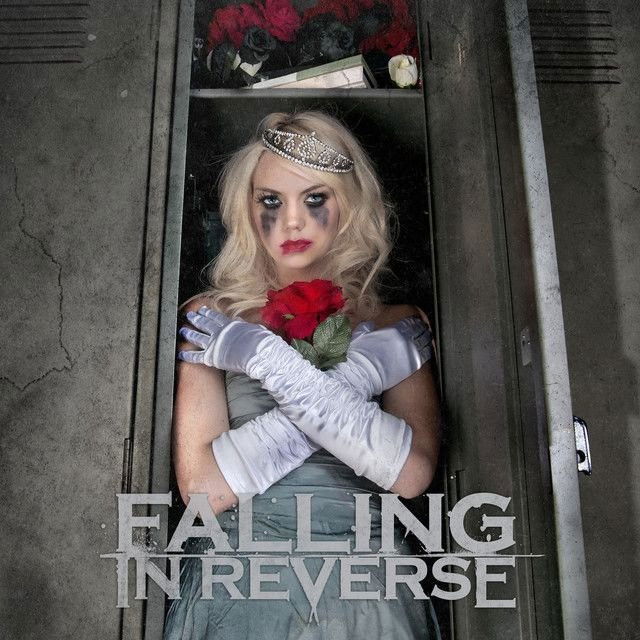
Released as a single from The Drug in Me Is You, Falling in Reverse's 2011 debut, the song was written by Ronnie Radke with Michael Baskette and David Holdredge. Research sources also note that Radke wrote the material for the album while incarcerated, before the band's debut fully took shape. That history matters because the song feels like a confession made under pressure, not a casual horror fantasy.
The Monster Is a Metaphor, Not the Point
From the start, the narrator compares himself to something undead, but the point is not supernatural lore. When they say not a vampire
yet feel like one, they describe a life built around darkness, sickness, and damage. Avoiding daylight, shaking, aching, and needing the night all read as signs of addiction and emotional collapse.
The same goes for the later zombie image. The line about a chemical daze
shifts the song from gothic costume to blunt reality. The body is numbed, the mind is foggy, and daily life feels half-dead. In plain terms, the song says addiction can make a person feel monstrous without turning them into one.
Watch the official I'm Not A Vampire
music video
A Confession Hiding Inside a Hook
One reason the song connected so widely is that it sounds huge and catchy while saying something ugly and vulnerable. The chorus centers on the repeated claim I'm insane
, but it is less about a diagnosis than a cry of panic. The narrator feels their own body betraying them and cannot understand when they became so emotionally frozen.
That is why the self-control question hits so hard. The song keeps moving from symptom to soul. First there is shaking, vomiting, and blurred vision. Then there is the deeper fear that the self has gone missing.
Where is my self control?
My heart has lost all hope
Those short lines sum up the larger emotional arc. The speaker is not only sick; they are terrified that hope and home no longer exist inside them.
Ronnie Radke's Context Shapes the Reading
Factual context sharpens the interpretation. According to Songfacts and the song's release history, Radke wrote the song while in prison, and he later said the song was about drug addiction. Songfacts quotes him describing it as being about an alcoholic and drug addict
, while later coverage of the 2021 reworked version says he wrote the original in prison about addiction.
That does not mean every line should be read as strict autobiography. Still, it clearly invites listeners to hear the song as personal. Even the introduction Hi, my name is Ronnie
breaks the theatrical mask for a second. It sounds like a recovery-room admission, but the line is also delivered with dark humor, which keeps the song from becoming flat or preachy.
The Lyrics Mix Bragging, Shame, and Self-Disgust
One of the song's smartest moves is its unstable tone. At times, the narrator sounds cocky and dangerous. At other moments, they sound physically wrecked and spiritually empty. That swing matters because addiction often comes with performance: charm on the outside, collapse underneath.
The references to seduction, whiskey, and chaos suggest someone who can still command attention. But the body details tell a different story. Nausea, spinning vision, and weakness strip away the glamorous image. Interpretation: the song may be mocking the romantic idea of the self-destructive rock star by showing how gross and hopeless that life really feels from the inside.
Why the Music Feels So Addictive Too
The production helps sell that conflict. The 2011 recording, produced by Michael Baskette, drives forward with heavy guitars, hard-hitting drums, and a polished hook. Reviews and credits tied to the single highlight the mix of aggressive riffing and soaring melody, and that blend is a big reason the song lands.
Musically, it behaves like temptation. The verses feel twitchy and fast, almost restless. Then the chorus opens up into something anthemic, which gives listeners emotional release even as the words describe damage. That contrast mirrors addiction itself: immediate rush, deeper cost.
The Video Adds Satire to the Pain
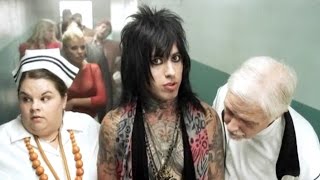
The original video leaned into parody, spoofing celebrity rehab culture. Radke described it in interview coverage as a comedy-heavy take on rehab imagery. That choice is important because it stops the song from feeling one-note.
Instead of presenting suffering with total seriousness, the band mixes pain with sarcasm and spectacle. Interpretation: that humor may act like a defense mechanism. They can laugh at the circus around addiction while still admitting the damage is real.
Why the Song Still Connects
The meaning of I'm Not A Vampire Falling in Reverse still resonates because the metaphor is easy to grasp and the feelings are not dated. Many listeners know what it means to feel unlike themselves, disgusted with their habits, or trapped in a cycle they cannot control.
The song gives those feelings a dramatic shape. It says addiction can feel like living in the dark, feeding the wrong cravings, and watching your own humanity slip away. That is why the chorus stays memorable: it turns private shame into a loud, communal sing-along.
In the end, "I'm Not a Vampire" works because it is catchy enough to pull people in and honest enough to stay with them. This interpretation is based on the lyrics, artist comments, and release context, but like any song reading, some meaning remains open to the listener.








