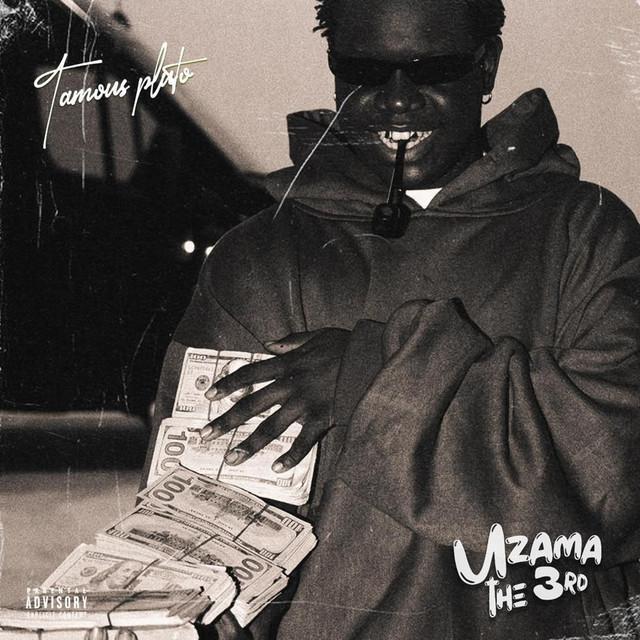
Why 'Osusu' Feels Like a Street Alarm
The meaning of Osusu Famous Pluto, Jeriq starts with one simple idea: shared money has gone missing, and trust has collapsed. From there, the song becomes a loud, tense warning about betrayal, reputation, and what happens when community rules are broken.
"Osusu" - Famous Pluto, Jeriq
Ogbe
P P P P P!
Loading lyrics...
Unable to load lyrics
We're unable to display the lyrics at this time. Please try again later.
“Osusu” is built around a familiar social structure. In many West African communities, osusu refers to a rotating savings or contribution system, where people pool money and take turns receiving it. That is why the repeated complaint that it was “osusu money”
matters so much. This is not just personal cash. It is money tied to other people’s needs, plans, and faith in one another.
The Real Conflict at the Center
At its core, the song tells a story of someone allegedly running off with group funds. The hook keeps returning to a public fallout, summed up in the phrase “casala burst”
. In Nigerian Pidgin, that signals chaos breaking out. The song treats the theft not as a quiet disagreement, but as a social explosion.
That is the key to the meaning of Osusu Famous Pluto, Jeriq. The outrage is bigger than greed. It is about betrayal inside a system that only works if everybody keeps their word.
Interpretation: The song can be heard as a warning to anyone who benefits from community trust and then abuses it. The language is extreme, but the emotional logic is clear: when group survival depends on pooled money, theft feels like an attack on everyone.
Why the Threats Sound So Harsh
The lyrics are full of violent promises, and they should be understood carefully. They create the mood of a street chase, not a calm legal dispute. When the narrator says “if the nigga run”
and mentions catching him in “traffic for Lagos”
, the song turns anger into action-movie urgency.
Rather than reading those lines as policy or advice, it makes more sense to see them as dramatic storytelling. The speakers want listeners to feel heat, shame, and pressure. They frame the suspect as someone whose choices have created public danger and disorder.
This also fits the song’s rough, direct style. There is almost no emotional distance between the event and the reaction. Everything sounds immediate, as if the news has just landed and people are already mobilizing.
Famous Pluto and Jeriq Play Different Roles
Famous Pluto handles the central complaint with blunt repetition. Their delivery keeps bringing the listener back to the missing money and the sense of insult. The repeated structure mirrors obsession: when trust is broken, people replay the offense over and over.
Jeriq’s verse widens the frame. He leans into threat, movement, and status language, making the song feel even more cinematic. His section suggests that money conflicts are never only about money. They are also about face, street credibility, and power.
Interpretation: Together, they create two layers of meaning. Famous Pluto sounds like the voice of injured community anger. Jeriq sounds like the enforcer energy that appears once talk is no longer enough.
The Hook Turns a Private Theft Public
One reason the song sticks is its hook. It repeats the main charge so often that the accusation becomes bigger than a single incident. The listener is not just hearing a complaint. They are hearing a public naming of the offense.
That matters because osusu systems depend on reputation. If one person carries the money and disappears, the loss is financial, but it is also social. Future trust becomes harder. The song reflects that by making the chorus feel like an alarm siren rather than a diary entry.
“Casala burst”
“Wahala”
“traffic for Lagos”
Those brief phrases work like scene markers. They move the song from accusation to public chaos, then into pursuit. Even without a detailed plot, listeners understand the stakes.
How the Sound Supports the Meaning
The production style is central to the song’s impact, even without formal production credits available here. The beat feels sparse, punchy, and built for command-style delivery. That leaves room for the voices to sound urgent and confrontational.
The repeated ad-libs and callouts give the track a crowd-energy effect. Instead of sounding reflective, the song feels like a group reacting in real time. That supports the theme of communal loss. Since the money belongs to more than one person, the record should sound bigger than one person too.
The rhythm also helps. It pushes forward without much softness, which mirrors the chase-and-response mood in the lyrics. There is very little relief in the vocal tone, and that lack of calm becomes part of the message.
A Song About Money, But Also Morality
The strongest reading of “Osusu” is not that it celebrates revenge. It is that it dramatizes what happens when shared responsibility fails. A person taking pooled funds is framed as breaking a code, not just breaking a deal.
That is why the song feels so angry. In many communities, informal saving systems exist because people need practical ways to support one another. If somebody betrays that structure, they damage more than a wallet. They damage survival, planning, and trust.
So the meaning of Osusu Famous Pluto, Jeriq is really about social betrayal under pressure. The violence in the lyrics raises the stakes, but the emotional center is simpler: people can forgive many things, yet stealing what belongs to the group is treated as a deep moral offense.
Final Take on 'Osusu'
“Osusu” works because it turns a money dispute into a loud moral drama. Famous Pluto and Jeriq present missing group funds as the spark for chaos, humiliation, and relentless pursuit. The song’s repetition, sharp phrasing, and aggressive mood all point back to one theme: shared trust is precious, and once it is broken, everything gets louder.
Disclaimer: This article offers interpretation based on the lyrics provided and publicly known context. Song meanings can vary from listener to listener.







