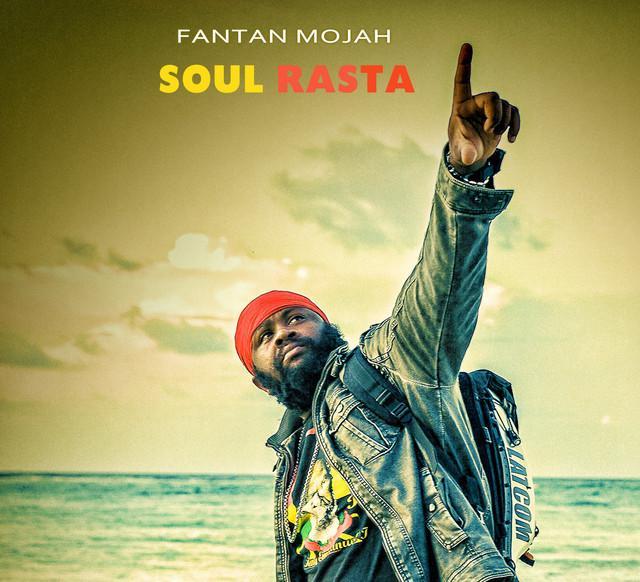
Why "Rasta Got Soul" Is a Reggae Manifesto
The meaning of Rasta Got Soul Fantan Mojah starts with a simple idea: reggae is more than a genre. In this song, they present it as spirit, history, identity, and duty all at once. The track is not just praising good music. It is defending a culture and reminding listeners that reggae carries roots deeper than the charts.
"Rasta Got Soul" - Fantan Mojah
Jamaican choose it European, American, and the Caribbean(Woyo) (Wooo...)
Rasta got soul, reggae music rocking my bone (rocking my bone) my bone (rocking my
Loading lyrics...
Unable to load lyrics
We're unable to display the lyrics at this time. Please try again later.
Fantan Mojah is a Jamaican reggae artist known for spiritually focused music shaped by Rastafari themes, as noted in artist biographies and discographies from sources like AllMusic and Discogs. That background matters here, because the song speaks from inside the tradition, not from the outside looking in.
The Heart of the Message
At its core, the song says reggae lives in the body and soul. When they repeat Rasta got soul
and reggae music inna mi bone
, they are not only saying they enjoy the sound. They are saying it is part of who they are.
That turns the chorus into a statement of belonging. Reggae is shown as something inherited, felt, and carried forward. The line about it never getting old
pushes the point further. For them, true roots music stays alive because its message still matters.
Interpretation: The song treats soul as both musical feeling and spiritual depth. In that reading, “soul” means emotional truth, but also a moral center tied to Rastafari identity.

Watch the official Rasta Got Soul
music video
A Defense of Reggae’s Roots
The verses move from celebration to warning. Fantan Mojah argues that some people profit from reggae without understanding what made it meaningful in the first place. They criticize those who, in effect, want the harvest without planting the field.
That complaint is central to the song’s meaning. The issue is not change itself. Reggae has always evolved. The issue is shallow use of the culture by people who do not respect the elders, the message, or the struggle behind the music.
When they stress respect for the elder dem
, they frame reggae as a tradition that must be learned. Knowledge matters. History matters. The song suggests that without those things, success in reggae can become empty performance.
A Roll Call That Builds a Lineage
One of the song’s strongest sections is the long list of artists it salutes. Fantan Mojah names major reggae figures from different eras, including Bob Marley, Peter Tosh, Bunny Wailer, Jacob Miller, Dennis Brown, Gregory Isaacs, and others. This is more than name-dropping.
It creates a musical family tree. The song places itself inside a lineage of roots reggae, dancehall, and modern Jamaican music. It honors the dead, praises the living, and shows that the culture survives through memory and continuity.
That roll call also gives the track a communal voice. Even though the lyrics often sound personal, the message is collective. By the end, the idea becomes less “I have soul” and more “we got soul.”
Reggae Without Borders
Another key part of the meaning of Rasta Got Soul Fantan Mojah is its global view. The lyrics mention places beyond Jamaica, including Italy and Germany, to show how reggae travels. Early in the song, they also call out listeners across Europe, America, and the Caribbean.
This matters because Fantan Mojah makes two points at once:
- reggae belongs to Jamaica and Rastafari culture
- reggae also speaks to people around the world
That balance is important. The song does not reject reggae’s international reach. In fact, it celebrates it. But it insists that global success should not erase the music’s roots.
When they say reggae has no complexion
, the song rejects narrow ideas about race or national ownership in listening. Anyone can feel the power of the music. Still, the deeper message is that people should meet reggae with respect, not consumption alone.
How the Sound Supports the Meaning
Even without breaking down every production credit, the music itself helps carry the message. The track uses a classic reggae pulse: steady drum-and-bass grounding, a warm groove, and a chant-like chorus built for repetition. That structure makes the song feel communal, almost ceremonial.
The repeated hook acts like a rally cry. It is easy to sing, but it also sounds firm and rooted. Fantan Mojah’s vocal style adds urgency. They often sing with a lifted, slightly rough intensity that fits roots reggae’s mix of devotion and protest.
Interpretation: The production choice to keep the groove steady rather than flashy mirrors the song’s argument. Reggae does not need gimmicks here. Its power comes from rhythm, memory, and conviction.
The Song’s Tension: Praise and Protection
What makes the track interesting is its double purpose. On one side, it is joyful. It praises reggae as healing, moving, and timeless. On the other, it is protective. It warns against misunderstanding and misuse.
That tension gives the song real force. If it were only a tribute, it might feel nostalgic. If it were only a critique, it might feel bitter. Instead, Fantan Mojah balances both. They celebrate reggae because they believe it is worth defending.
Rasta got soul
We got soul
Those brief lines sum up the song’s movement from individual identity to shared purpose.
Why the Song Still Connects
For U.S. listeners especially, the track can work on two levels. First, it is a welcoming entry into roots-minded reggae values: respect, legacy, and spiritual seriousness. Second, it is a reminder that any beloved genre can lose its meaning when business overtakes culture.
That is why the meaning of Rasta Got Soul Fantan Mojah still feels clear. It is about love for reggae, but also stewardship. Fantan Mojah argues that the music should grow, travel, and reach new people, yet never forget where it came from.
Final Take
In the end, “Rasta Got Soul” is a declaration that reggae is both feeling and responsibility. It honors legends, calls out opportunism, and celebrates a sound that lives across borders while staying rooted in Jamaica and Rastafari tradition.
This interpretation is based on the lyrics, performance, and known artist context. As with any song, listeners may hear meanings that go beyond this reading.







