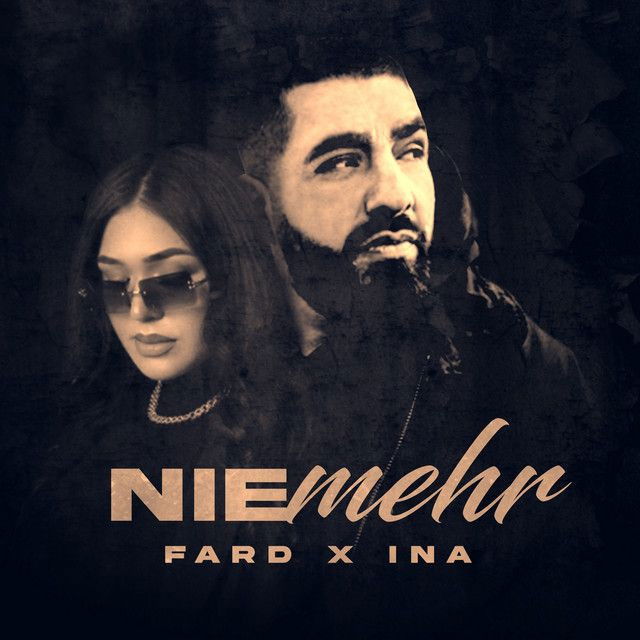
Why “NIE MEHR” Hits Like a Final Goodbye
The meaning of NIE MEHR Fard, Ina centers on a breakup that has passed the point of repair. Rather than telling a simple heartbreak story, the song stages a damaged conversation between two people who no longer trust each other. One voice feels lied to and emotionally neglected. The other pushes back, arguing the split was not one-sided. Together, they turn a familiar breakup song into a tense exchange about blame, hurt, and the moment love becomes impossible to recover.
"NIE MEHR" - Fard, Ina
Nie, nie, nie mehr
Mein Herz so leer
Loading lyrics...
Unable to load lyrics
We're unable to display the lyrics at this time. Please try again later.
The track is credited to Dominik Rolke, Farhad Nazarinejad, Florian Heitmann, and Ina, based on the songwriting information provided. That matters because the song feels built for contrast: not just male versus female vocals, but memory versus reality.
A breakup song about the point of no return
At its core, “NIE MEHR” means “never again,” and that phrase drives the whole emotional structure. The chorus does not ask whether the relationship can be saved. It answers that question with force. When the song repeats Nie mehr
, it turns heartbreak into a boundary.
The first verse presents a partner waiting late at night, seeing a message come in at midnight and sensing dishonesty. The emotional injury is not only cheating or suspicion. It is the deeper feeling of being made foolish, ignored, and left to carry the emotional cost alone. That is why the line about a Herz so leer
lands so hard. The emptiness is not sudden. It sounds worn down over time.
Interpretation: The song is less about one shocking betrayal than about repeated small betrayals that finally break trust.

Watch the official NIE MEHR
music video
Two sides of the same collapse
One of the most interesting things about the meaning of NIE MEHR Fard, Ina is that both voices get space. Ina’s side sounds resolved but wounded. She draws a line and refuses to return. Fard’s verse complicates that story by arguing that conflict grew from both sides, not just his actions.
He describes the relationship as something that could have been talked through, while also sounding defensive. He suggests a small fight turned love into hate and accuses the other person of wanting something newer and more secure. That response does not erase the pain in the opening verse. Instead, it shows how breakups often become battles over whose version counts.
This dual perspective gives the song emotional realism. Many breakup tracks choose one hero and one villain. “NIE MEHR” does not fully do that. Even when one side seems more sympathetic, the back-and-forth makes the damage feel mutual.
The key emotional shift
The strongest turn comes when the song moves from accusation to self-protection. A phrase like Stop callin'
is not just anger. It is a refusal to reopen a wound. Later, the desire for keinen Krieg mehr
shows they no longer want to keep fighting for the relationship or about it.
That is important because it reframes the song. This is not a plea for reconciliation. It is a song about choosing peace after emotional chaos.
How the chorus turns pain into closure
The chorus is simple, but that simplicity is the point. It lists what will not happen again: things will not return to how they were, hands will not meet the same way, and faith in this love is gone. These are plain ideas, but they hit because they strip romance down to absence.
Nie mehrGlaub' ich an die LiebeMein Herz so leer
Those brief lines condense the whole song: finality, broken belief, and emotional numbness. The hook works because it is both personal and universal. Even listeners who do not know the details can recognize that moment when someone stops hoping.
Interpretation: The chorus is not dramatic in a theatrical way. It sounds emotionally exhausted, which makes the finality more convincing.
The sound supports the message
Even without official production credits in the provided context, the musical design can still be discussed carefully. The track appears built around modern pop-rap framing: rhythmic verses, a melodic chorus, and a polished emotional atmosphere. That blend fits the duet structure well.
Ina’s delivery carries the cleaner emotional wound. Fard’s section brings more grounded speech rhythms, which makes his perspective sound like an argument in progress. The contrast helps listeners hear not just two singers, but two emotional strategies. One voice cuts ties. The other still tries to explain.
The likely value of the production lies in restraint. A song like this works best when the beat leaves room for the chorus to breathe. That space mirrors the lyrical emptiness. The repeated hook then acts almost like a thought loop, as if both people are stuck replaying the same ending.
Motifs: night messages, empty heart, mirror
A few recurring images carry the song’s meaning.
- Midnight messages: These suggest secrecy, anxiety, and waiting.
- Empty heart: This image turns heartbreak into emotional depletion, not just sadness.
- Hands: Lost touch becomes a symbol of lost trust.
- Mirror: Looking at oneself after the breakup suggests identity damage, not just romantic loss.
The mirror image is especially sharp. When the singer asks what the relationship has turned them into, the song expands beyond romance. The breakup has affected self-worth.
So what is “NIE MEHR” really saying?
The best reading is that “NIE MEHR” is about the moment when love no longer feels safe. Trust has eroded, each person has their own defense, and closure only comes by refusing to go back. That is the real power behind the meaning of NIE MEHR Fard, Ina: it captures the cold clarity that arrives after too many chances.
For listeners in the United States who may be meeting these artists through this song, its emotional logic still travels easily. The language may be German, but the feeling is universal: when being hurt repeatedly turns longing into resolve.
Disclaimer: This interpretation is based on the lyrics provided and publicly available song-credit context. As with any song, meaning can remain open to different listener readings.








