Why 'House of Pain' Still Hurts
The meaning of House of Pain Faster Pussycat comes down to one deep wound: the ache of growing up without a father who showed up. Beneath the band's glam-metal image, this 1989 single is a raw power ballad about childhood abandonment, confused loyalty, and the hard lesson of learning to survive alone.
"House Of Pain" - Faster Pussycat
I'm still out on the porch step sitting on my behind,
Waiting for you.
Loading lyrics...
Unable to load lyrics
We're unable to display the lyrics at this time. Please try again later.
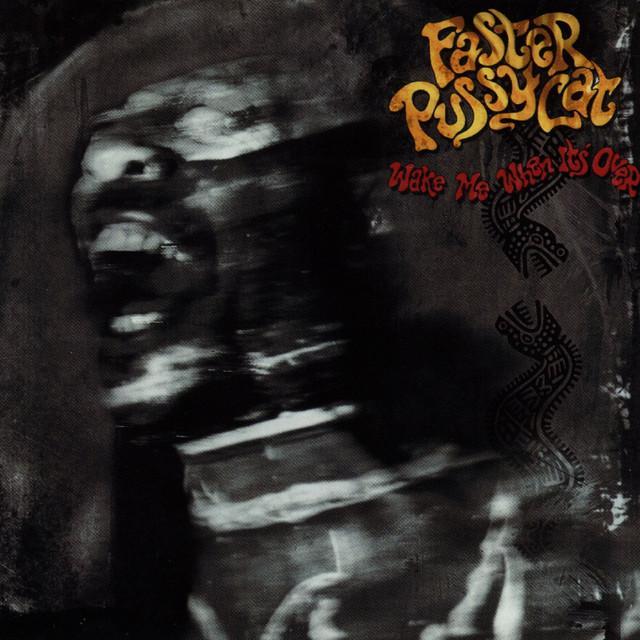
Released on Wake Me When It's Over, the song became Faster Pussycat's biggest crossover hit, reaching No. 28 on the Billboard Hot 100 and No. 23 on Mainstream Rock. It was written by Taime Downe and Greg Steele, and produced by John Jansen. Those facts are widely documented in reference sources and song histories.
A Ballad About Waiting for Someone Who Never Comes
At its core, the song tells a simple but painful story. A little boy sits outside and waits for his father. His mother tells him to stop wasting time, but he still believes his dad will come. That detail matters because it shows hope before disappointment hardens into grief.
The early lines paint a child who cannot yet explain his feelings, only repeat them. When the singer asks Where were you?
and Where'd you go?
, the song frames absence as a mystery that never got answered. It is not just about anger. It is also about confusion.
Interpretation: the child keeps waiting because children often protect the parent who hurt them. They would rather believe a promise is late than admit it was empty from the start.
Watch the official House Of Pain
music video
How the Song Grows Up Without Healing
One of the strongest things in the lyrics is the time jump. The song moves from age five to age eighteen, and the pain is still there. That jump tells listeners the father did not simply miss one moment. He shaped the son's whole emotional life by not being present.
The line about still talking to myself
suggests isolation. It sounds like a child creating company because no adult answer ever arrived. By eighteen, that habit becomes a symbol of damage that lasted into young adulthood.
The question Wasn't I worth the time?
gives the song its emotional center. Abandonment often turns into self-blame, especially for children. Instead of only accusing the father, the singer wonders if he himself was not enough. That is what makes the lyric feel so human.
The Chorus Turns a Home Into an Emotional Prison
The chorus contains the song's key image: house of pain
. Before that phrase, the verses show ordinary domestic scenes—a porch, a mother, a bedroom. Then the chorus changes the meaning of home itself.
The house is not just a building. It becomes the place where neglect lives. When the singer says there's no one home
, the idea works two ways. Literally, the father is absent. Emotionally, the house is empty of safety, guidance, and love.
I didn't write these pages
And my script's been rearranged.
That brief passage is crucial. It suggests a life story the singer did not choose. He feels trapped in a role written by somebody else's failure. Interpretation: the song is saying trauma can feel like inheritance, as if a child is handed a broken script and forced to perform it.
Why the Sound Makes the Story Hit Harder
"House of Pain" is usually described as a glam-metal power ballad, but its arrangement is more intimate than that label may suggest. The song opens with a softer, reflective mood, then grows into a larger rock chorus. That slow expansion mirrors bottled-up hurt turning into a full confession.
Greg Steele's piano credit is especially important in how the song lands. Piano gives the opening a plainspoken sadness, while the guitars add weight rather than swagger. Instead of sounding rebellious first, the track sounds wounded first.
Taime Downe's vocal also matters. They hear a rough-edged singer trying not to collapse under the words. That tension keeps the song from becoming sentimental. It still has glam-metal polish, but the emotion feels lived in.
The Real-Life Context Behind the Lyrics
Background on the song often notes that it was inspired by Taime Downe's absentee father. Song histories have also reported that Downe's father was a musician who introduced him to rock music, which adds another layer to the song: the missing parent is not a faceless villain, but somebody tied to the singer's identity.
That context helps explain why the lyrics mix blame with longing. The song never sounds fully detached. It sounds like somebody still wanting an answer from the person who caused the damage.
That honesty may also explain why the track connected beyond the hair-metal crowd. Faster Pussycat were part of the late-1980s Los Angeles scene, but this single reached listeners who may not have followed the band otherwise. Its Michael Bay-directed video, which emphasized family rupture, helped push the song into heavy MTV rotation.
Why the Song Lasted Beyond Its Era
A lot of late-1980s power ballads were about romance. This one is not. That alone makes it stand out. The song takes the big, dramatic shape of a radio ballad and fills it with family trauma instead of love-gone-wrong.
That is why the meaning of House of Pain Faster Pussycat still lands today. It speaks to anyone who has had to raise themselves emotionally. The closing idea—learning to live alone—is not triumphant in a clean Hollywood way. It feels more like survival than victory.
Final Take
"House of Pain" is about what happens when a child waits too long for a parent to become real. Its lyrics track the move from hope to hurt to self-reliance, while the music turns that private ache into a huge, singable confession.
That is why the song remains one of Faster Pussycat's most memorable tracks: it sounds like a power ballad, but it cuts like a personal reckoning.
Disclaimer: This article offers an informed interpretation based on the song's lyrics, documented background, and recorded performance. As with most songs, listeners may hear meanings that differ from the one presented here.







